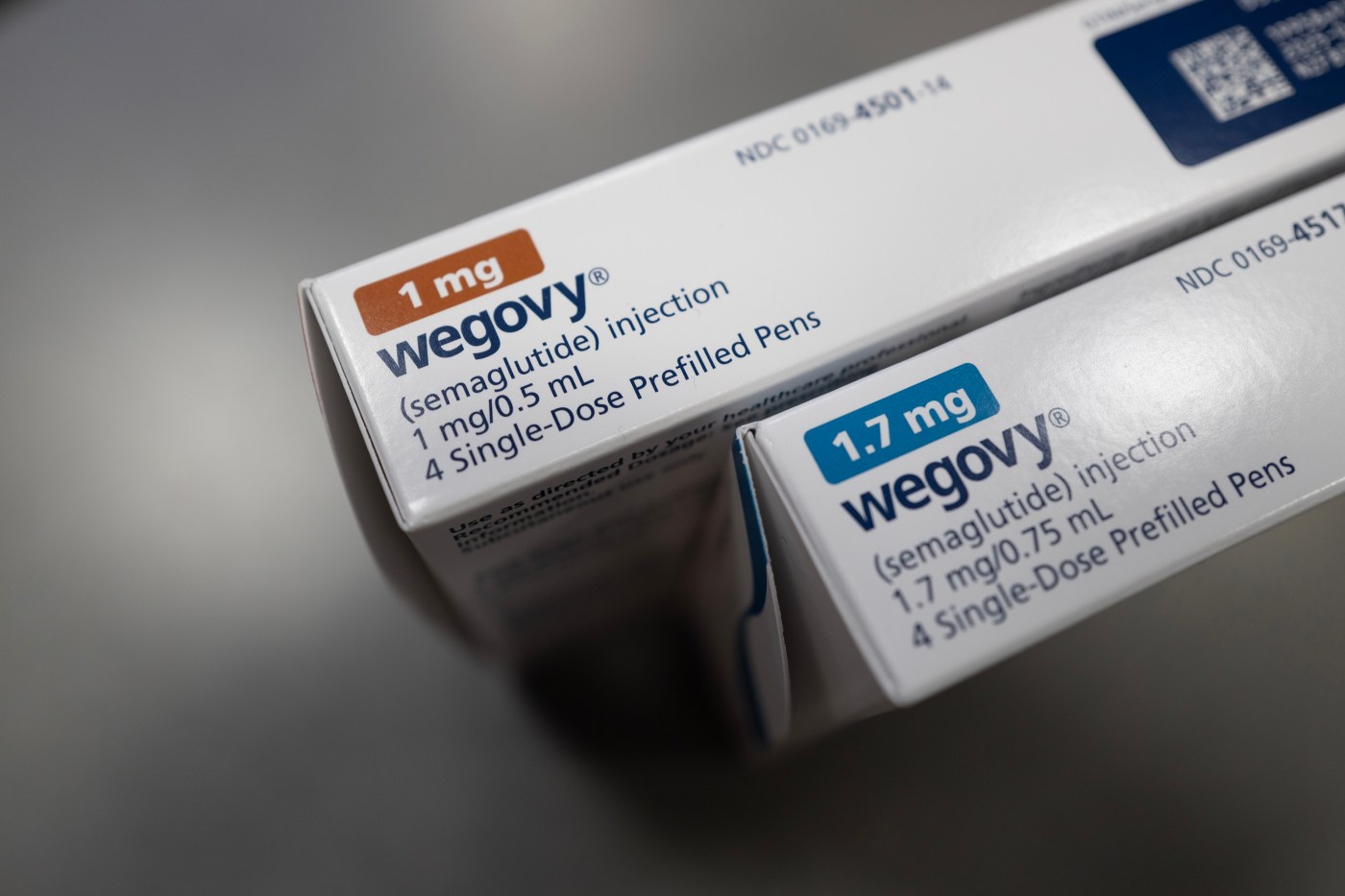
Telehealth company Hims & Hers created significant disruption in the obesity drug market last week by launching a low-cost, compounded version of Wegovy, developed by Novo Nordisk. This bold move ended abruptly when the U.S. Food and Drug Administration (FDA) announced plans to take decisive action against the firm’s product, leading to its withdrawal just two days post-launch.
The introduction of Hims & Hers’ knockoff came during a time when demand for GLP-1 drugs surged, resulting in shortages of approved medications like Wegovy and Zepbound. These shortages opened a door for compounded versions to flood the market, as regulatory authorities permitted such products during times of scarcity. However, this situation has since evolved, with both Wegovy and Zepbound now readily available following increased production.
Despite the FDA granting telehealth companies a grace period to cease sales of compounded drugs, the gray market persists. The critical distinction between compounded drugs and generic medications is essential for consumers. Unlike generics, which receive FDA regulation and approval, compounded drugs lack this oversight, raising questions about their safety and effectiveness.
The active ingredient in Wegovy, semaglutide, presents unique challenges in oral formulation. As a peptide, semaglutide is sensitive to degradation in the gastrointestinal tract, complicating its delivery in pill form. Novo Nordisk has implemented technology to protect the drug’s integrity, requiring patients to take Wegovy on an empty stomach and wait 30 minutes before eating. The launch of Hims & Hers’ cheaper version raised concerns about its efficacy compared to the FDA-approved product, a matter now rendered moot by the product’s withdrawal.
The GLP-1 market is not limited to oral formulations. A wide array of compounded injectable drugs is still available, often marketed with claims of added benefits that lack scientific backing. Alternative formulations, such as lozenges, “microdose” pills, and under-the-tongue drops, further complicate the landscape. Notably, there are sites advertising a pill version of tirzepatide, the active ingredient in Eli Lilly’s Zepbound, despite the absence of an approved oral formulation.
Consumer confusion arises not just from the diverse offerings but also from misleading marketing practices. Some companies have inaccurately labeled their compounded drugs as “generics,” and the term is often misused in discussions among experts. This misleading information, coupled with aggressive advertising for inexpensive alternatives to FDA-approved drugs, fuels public interest in these products.
In response to these issues, FDA Commissioner Marty Makary has intensified efforts to regulate the market. He announced a crackdown on companies like Hims & Hers that mislead consumers and stated that the FDA would address deceptive marketing practices surrounding compounded drugs. Although these enforcement actions are a welcome step, the sheer scale of the gray market presents significant challenges for regulatory authorities.
The most effective long-term solution would involve improving access to branded drugs, making them more affordable for those eligible. While competition has begun to reduce prices, inconsistent insurance coverage hampers widespread access. As long as FDA-approved medications remain financially out of reach for many, demand for cheaper, unregulated alternatives will likely persist, even if they pose risks to consumers.
The complex dynamics of the GLP-1 drug market highlight the urgent need for clearer regulations and consumer education. As the FDA ramps up its efforts to regulate this space, the ongoing challenge will be ensuring that patients have access to safe and effective treatment options.