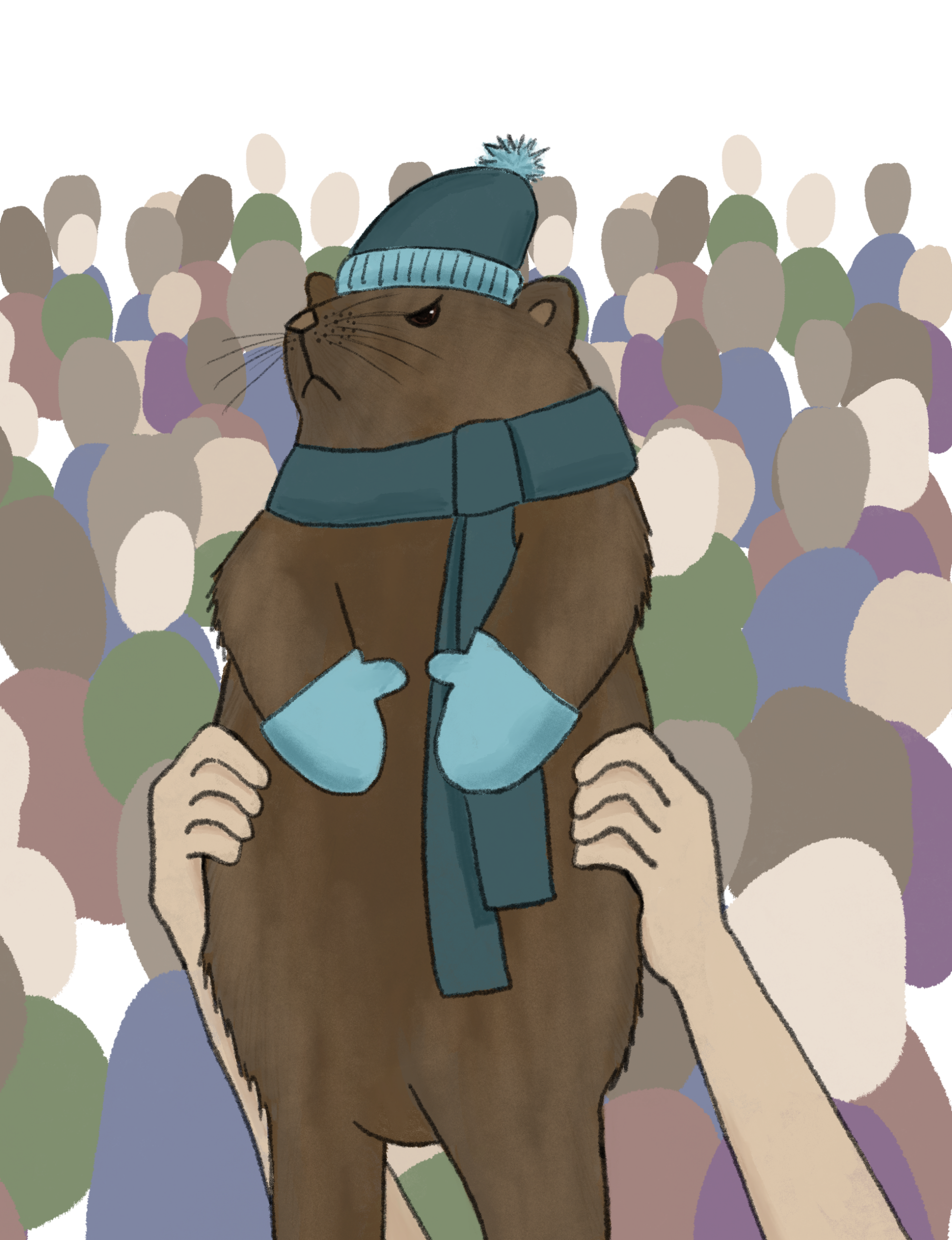
UPDATE: On February 2, 2024, the iconic groundhog, Punxsutawney Phil, has predicted six more weeks of winter, echoing last year’s forecast. This quirky tradition, celebrated across the United States, sparks excitement and curiosity about its origins and cultural significance.
As thousands gathered in Punxsutawney, Pennsylvania, early this morning, the anticipation was palpable. Phil’s prediction is not just about weather; it symbolizes a deeper connection to American cultural heritage.
Experts emphasize that the roots of Groundhog Day trace back to the Pennsylvania Dutch immigrants from Germany in the 18th century. According to Patrick Donmoyer, director of the Pennsylvania German Cultural Heritage Center, the earliest mentions of this tradition date back to the **1830s**. “We all went out to see if we could find the groundhog, and what the groundhog did would predict about the weather,” Donmoyer noted, highlighting its long-standing presence in American folklore.
Originally based on European customs of observing badgers to forecast spring, the Pennsylvania Dutch adapted the tradition to their local environment, leading to the groundhog as the weather oracle. The event transformed over the years into a celebration of cultural identity, particularly during the 1930s when assimilation pressures mounted.
William W Donner, professor at Kutztown University, explained, “Starting 1900, the Pennsylvania Dutch wanted to preserve their language and culture.” This led to Groundhog Day events focusing on Pennsylvania Dutch heritage, including pledges and meals in their native language, creating a vibrant community atmosphere.
Despite its festive nature, the event carries a humorous twist. To this day, Phil is believed to be immortal, with legends claiming he has accurately predicted the weather for **139 years**. The absurdity of the ritual, where Phil supposedly communicates in ‘Groundhogese’ to his handlers, adds a layer of whimsy that resonates with attendees.
Donmoyer adds, “There’s a self-deprecating humor to Pennsylvania culture, making the celebration fun and absurd at the same time.” This irony is particularly evident as the groundhog is also seen as a nuisance by farmers, illustrating a complex relationship with this beloved creature.
Notably, not all Groundhog Day festivities involve live animals. Some Groundhog Lodges utilize taxidermied versions, ensuring that the tradition continues without distressing the animals involved.
Ultimately, Groundhog Day stands as a beacon of joy amid uncertainty. As Donner aptly stated, “These events unite us and serve as a kind of national celebration.” As the frost lingers for another six weeks, Americans will cherish the camaraderie of this unique cultural event, proving that sometimes, the shadows cast by a groundhog can shine a light on community spirit.
Stay tuned for updates as we continue to monitor the reactions and celebrations surrounding this beloved tradition!