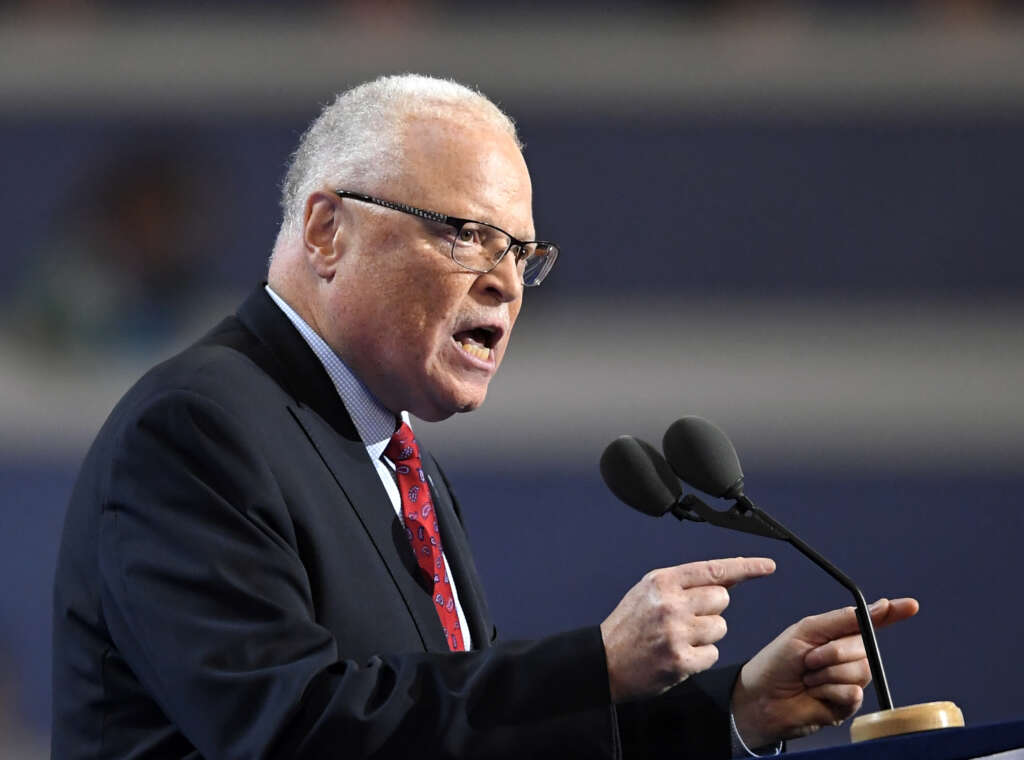
Lee Saunders, the longstanding president of the American Federation of State, County and Municipal Employees (AFSCME), will retire in August 2026 after more than 14 years of leadership. Under his tenure, the union expanded its representation to include not only state and municipal employees but also federal workers from agencies such as the Departments of Justice, Transportation, Agriculture, and Veterans Affairs.
As the union prepares for this transition, it will conduct elections for a new president. Saunders’s departure marks the end of an era, during which he has been a prominent advocate for labor rights and worker protections at the federal level.
Withdrawal of Health Insurance Proposal
In a related development, the Office of Personnel Management (OPM) has withdrawn a proposed rule that aimed to allow new federal hires to access health insurance coverage from their first day of eligibility. This proposal was intended to address the common issue of new employees having to wait several weeks before obtaining coverage through government insurance programs. OPM cited that the withdrawal was necessary as the proposal did not align with “current needs, priorities, and objectives” and lacked widespread support.
Telework Accommodations Clarified by the Trump Administration
The Trump administration has issued new guidance regarding telework accommodations for federal employees with disabilities. The updated rules suggest that requests for telework should primarily be granted only when an employee’s inability to work on-site is directly related to their job. Furthermore, agencies now hold the authority to “revisit and reassess” accommodations that were previously approved. This decision comes after numerous federal employees expressed concerns about being denied reasonable telework requests despite providing medical documentation following a full return-to-office directive last year.
Small Business Administration Acts on Compliance Issues
The Small Business Administration (SBA) has initiated the process to permanently remove 154 small businesses from its 8(a) business development program. These companies received three letters informing them of their immediate suspension, a 30-day notice of proposed termination, and an option to voluntarily withdraw from the program. The SBA stated that these firms failed to meet compliance requirements, which include exceeding statutory net worth limits and adjusted gross income caps.
Potential Government Shutdown Looms
Officials from the Department of Homeland Security (DHS) have raised alarms regarding the potential impacts of an impending government shutdown. Funding for critical components, including the Cybersecurity and Infrastructure Security Agency (CISA), is set to expire at midnight on Friday. In the event of a shutdown, many CISA employees would be required to work without pay, significantly reducing cybersecurity operations. Additionally, approximately 95% of the workforce at the Transportation Security Administration (TSA) would also continue to report for duty without compensation, raising concerns about staff retention during this period.
Veterans Affairs Hiring Improvements Under Scrutiny
The Department of Veterans Affairs (VA) has announced a significant reduction in hiring times for healthcare positions, reportedly cutting them in half since May 2025. This improvement corresponds with a governmentwide strategy implemented by OPM aimed at expediting time-to-hire decisions. However, Democratic member of the House VA Committee, Delia Ramirez, criticized the VA for changing its metrics, claiming that the new statistics represent a misleading portrayal of progress.
OMB Senior Advisor Transitions to Private Sector
In a notable personnel change, Stephen Billy, a senior advisor for the Office of Management and Budget (OMB), has departed to rejoin the private sector. Billy has accepted a position as the director of federal strategy at ZE Government Solutions, a subsidiary of ZeroEyes, where he will focus on expanding the company’s presence in the federal market. During his time at OMB, he managed various portfolios, including financial management and promoting the broader adoption of the “Do Not Pay” list.
As these developments unfold, they highlight key shifts within federal agencies and labor leadership that may impact employees across the United States.