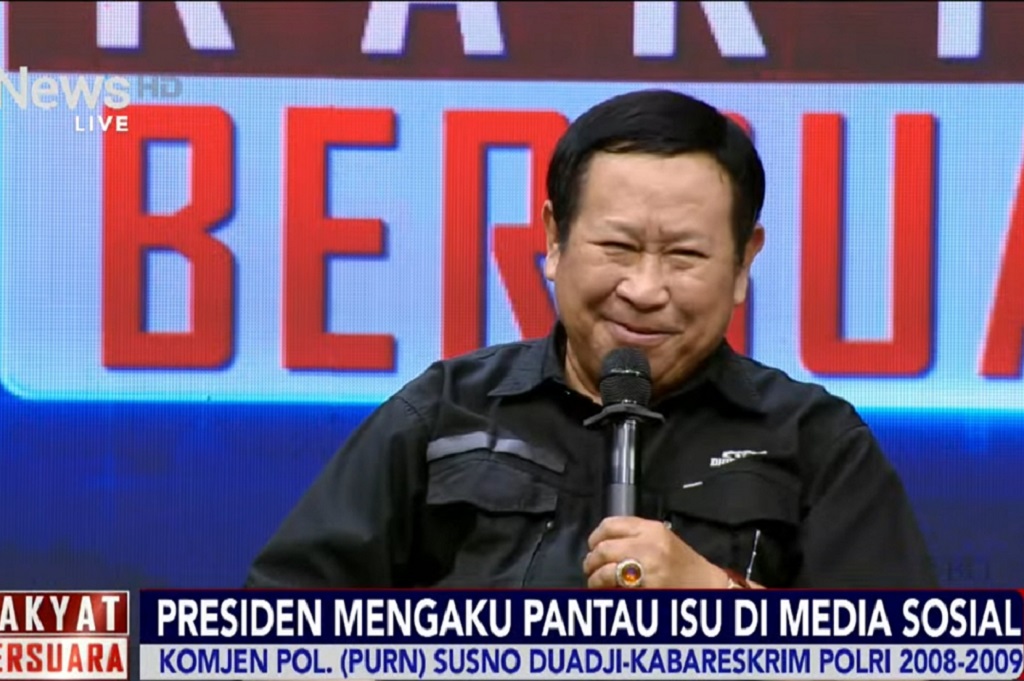
Susno Duadji, a former high-ranking police officer in Indonesia, has publicly claimed that President Prabowo Subianto is aware of individuals involved in corrupt practices within the mining sector. Duadji’s statements highlight serious concerns regarding the integrity of law enforcement and business operations in Indonesia’s resource-rich industries.
This revelation comes at a time when transparency in the mining sector is under scrutiny. Duadji stated that not only does the president know the names of the implicated business owners, but he also recognizes law enforcement officials who have allegedly engaged in corrupt activities. The implications of such claims could have significant repercussions for the administration’s credibility and efforts to combat corruption.
Repercussions in the Mining Sector
Duadji’s allegations suggest a complex network of collusion between business interests and law enforcement agencies. The mining industry in Indonesia has long faced challenges related to corruption, with various stakeholders calling for reform to increase accountability and transparency. If President Prabowo is indeed aware of these allegations, it raises questions about his administration’s commitment to tackling corruption.
The former police officer specifically mentioned instances where law enforcement officials have turned a blind eye to illegal activities in exchange for bribes. This conduct not only undermines the rule of law but also poses risks to the environment and local communities affected by mining operations.
Duadji’s statements may compel lawmakers and civil society groups to demand more vigorous investigations into these claims. As public pressure mounts, the government may need to take decisive action to restore trust and demonstrate its commitment to ethical governance.
Public and Political Reactions
The reaction to Duadji’s claims has been swift. Various political figures and activists have called for greater scrutiny of the president’s actions. They argue that if high-ranking officials are indeed complicit in corrupt practices, it is essential for the government to take immediate steps to address these issues.
In response, President Prabowo’s office has not issued a formal statement regarding the allegations. Observers note that the lack of a vigorous denial may suggest a need for the administration to evaluate its approach to corruption within its ranks.
As the situation unfolds, the potential for reform in Indonesia’s mining sector could hinge on the government’s response to these serious allegations. Addressing the concerns raised by Duadji could provide an opportunity for the administration to reinforce its anti-corruption stance and restore public confidence.
The coming weeks will likely prove critical as stakeholders await the government’s next steps in addressing these claims. The integrity of Indonesia’s mining industry and the broader implications for governance depend on the administration’s commitment to transparency and accountability.