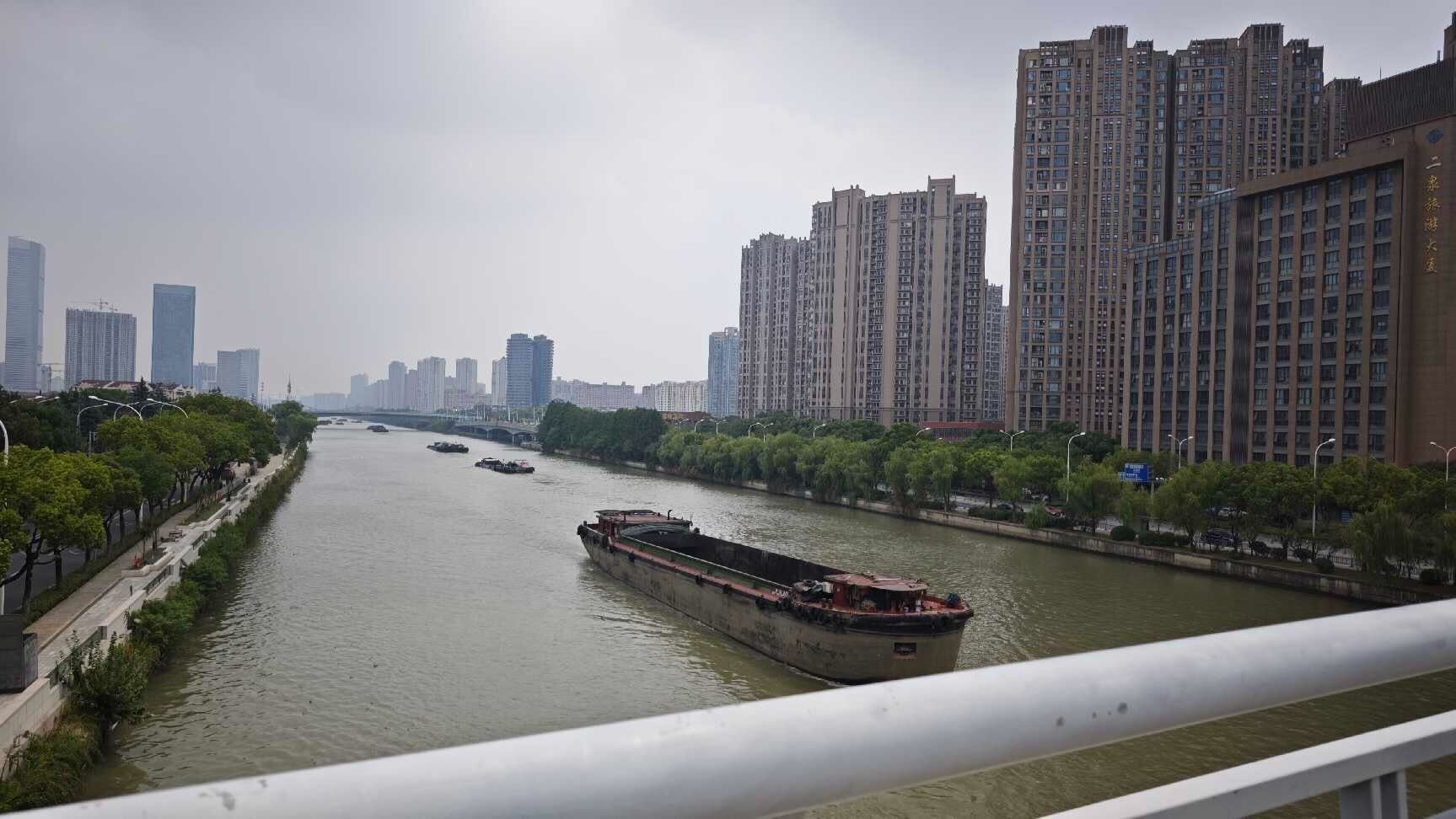
In a poignant exploration of identity, Alaina Zhang, a first-year student at Stanford University, reflects on her experiences of immigrant nostalgia. In her column “Nostalgic Thoughts,” she articulates a deep sense of longing for her childhood in Wuxi, China, a feeling that surfaces unexpectedly in her day-to-day life in Canada. Zhang’s insights reveal the complexities of nostalgia experienced by first-generation immigrants and the unique perspective of those straddling the line between two cultures.
Zhang first encountered the term “immigrant nostalgia” last year, which helped her articulate a feeling she had long grappled with. This sensation often arises in solitary moments or in the company of friends, accompanied by a profound sense of loss. After immigrating to Canada at the age of eight, she found herself yearning for a childhood that felt increasingly distant. This longing often manifests as an obsessive desire to recreate a fictional version of her past life in China, where she was enveloped in the warmth of her family’s presence.
Zhang reminisces about her close-knit family, recalling cherished memories such as waking up at 6:30 a.m. for breakfast with her grandparents and riding on her grandfather’s electric bike. She describes the daily rhythms of her childhood, from the familiar faces in her classroom to enjoying traditional breakfasts of fried dough and soy milk. Each experience became a luxury, only accessible during summer vacations after her family’s immigration.
As a first-generation immigrant, Zhang’s nostalgia is tinged with a sense of displacement. She articulates her experience as a blend of “first-generation immigrant nostalgia” and “second-generation immigrant nostalgia.” The latter refers to the yearning for a life that children of immigrants have never lived. This dual perspective allows her to reflect on the life she left behind and the one she inhabits now.
The transition to life in Canada brought significant changes. After moving, Zhang began living solely with her parents, who, while loving, placed greater demands on her than her grandparents had. This shift marked a turning point in her life, as she found herself separated from childhood friends and the vibrant community in Wuxi. This isolation, coupled with her introverted nature, intensified her feelings of nostalgia.
Zhang’s memories of China remained vivid even as she settled into her new life in Vancouver. As she navigated the social dynamics of a Canadian public school, she often found herself imagining the life she might have lived had she stayed in Wuxi. The contrast between her memories of bustling streets and the gray, rainy skies of Vancouver deepened her sense of longing.
She also highlights how music played a role in her nostalgia. Listening to old Mandarin and Cantonese pop songs allowed her to connect with emotions she felt were absent in her current surroundings. Yet, despite the comfort of these memories, she struggled to find others who shared her experiences.
Zhang concludes her reflection by noting how nostalgia can create a pause in her life, allowing her to drift into an imagined existence—one where she never left China. This introspection reveals the powerful impact of immigration on personal identity, as well as the ongoing journey of reconciling two distinct cultural experiences.
Through her poignant prose, Alaina Zhang invites readers to consider the multifaceted nature of nostalgia, particularly for those navigating the complexities of identity within immigrant families. Her reflections serve not only as a personal narrative but also as a broader commentary on the immigrant experience, highlighting the enduring connection to one’s roots, despite the passage of time and distance.