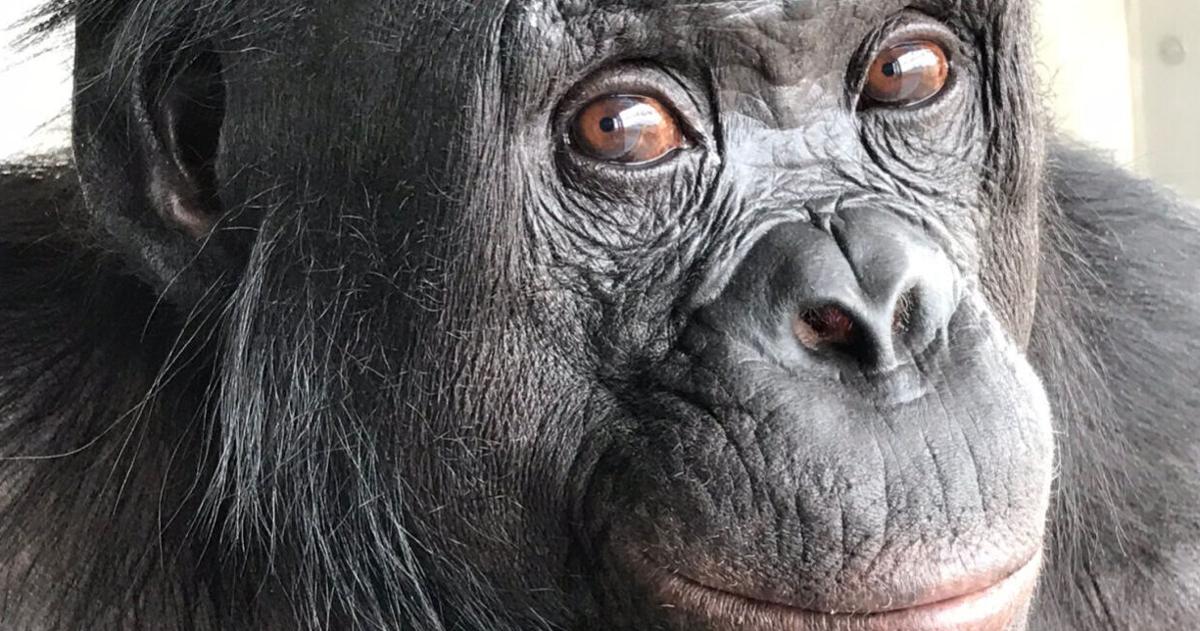
Research has revealed intriguing insights into the cognitive abilities of apes regarding imaginative play. A recent study conducted by scientists at the University of Virginia examined whether apes can engage in pretend play, an ability typically seen in young children. By employing a novel method involving imaginary juice, researchers aimed to understand the complexities of apes’ play behavior.
The study highlights that by the age of two, most children can create imaginative scenarios, transforming their surroundings into fantastical settings. Drawing parallels with this developmental milestone, researchers sought to determine if non-human primates exhibit similar capabilities.
In the experiment, scientists presented apes with a scenario in which they could pretend to drink imaginary juice from a cup. This setup was designed to assess whether the apes could differentiate between real and pretend actions. The findings suggest that apes demonstrated the ability to engage in this form of play, indicating a level of cognitive complexity previously underappreciated in these animals.
The implications of this research extend beyond mere curiosity about animal behavior. Understanding pretend play can shed light on the evolution of cognitive functions in both humans and apes. The study, published in a leading journal on developmental psychology, emphasizes the importance of imaginative play as a crucial aspect of learning and social interaction.
As scientists continue to explore the boundaries of animal cognition, this research contributes to a growing body of evidence that suggests apes are not merely reactive creatures but possess advanced cognitive skills. Such findings could have broader implications for conservation efforts and our understanding of the emotional and social needs of apes in captivity.
The study not only enriches our knowledge of ape behavior but also invites further questions about the nature of intelligence and imagination across species. As researchers delve deeper into these areas, they may uncover more about the shared traits that define the primate family, including humans.