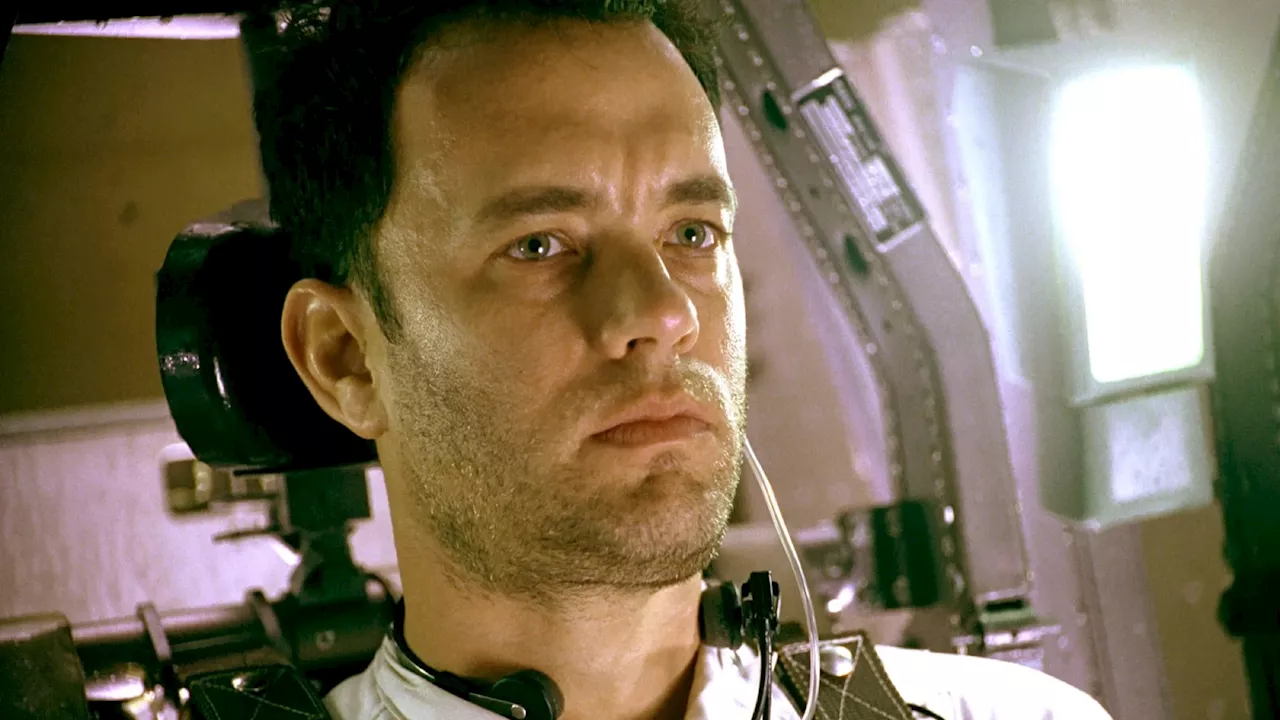
A film recounting a historic space mission continues to resonate with retired astronauts nearly three decades after its release. The movie, which debuted in 1995, achieved remarkable box office success, grossing $355.7 million worldwide and earning multiple Oscar nominations. Its portrayal of the complexities of spaceflight and tribute to mission control has garnered high praise from those who experienced the realities of NASA’s space missions firsthand.
Among the movie’s most ardent supporters is retired astronaut Michael Massimino, who commended the film for its respectful representation of the dedicated professionals at Mission Control. He noted, “It paid well-deserved tribute to the dedicated men and women of Mission Control.” Chris Hadfield, another prominent astronaut, added that the film “intensely dramatizes the urgent, high-stakes, life-or-death reality of spaceflight.” Perhaps the most poignant reflection came from Dottie Metcalf-Lindenburger, who expressed that the film “still makes me hold my breath” every time she watches it.
The film, which revolves around the Apollo 13 mission, commemorates one of NASA’s greatest achievements, transforming a potentially disastrous event into an inspiring story of teamwork and resilience. Directed by Ron Howard, the film captures the tension and excitement of space exploration while immersing viewers in the high-pressure environment of mission control. Howard’s classical filmmaking style has ensured that the drama remains engaging, even decades later.
Howard’s direction shines in the film’s space sequences, which effectively convey the vastness and danger of the great beyond. The cast, including Tom Hanks as Jim Lovell, delivers powerful performances that evoke both relatability and authority. Hanks portrays Lovell with an everyman charm, supported by outstanding performances from Bill Paxton and Kevin Bacon, who play Lovell’s crewmates, Fred Haise and Jack Swigert. Their chemistry creates a palpable sense of camaraderie, enhancing the film’s emotional stakes.
Ed Harris also stands out as Gene Kranz, the flight director whose commanding presence captivates audiences. His portrayal adds depth to the film’s depiction of the mission’s complexities. While the movie does take some artistic liberties, it remains a beloved representation of a remarkable event in history. The enthusiasm from former astronauts demonstrates the film’s authenticity and impact.
The enduring popularity of this film among former NASA personnel underscores its significance. Retired astronauts would be quick to voice criticisms if the film misrepresented the realities of space travel, but the consistent praise reflects the filmmakers’ commitment to authenticity and professionalism.
For those interested in experiencing the film’s gripping narrative, it is currently available for streaming on AMC+ and can also be purchased digitally through various platforms, including Apple and Amazon. As the film continues to inspire new audiences, it serves as a reminder of the extraordinary human spirit and the collaborative efforts that define space exploration.