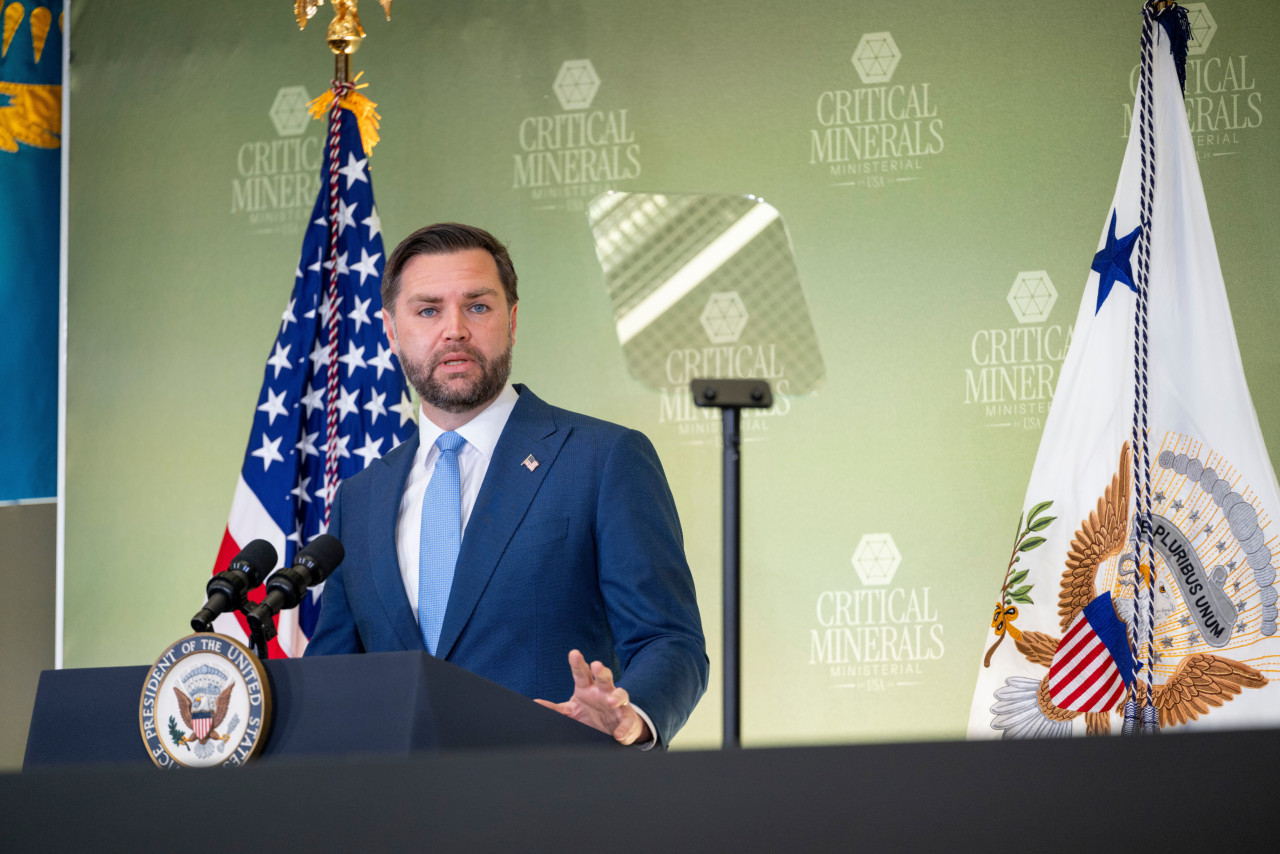
The United States has initiated strategic partnerships with Mexico, the European Union, and Japan to establish a “preferential trade zone” aimed at countering China’s significant influence in the minerals sector. This move comes as global demand for critical minerals, essential for technologies like electric vehicles and renewable energy, continues to rise.
The agreements, announced on March 15, 2024, are designed to create a collaborative framework among these nations, focusing on the secure supply and sustainable development of vital mineral resources. By diversifying sources and strengthening trade ties, the U.S. and its allies hope to reduce reliance on China, which currently dominates the market for many critical minerals.
China has established itself as a leading supplier of essential minerals, controlling approximately 60% of global production in key areas such as lithium, cobalt, and rare earth elements. This dominance has raised concerns among Western nations regarding supply chain vulnerabilities and national security. The new alliances are expected to enhance cooperation in exploration, production, and refined materials, ultimately creating a more resilient supply chain.
In a statement, U.S. Secretary of Commerce Gina Raimondo emphasized the importance of these partnerships. She noted that “working together with our allies will ensure that our economies are not only competitive but also secure.” The emphasis on collaboration signifies a shift in how countries approach the challenges posed by China’s market control.
The partnerships will also focus on environmental sustainability, aiming to establish best practices for mining and production processes that minimize ecological impact. By leveraging advanced technologies and shared expertise, the U.S. and its partners plan to foster a more responsible minerals industry.
Importantly, this initiative could reshape global trade dynamics as nations seek to strengthen their positions within the minerals market. Discussions on tariff reductions and regulatory harmonization are already underway, with hopes of facilitating smoother trade flows among the participating countries.
As part of this effort, the U.S. is expected to invest heavily in domestic mining and processing capabilities. This includes potential funding for research and development aimed at improving extraction methods and increasing efficiency in mineral processing. Such investments could not only bolster local economies but also create jobs, enhancing overall economic resilience.
The potential economic impact of these agreements is significant. By reducing dependency on Chinese imports, the U.S. and its allies could stimulate growth in their respective minerals sectors. The collective goal is to ensure that essential materials are sourced responsibly and efficiently, while also maintaining competitive pricing.
Looking ahead, the success of these partnerships will depend on the ability of the participating nations to navigate complex trade relationships and geopolitical tensions. The U.S. is poised to lead this charge, but cooperation and commitment from all parties will be essential to achieve the desired outcomes.
These developments highlight the shifting landscape of global trade, particularly in the minerals sector. As nations strive to secure their supply chains and reduce reliance on dominant players like China, the formation of strategic alliances will likely play a crucial role in shaping the future of international trade relations.