Iran has tentatively agreed to resume nuclear negotiations with the United States, marking the first discussions since military strikes were conducted on its nuclear facilities last summer. This development comes as Iran seeks to mitigate the risk of further military action, particularly amid escalating tensions in the region.
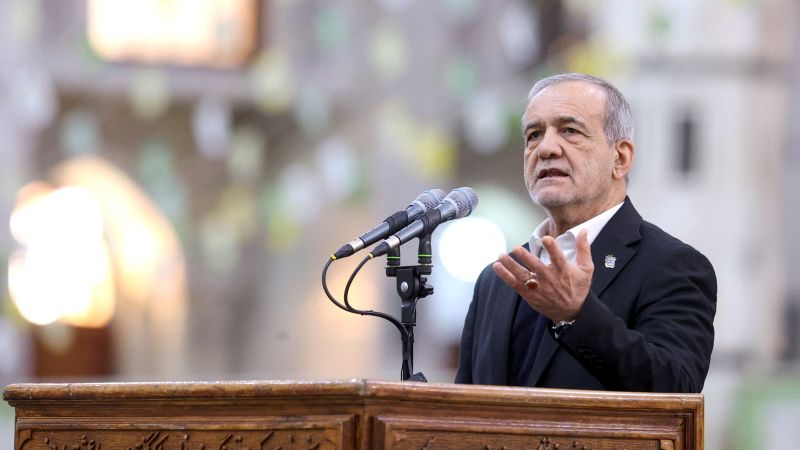
Iran’s top diplomat, Abbas Araghchi, is set to meet with US Special Representative Steve Witkoff and senior advisor Jared Kushner in Istanbul on Friday. The Iranian President, Masoud Pezeshkian, has confirmed the country’s willingness to engage in negotiations, albeit under specific conditions. In a statement on social media platform X, Pezeshkian emphasized the need for a “suitable environment” for discussions, free from threats and “unreasonable expectations.”
Pezeshkian noted that these negotiations would align with Iran’s national interests and follow requests from “friendly governments in the region.” While he is the acting president, the ultimate authority in Iran rests with Ayatollah Ali Khamenei, who has recently issued warnings about potential repercussions if the US were to conduct military strikes against Iran.
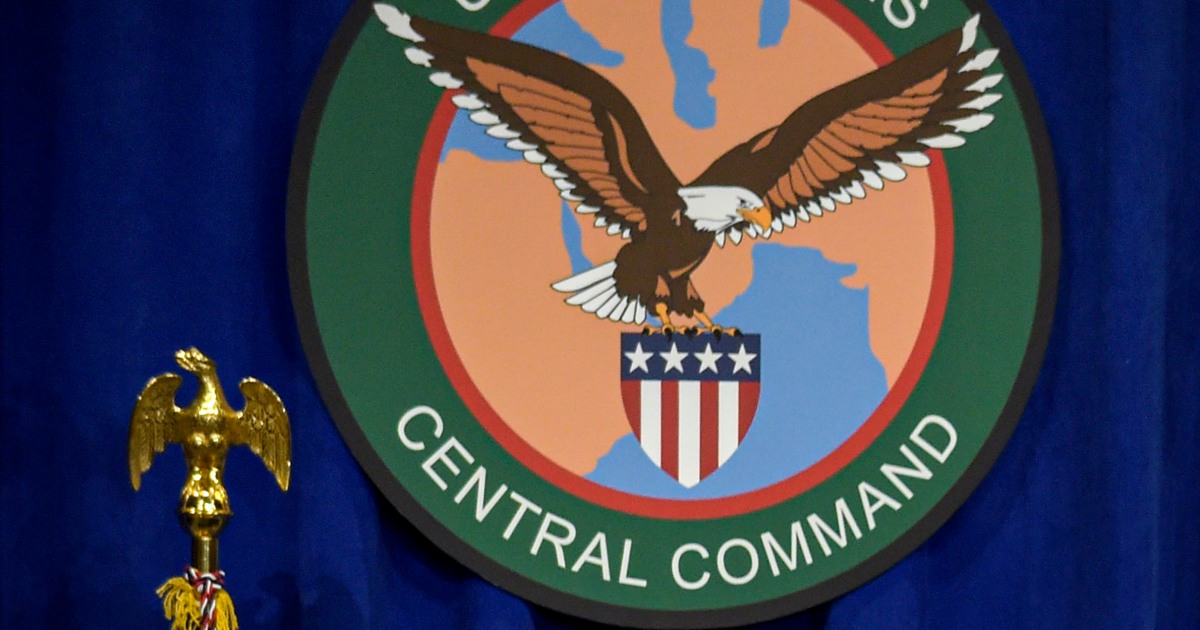
The geopolitical landscape has shifted dramatically in recent weeks. Following the deployment of a US carrier strike group to the region, President Donald Trump has reiterated threats of military action if Iran does not agree to a new nuclear deal. The heightened tension was further exacerbated by Trump’s statements regarding possible airstrikes targeting Iranian leadership and nuclear sites.
Diplomatic Efforts Intensify
In the wake of rising tensions, diplomatic efforts have intensified, with regional leaders actively seeking avenues to de-escalate the situation. Countries such as Qatar, Turkey, and Egypt have taken the lead in facilitating discussions, with Turkey offering to host the upcoming talks in Istanbul. Foreign ministers from Egypt, Oman, Pakistan, Qatar, Saudi Arabia, and the United Arab Emirates are also expected to participate.
Trump expressed cautious optimism about the prospect of negotiations, stating on Sunday that Iran is “seriously talking to us.” In contrast, some Iranian officials have adopted a more resolute stance. Ali Bagheri, head of the foreign policy office at Iran’s Supreme National Security Council, declared that the country has “no intention” of negotiating over its enriched uranium stockpiles, as reported by Press TV.
The International Atomic Energy Agency (IAEA) previously raised concerns about Iran’s uranium enrichment activities, indicating that the country was enriching uranium to 60%, a level that raises alarms given its non-nuclear weapon state status.
Challenges Ahead
Challenges remain as Iran seeks to rebuild its nuclear capabilities, reportedly deepening its facilities underground in response to the US strikes. Additionally, recent reports indicate that Iran has restricted access for the UN’s nuclear watchdog to its nuclear sites, complicating oversight efforts.
Moreover, Ali Shamkhani, an advisor to Khamenei, stated that the US “must offer something in return” for Iran to consider reducing its level of uranium enrichment. This statement underscores the complexities surrounding the nuclear talks and the differing expectations from both sides.
The upcoming negotiations in Istanbul are crucial not only for US-Iran relations but also for regional stability. With the potential for conflict looming, the international community will be closely monitoring the outcome of these discussions, hoping for a resolution that can avert further military confrontations.