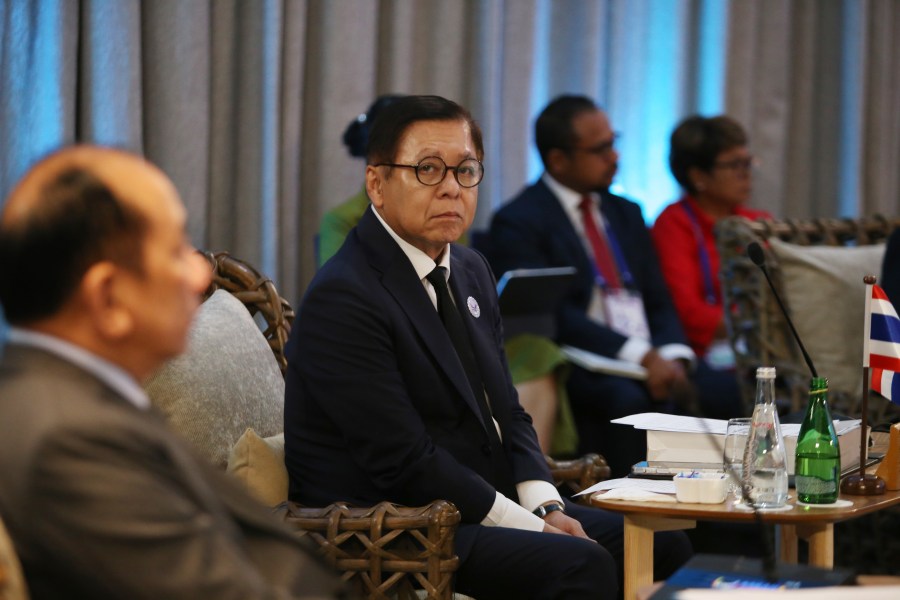
A five-year-old peace initiative aimed at resolving the ongoing civil war in Myanmar remains a focal point for Southeast Asian leaders, despite its apparent shortcomings. Thailand’s Foreign Minister, Don Pramudwinai, emphasized on Friday that the plan could still serve as a foundation for fostering peace, particularly by engaging with new leaders emerging from Myanmar’s recent elections.
The situation in Myanmar has escalated dramatically since February 2021, when the military seized power in a coup, triggering widespread violence and civil unrest. The subsequent conflict has led to thousands of deaths and displaced millions, creating a humanitarian crisis that has drawn international concern.
In a meeting held in Cebu, Philippines, ASEAN leaders discussed the urgent need for a coordinated approach to address the violence in Myanmar. They highlighted the challenges of achieving peace under the current circumstances, yet expressed a commitment to utilize the existing peace framework. The hope is that by involving new political figures, there may be opportunities to negotiate a more sustainable resolution.
Pramudwinai noted the importance of dialogue and collaboration with all parties involved, including non-state actors, to achieve lasting peace. He stated, “We must engage with those who hold the mandate from the people, as they are crucial to restoring stability.”
Despite the ongoing turmoil, ASEAN remains committed to its principles of non-interference and consensus-building. The regional bloc faces mounting pressure from various sectors, including human rights organizations, to take a firmer stance against the military junta in Myanmar.
The peace plan, originally introduced in 2018, is structured around five key points, including an immediate cessation of violence, dialogue among all parties, and the provision of humanitarian assistance. While these objectives have not yet been fully realized, ASEAN leaders believe they can still act as a roadmap for future discussions.
The complexity of the situation in Myanmar poses significant challenges for ASEAN. The bloc’s efforts to mediate have been complicated by the lack of cooperation from the military and the fragmented nature of opposition groups. Nevertheless, ASEAN diplomats remain hopeful that renewed political engagement may pave the way for a more peaceful future.
In summary, while the peace plan has not succeeded in stopping the violence, its framework may still facilitate dialogue and potential reconciliation. As Myanmar navigates a tumultuous period following its recent elections, the role of ASEAN and its member states will be crucial in shaping the path forward for peace and stability in the region.