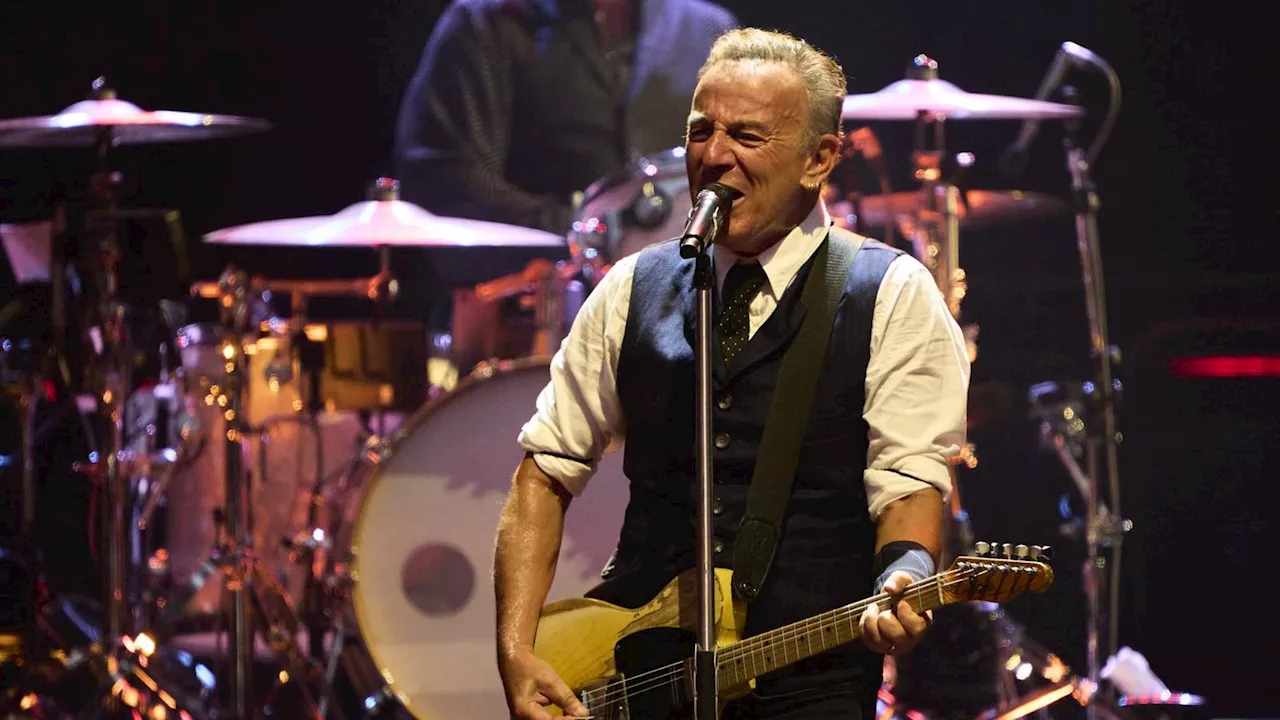
Bruce Springsteen has made a powerful statement against the violence of U.S. Immigration and Customs Enforcement (ICE) with his new single, “Streets of Minneapolis.” Released on February 1, 2026, the song addresses the tragic deaths of two individuals, Alex Pretti and Renee Good, who lost their lives amid ongoing protests against ICE in Minneapolis, Minnesota. This release comes in the wake of escalating political tensions and civil unrest in the United States, drawing attention to the plight of immigrants and the actions of federal authorities.
In the first verse of the song, Springsteen captures the intense emotions surrounding the protests, stating, “Neath an occupier’s boots, came to Minneapolis to enforce the law.” This poignant line reflects the frustrations of citizens facing what they perceive as an oppressive law enforcement presence in their city. The song serves as a tribute to those affected by the recent violence, particularly highlighting the case of Pretti, a 37-year-old nurse who was documenting an incident he found unjust before his untimely death.
Musical Response to a Human Crisis
The chorus of “Streets of Minneapolis” resonates deeply, with Springsteen’s voice declaring, “Oh, our Minneapolis, I hear your voice / Crying through the bloody mist / We’ll remember the names of those who died / On the streets of Minneapolis.” This heartfelt message underscores the musician’s commitment to social justice and his ability to channel his frustrations into art.
Springsteen’s past criticisms of political figures, particularly President Donald Trump, are well-documented. This latest song marks a continuation of his activism, using music as a means to protest against what he describes as “state terror” inflicted upon innocent individuals. In addition to honoring Pretti and Good, Springsteen’s lyrics reflect broader sentiments shared by many who feel marginalized and threatened by current policies.
As protests gathered momentum in Minneapolis, citizens braved harsh winter conditions to express their outrage. The ongoing demonstrations are a response to the deaths that have shaken the community, with an estimated eight fatalities attributed to ICE actions in just four weeks of 2026. The recent incidents have intensified calls for accountability and reform, igniting passion across various segments of society, including musicians, athletes, and other public figures, who have rallied to support the cause.
A Cultural Moment for Change
The release of “Streets of Minneapolis” serves not only as an artistic expression but also as a rallying cry for change. Springsteen’s decision to address such a pressing issue through his music reinforces the role of art in activism. With a career that has long been intertwined with American identity, his latest work resonates powerfully in the current socio-political climate.
As listeners engage with Springsteen’s lyrics, they are invited to reflect on the names and stories of those who have suffered at the hands of a system many view as unjust. The song’s dedication to Pretti and Good is a poignant reminder of the human impact of policy decisions and the urgent need for reform.
In summary, Bruce Springsteen’s “Streets of Minneapolis” encapsulates a moment of cultural significance, bringing attention to the ongoing struggles faced by communities in the United States. As the nation grapples with issues of immigration and authority, Springsteen’s music stands as a testament to the power of artistic expression in advocating for justice and remembrance.