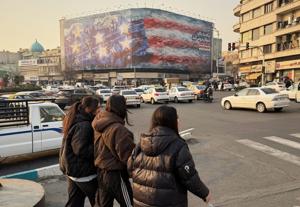
Iran’s ongoing crackdown on nationwide protests has resulted in the deaths of at least 6,126 people, according to the Human Rights Activists News Agency. The unrest, which began on December 28, 2023, was sparked by the steep decline of the Iranian currency, the rial, which has now reached a record low of 1.5 million rial to $1. Amidst this turmoil, a U.S. aircraft carrier group, led by the USS Abraham Lincoln, has arrived in the Middle East, prepared to respond to the escalating crisis.
The protests erupted following a severe economic downturn, with the rial’s value plummeting significantly over the last decade. Activists report that the government’s violent response has included over 41,800 arrests and the deaths of many protesters, including at least 86 children and 49 civilians not involved in demonstrations. The Iranian government, however, has reported a much lower death toll of 3,117, attributing the majority of those fatalities to “terrorists” rather than the state’s actions.
U.S. Military Presence Heightens Tensions
The arrival of the USS Abraham Lincoln and its accompanying guided missile destroyers signals a potential readiness for military action. This military presence comes as Gulf Arab states express their preference to avoid direct involvement in conflict, despite hosting U.S. forces. As tensions rise, two Iranian-backed militias have shown willingness to conduct new attacks in support of Tehran following U.S. President Donald Trump’s threats of military action in response to the government’s violent suppression of protests.
Iran’s military capabilities are under strain after recent conflicts, particularly following the June war initiated by Israel against Iranian interests. As the Iranian economy deteriorates, the potential for renewed unrest looms large, particularly as everyday goods become increasingly unaffordable for the general populace. The economic situation has been exacerbated by international sanctions, particularly those related to Iran’s nuclear program.
International Reactions and Iranian Responses
In a meeting at the United Nations Security Council, Iranian Ambassador Amir Saeid Iravani condemned the military threats from the U.S., asserting that they have incited violence within the country. He accused the U.S. of supporting “armed terrorist groups,” although he did not provide evidence for these claims. Iranian state media has attempted to attribute the protests to foreign interference, as the government struggles to address the pressing economic issues facing its citizens.
As the rial continues to plummet, exchange shops in Tehran are reporting unprecedented rates. The Iranian government has limited subsidized currency rates and is offering a mere $7 monthly to most citizens to help with rising living costs. The rial’s value has dropped from 32,000 to $1 just ten years ago, leading to severe inflation and the erosion of savings for many families.
The Iranian regime has historically underreported fatalities during times of unrest. The current death toll exceeds that of previous protests and recalls the chaos of the 1979 Islamic Revolution. Protests have become a significant challenge for Iran’s theocracy, which has struggled to maintain control amid widespread discontent.
As regional tensions escalate, Iranian leaders, including those from the militant group Hezbollah, have signaled their readiness to respond to any military attacks. Hezbollah leader Sheikh Naim Kassem indicated in a recent address that the group is preparing for possible aggression, emphasizing the need to defend against potential threats.
The situation in Iran remains fluid, with both domestic and international implications as protests continue and the government faces increasing pressure from its populace and external forces.