10x Genomics has announced a strategic shift towards clinical diagnostics, marking a significant expansion beyond its traditional research tools for academic and industry customers. The company has formed partnerships with three prominent institutions: Brigham & Women’s Hospital and Dana-Farber Cancer Institute in Boston, along with the Cancer Research Institute in New York. These collaborations aim to leverage the company’s advanced single-cell and spatial biology technologies to generate scientific evidence that supports clinical applications.
The announcement comes as 10x plans to establish a CLIA-certified laboratory within the next year. This facility will enable the clinical deployment of diagnostics developed through these partnerships. With these developments, 10x seeks to broaden its customer base and enhance its position as the second largest publicly traded spatial biology company, according to GEN.
During the recent J.P. Morgan 44th Annual Healthcare Conference in San Francisco, Serge Saxonov, co-founder and CEO of 10x Genomics, highlighted the demand from physicians for single-cell and spatial analysis capabilities in a clinical setting. “If you guys offer single-cell and spatial in a CLIA lab for patient testing, it would be a game changer for me,” Saxonov recounted from discussions with healthcare professionals. He emphasized that the company’s goal is to advance human health through its innovations.
Strategic Collaborations to Drive Diagnostics
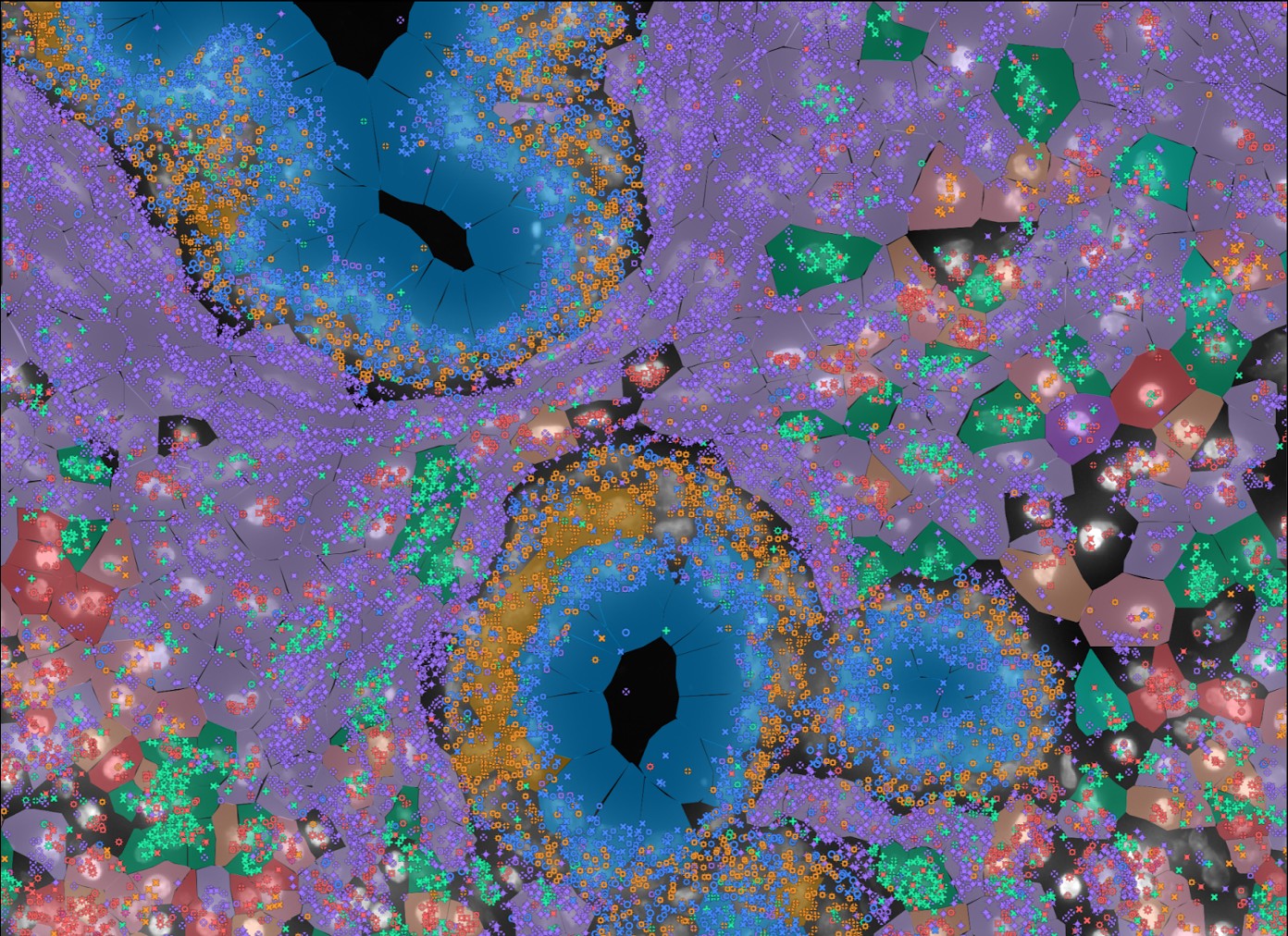
The collaborations with the mentioned institutions focus on addressing critical needs in oncology and autoimmune diseases. At Dana-Farber, 10x will analyze tumor samples from hundreds of patients to identify biomarkers related to treatment responses. This research will explore various emerging therapies, including antibody-drug conjugates and immune checkpoint inhibitors, using 10x’s Chromium Flex single-cell assay and Xenium spatial biology platform.
With Brigham & Women’s Hospital, the aim is to investigate immune signatures in patients with rheumatoid arthritis, systemic lupus erythematosus, and giant cell arteritis. This study plans to enroll approximately 1,000 patients over 18 months, generating a comprehensive view of immune responses related to disease activity and treatment efficacy.
Additionally, the collaboration with the Cancer Research Institute will focus on developing an extensive dataset for immuno-oncology applications. This multi-phase project will utilize 10x’s platforms to analyze over 20,000 samples, aiming to enhance understanding of immune responses to cancer and inform treatment strategies.
Saxonov noted that these initiatives reflect a growing recognition of the importance of cellular-level diagnostics, especially as new therapies increasingly target expression markers in cancer. “What needs to exist now for physicians to select the right therapy is a way to comprehensively measure all the different targets that are being targeted by these drugs. And that doesn’t exist now,” he explained.
Market Dynamics and Financial Outlook
These clinical initiatives come at a time when 10x Genomics is navigating a challenging market landscape. The company experienced a contraction in its traditional academic and government customer base due to funding cuts, leading to job reductions earlier this year. However, the outlook appears more positive following the release of preliminary results for the fourth quarter of 2025. The company reported an estimated revenue of approximately $166 million, marking an 11% increase from the previous quarter and exceeding analyst expectations.
Consumables revenue accounted for about $141.7 million, showing significant growth, while instrument revenue also saw a substantial quarter-over-quarter increase. Despite a drop in year-over-year comparisons, investor confidence remains high, with 10x’s stock experiencing a notable rise in recent weeks.
As 10x Genomics continues to expand its clinical capabilities, it reflects a broader trend in the biotechnology sector, where companies like Illumina are also increasing their focus on clinical diagnostics. Illumina’s recent advancements, including securing reimbursement for its TruSight Oncology test, highlight the competitive landscape as both companies seek to capture the growing clinical market.
Saxonov expressed optimism about the future of 10x, citing the company’s resilience through challenging financial conditions. “We ended up finishing the year with really, really nice momentum,” he stated, indicating a strong commitment to advancing the frontiers of clinical diagnostics and improving patient outcomes.