The 1990s produced a remarkable collection of films that not only entertained audiences but also shaped the future of cinema. This decade is often referred to as a Golden Age, marked by innovative storytelling, memorable characters, and groundbreaking visuals. From animated classics to gripping thrillers, the films of this era have left an indelible mark on popular culture. Here, we explore a ranked selection of the most iconic movies from the 1990s.
8. The Lion King
Regarded as one of the greatest animated films ever made, The Lion King debuted in 1994 and quickly became a cultural phenomenon. Directed by Roger Allers and Rob Minkoff, it tells the story of Simba, a young lion prince who is exiled after his uncle Scar murders his father, Mufasa. The film features a star-studded voice cast, including Matthew Broderick, James Earl Jones, and Whoopi Goldberg. Its blend of Shakespearean themes and vibrant animation resonated with audiences, earning it two Academy Awards for its original songs by Elton John and Tim Rice.
7. The Big Lebowski
Released in 1998, The Big Lebowski is a cult classic that has garnered a dedicated following over the years. Created by the Coen brothers, the film follows the laid-back slacker Jeffrey “The Dude” Lebowski, played by Jeff Bridges, who becomes embroiled in a bizarre kidnapping plot. Initially met with mixed reviews, it has since become a cultural touchstone, celebrated for its quirky dialogue and eccentric characters. The film’s exploration of identity and nihilism has led to extensive analysis and discussions, solidifying its status as a significant work of the decade.
6. Fight Club
Adapted from Chuck Palahniuk’s novel, Fight Club premiered in 1999 and quickly stirred controversy with its graphic violence and dark themes. Directed by David Fincher, the film stars Edward Norton as an insomniac office worker who forms an underground fight club with soap salesman Tyler Durden, portrayed by Brad Pitt. Although it received polarized reviews upon release, the film has gained a significant cult following and is praised for its incisive commentary on consumerism and identity. Its memorable quotes and themes continue to resonate, marking it as a provocative cultural landmark.
5. Goodfellas
A masterclass in storytelling, Goodfellas showcases the rise and fall of mob associate Henry Hill, played by Ray Liotta. Directed by Martin Scorsese and based on Nicolas Pileggi‘s book, the film details Hill’s life in the Lucchese crime family from the 1950s to the 1980s. Released in 1990, it features standout performances from Robert De Niro and Joe Pesci. With its gritty portrayal of organized crime and groundbreaking cinematic techniques, Goodfellas is widely regarded as one of the greatest gangster films in cinematic history.
4. The Silence of the Lambs
Released in 1991, The Silence of the Lambs is a chilling psychological thriller that follows FBI trainee Clarice Starling, portrayed by Jodie Foster, as she seeks the help of the imprisoned Dr. Hannibal Lecter, played by Anthony Hopkins, to catch a serial killer. The film became a sleeper hit, earning critical acclaim and sweeping the Academy Awards, including Best Picture and Best Actor for Hopkins. Its nuanced performances and gripping narrative have solidified it as a landmark in the horror-thriller genre.
3. Jurassic Park
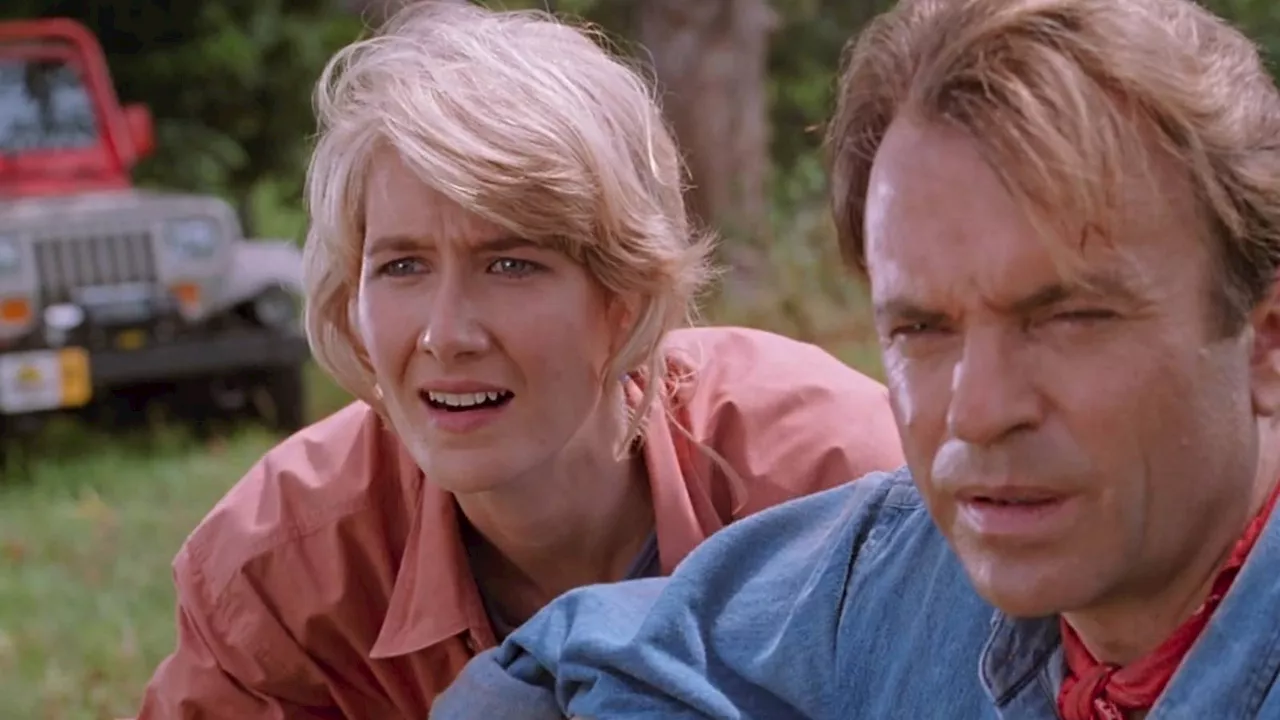
In 1993, Jurassic Park revolutionized the film industry with its groundbreaking special effects and thrilling narrative. Directed by Steven Spielberg, the film is based on Michael Crichton’s novel, depicting a disastrous attempt to revive dinosaurs on a tropical island. The film’s innovative use of animatronics and CGI set new standards in special effects, and it became a massive box office success, spawning an enduring franchise. Its iconic status and cultural impact make it a quintessential film of the ’90s.
2. Pulp Fiction
Released in 1994, Pulp Fiction is a genre-defining film from Quentin Tarantino that intertwines multiple storylines involving hitmen, a boxer, and a pair of robbers. Its non-linear narrative structure, sharp dialogue, and eclectic soundtrack have made it a benchmark for modern cinema. The film features an ensemble cast, including John Travolta, Samuel L. Jackson, and Uma Thurman, and won the Academy Award for Best Original Screenplay. Nearly three decades later, it remains an enduring symbol of pop culture.
1. Schindler’s List
At the pinnacle of ’90s filmmaking is Schindler’s List, directed by Steven Spielberg and released in 1993. Based on the true story of Oskar Schindler, a German businessman who saved over 1,000 Polish Jews during the Holocaust, the film is a heart-wrenching portrayal of human courage amidst unimaginable horror. With its powerful performances, particularly by Liam Neeson and Ralph Fiennes, and its haunting black-and-white cinematography, Schindler’s List has received numerous accolades, including seven Academy Awards. It stands as a poignant reminder of history and a testament to the resilience of the human spirit.
The 1990s remain a vibrant period in cinema history, showcasing a diverse array of films that continue to influence filmmakers and captivate audiences today. Each of these films contributes to the rich tapestry of the decade, reflecting its complexities and cultural shifts.