The Boeing 747-8 is not facing imminent retirement, despite its production officially ending in January 2023. Currently, there are 28 active Boeing 747-8 aircraft in service, primarily operated by three major airlines: Lufthansa, Air China, and Korean Air. These aircraft, with ages ranging from eight to 15 years, are still relatively young compared to other models in the widebody fleet. Their unique capabilities ensure that they will continue to operate for many years to come.
The operational profile of the Boeing 747-8 illustrates its longevity. The aircraft’s design is tailored for high passenger volumes and substantial cargo capacity, which is unmatched by other models. Lufthansa dominates the active passenger fleet, while Air China and Korean Air maintain smaller fleets dedicated to high-density routes. This concentration of operations allows for justifiable continued use of the Boeing 747-8, as evidenced by the projected retirement dates: one of Lufthansa’s models is set to retire in mid-2026, while Korean Air’s fleet will begin retiring in 2031.
What Makes the Boeing 747-8 Unique?
The Boeing 747-8 stands as the most advanced member of the iconic 747 family. This model extends the Boeing 747-400 airframe, incorporating modern engineering to meet 21st-century demands. It features a longer fuselage, redesigned wings with raked wingtips, and enhanced fuel capacity, allowing for extended long-range missions. The aircraft is powered by four General Electric GEnx-2B engines, which significantly improve fuel efficiency and reduce noise compared to older 747 models.
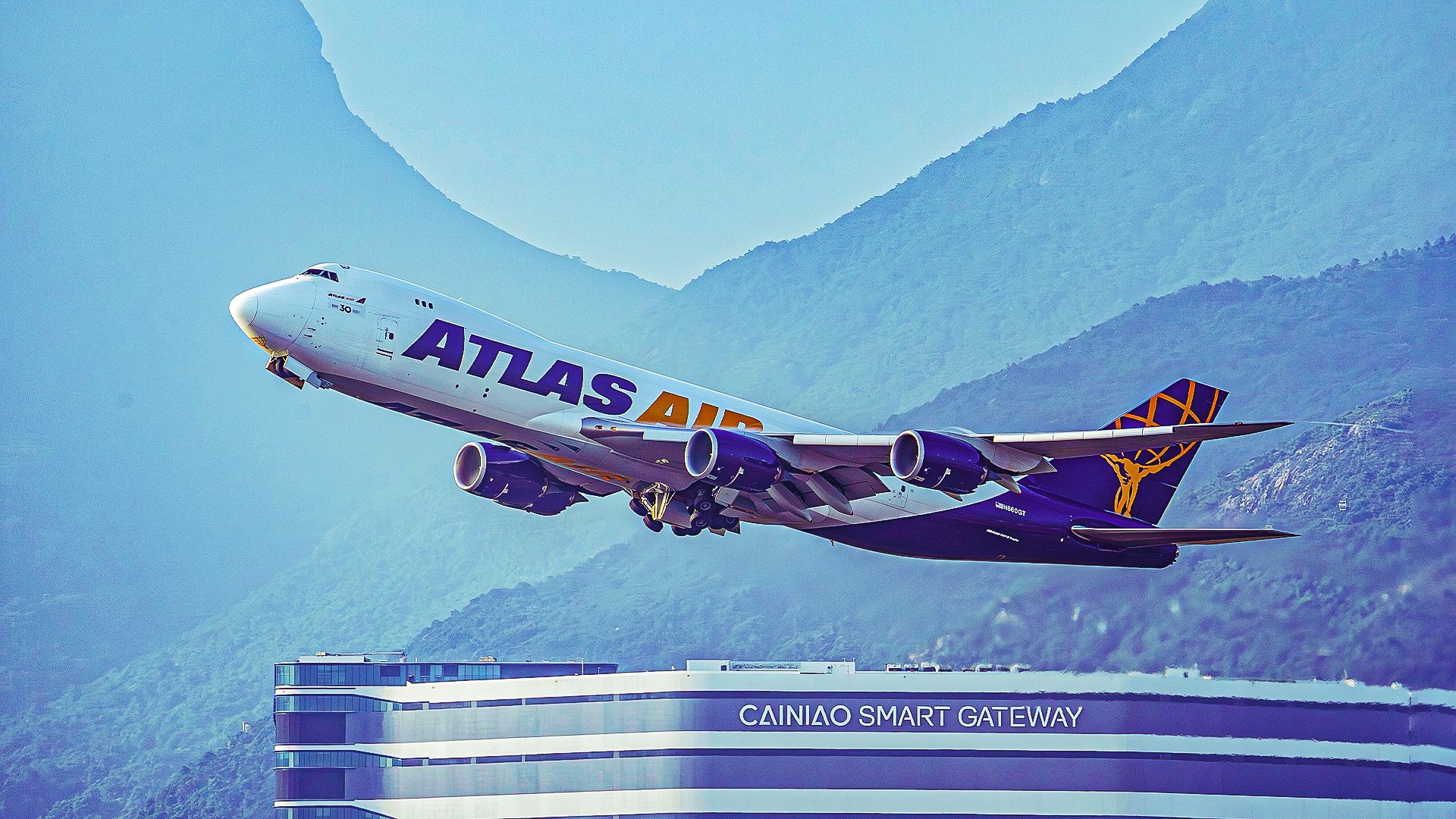
There are two primary variants of the 747-8: the 747-8 Intercontinental passenger model and the 747-8 Freighter. The passenger version typically accommodates around 467 seats in a three-class layout, while the freighter variant prioritizes cargo capacity, trading the upper deck for more main-deck volume. The operational flexibility of the Boeing 747-8 allows it to cater to both passenger and cargo needs, making it an invaluable asset in different market segments.
Current Operators and Future Outlook
The passenger version of the Boeing 747-8 is primarily operated by three airlines: Lufthansa with 16 aircraft, Air China with six, and Korean Air with four. This limited pool of operators underscores the aircraft’s niche in the aviation market. Lufthansa’s fleet predominantly consists of jets aged between 10 and 14 years, with retirement plans for select models but no mass exit anticipated. Air China’s fleet features younger models, while Korean Air’s jets are also relatively new, with retirements beginning in 2031.
The longevity of the Boeing 747-8 is further bolstered by its role in government service. Both the Egyptian Air Force and the Republic of Korea Air Force operate VIP-configured versions of the aircraft, which have been adapted for government use. These aircraft are designed for long-range travel and carry senior officials, equipment, and vehicles, making them essential for state functions.
Moreover, the United States government plans to incorporate the Boeing 747-8 into its operations. The VC-25B program will modify two 747-8I models to replace the existing executive transport fleet. These jets, expected to be delivered by 2028, will serve strategic purposes, featuring advanced communication systems and unique security modifications.
The future of the Boeing 747-8 suggests a gradual reduction in the fleet rather than an abrupt retirement. While production has ceased, the aircraft’s operational ecosystem remains supported by cargo variants like the Boeing 747-8F, which are crucial for global logistics networks. These freighters ensure a continued demand for parts and maintenance capabilities, fostering a sustainable environment for the passenger models.
In conclusion, the Boeing 747-8 is set to remain in operation for the foreseeable future. Its unique capabilities, coupled with the strategic choices of a few committed operators, indicate that this legendary aircraft will continue to grace the skies long after its production has ended. With individual airline decisions dictating retirement timelines, it is clear that the Boeing 747-8 is far from finished in its role as a vital player in aviation.