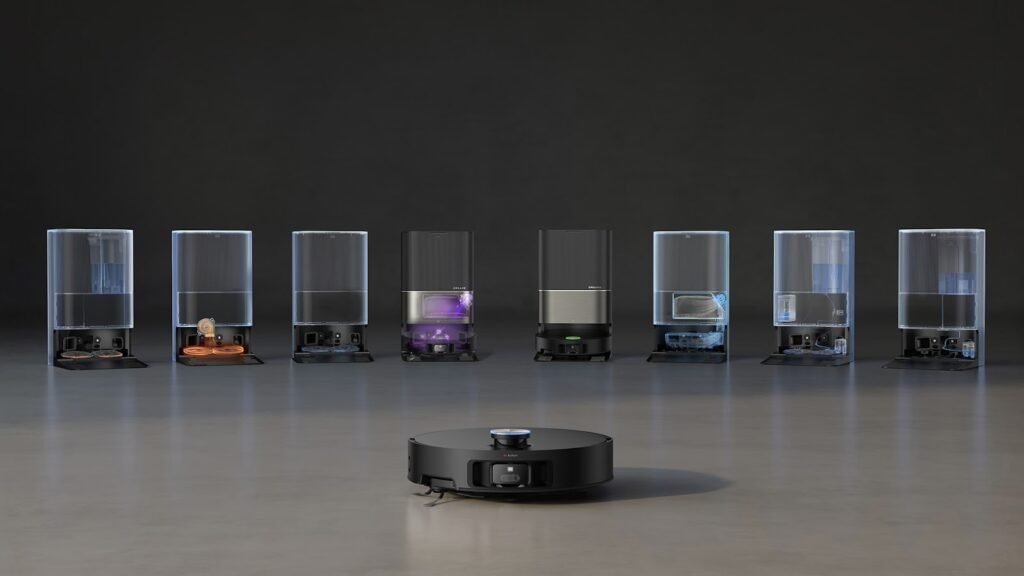
The landscape of home cleaning is undergoing a significant transformation, moving from passive devices to active, autonomous systems. This evolution, termed Smart Home 2.0, introduces technology that not only connects but also performs tasks independently, marking a pivotal shift in domestic management.
From Passive Convenience to Active Cleaning
For many years, smart home devices focused on convenience. Users could control lighting and temperature through voice commands, while connected doorbells provided video feeds to smartphones. These innovations were largely reactive, requiring user input to function. The latest advancements, however, signify a departure from this model. The new generation of smart cleaning devices actively navigates through homes, performing tasks that previously required manual effort.
One of the most notable advancements is in the realm of floor care. The transition from traditional cleaning tools to intelligent robotic solutions represents a leap in domestic management comparable to the introduction of the washing machine.
Redefining Robotic Vacuums
Early robotic vacuums often resembled toys more than effective cleaning tools. They typically moved randomly, struggled with obstacles, and required frequent human intervention. Today’s models are unrecognizable, incorporating sophisticated technology akin to that found in self-driving cars. Modern robotic vacuums utilize LiDAR (Light Detection and Ranging) and vSLAM (Visual Simultaneous Localization and Mapping) to create precise, millimeter-accurate maps of living spaces.
These advanced devices do not simply bump around; they strategize their cleaning routes. By employing systematic, overlapping paths, they ensure complete coverage of floors. The integration of Artificial Intelligence further enhances their capabilities. Equipped with advanced cameras and object recognition software, these robots can identify and navigate around temporary obstacles like charging cables and pet toys, allowing for true “set and forget” automation. Users can schedule cleanings via an app, and the device autonomously manages its operations.
Handheld cleaning tools have also experienced a transformation. The traditional mop and bucket, which have remained largely unchanged for centuries, are being replaced by smart wet-dry vacuums. These devices use sensors to adapt to various messes, optimizing their performance in real-time. High-end models feature infrared dirt detection sensors that analyze the density of debris and adjust suction power and water flow accordingly. If a user encounters a sticky spill, the vacuum can instantly increase its power, removing the guesswork from the cleaning process.
A Connected Ecosystem
The hallmark of Smart Home 2.0 is the interconnectedness of devices. These tools are designed to work seamlessly with each other. Voice control integration with platforms such as Alexa, Google Home, and Siri allows for natural language commands. Instead of asking a family member to clean a room, a user can simply instruct the robot to handle it.
Smartphone applications enable users to designate “No-Go Zones” or prioritize specific areas for extra attention. For example, a user can program the robot to mop the hallway twice during rainy weather or avoid a baby’s room during nap time. Additionally, smart diagnostics provide maintenance alerts, notifying users when filters require cleaning or when a water tank needs refilling.
Investing in these active smart home technologies differs significantly from purchasing entertainment devices. While televisions and smart speakers serve primarily for leisure, smart cleaning devices represent a productivity investment. The value lies in reclaiming time previously spent on mundane cleaning tasks. By transferring the cognitive load of remembering cleaning schedules to automated systems, users effectively buy back hours of their busy lives.
As smart home technology continues to advance, the notion of cleaning will shift fundamentally. Floors will no longer be spaces that require effort to clean; they will be areas that are autonomously maintained. This subtle yet profound change has the potential to reshape how individuals manage their homes and their time.
Written by Alexia Hope, who covers technology news for Research Snipers, this article highlights the exciting progress in smart home innovations and their impact on daily life.