As temperatures in Kiev plummet to as low as minus 20 degrees Celsius, hundreds of thousands of residents are enduring severe hardships due to ongoing Russian strikes targeting energy infrastructure. The situation has worsened as Ukraine approaches the fifth year of the conflict, with a particularly harsh winter enveloping the capital and other major cities, including Kharkiv, Dnipro, and Odesa.
Residents in Kiev, a city of approximately 3 million, are grappling with daily life without electricity or heating. Snow is falling, and icy conditions dominate the streets. People bundled in heavy clothing navigate through uncleared pavements, facing daytime temperatures around minus 12 degrees. The stark reality is illustrated by the sudden silence of a coffee kiosk, where a young saleswoman lamented, “We cannot make coffee. We can only sell baked goods.”
Impact of Ongoing Strikes
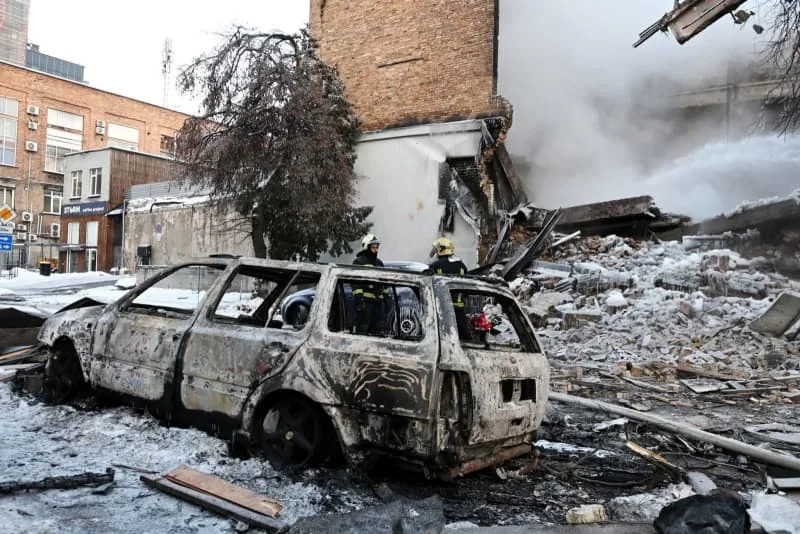
Since the onset of systematic Russian drone and missile attacks in the autumn, scheduled power outages have become routine. These strikes have targeted substations and heating facilities, aiming to disrupt the resilience of the Ukrainian people. The situation escalated dramatically in early January, when ballistic missiles and drones left entire districts in eastern Kiev without power for days. As a result, over 6,000 apartment blocks, affecting hundreds of thousands of residents, were deprived of heat.
The crisis deepened following further Russian missile strikes in mid-January, compounding the challenges faced by residents in western Kiev. Public transport systems, reliant on electricity, have faltered, and many find it impossible to plan basic activities like cooking or laundry. The disruption is particularly burdensome for elderly and disabled individuals living in high-rise buildings without functioning elevators.
Kiev Mayor Vitali Klitschko acknowledged the tireless efforts of energy company workers who are striving to restore power amid ongoing emergency outages. Despite their efforts, approximately 300 apartment blocks remain without heating, and many residents report inadequate warmth from their radiators, with some experiencing indoor temperatures only in the single digits. Creative solutions have emerged as residents use gas cookers to heat bricks, which they wrap in towels to keep warm.
Community Resilience Amid Crisis
Despite the dire circumstances, many residents are finding ways to support each other. Social media has become a platform for sharing experiences and encouragement. One resident, Taras Nesterenko, humorously described their situation in a TikTok video, stating, “We are in the Canaries. We are in the Maldives,” while noting the 13-degree temperature in his flat after a prolonged power outage.
Ukrainians have not been caught off guard by the energy crisis. During the previous winter of conflict, extensive Russian attacks resulted in similar outages, prompting many to invest in generators, charging stations, and alternative heating methods. Mobile operators are ensuring their networks can function for at least 10 hours without external power, while the government has established “Points of Invincibility” throughout the capital. These facilities, located in schools and public buildings, offer device charging, internet access, and a warm place to rest.
In Kiev alone, over 1,200 of these centres have been set up, with one school director, Viktoria Telehyna, stating, “We have a generator, a potbelly stove and wood. There is tea and warm blankets. We have everything necessary.”
In light of the challenging conditions, Prime Minister Yulia Svyrydenko has extended school holidays until February 1 and eased the rules surrounding the night-time curfew, allowing residents to stay in warming points during air raid alerts. Additionally, 45 civil protection warming tents are operational in districts heavily impacted by heating failures and power shortages.
While the government works to address the immediate needs of the population, criticism has arisen regarding the preparedness of the city administration. President Volodymyr Zelensky has publicly expressed concern, stating, “The situation is particularly difficult in Kiev. The city administration lost time and what was not done at the city level is now being corrected at the government level.” This tension between the city and federal authorities highlights ongoing political dynamics, as both leaders previously competed in the 2019 presidential election.
As Russian strikes continue to plague Ukraine, the prospect of relief remains uncertain. Repairs to damaged infrastructure could quickly be undone by new attacks, and forecasts indicate that subzero temperatures are likely to persist in the coming weeks. The human impact of this crisis is profound, with individuals and families facing the harsh reality of winter without basic necessities.