Alex Garland’s directorial debut, released on March 15, 2014, continues to resonate in today’s technological landscape. The film, which explores the intricate relationship between artificial intelligence and humanity, has earned widespread acclaim for its thought-provoking narrative and strong performances. With the rise of AI in everyday life, the film’s themes feel increasingly relevant, reinforcing its status as a modern classic.
Garland, known for his contributions to various genres, has established himself as a significant creative force in cinema. His earlier works, including screenplays for acclaimed horror films, set the stage for his transition to directing. Despite a varied filmography, many critics argue that his debut remains his most impactful work. The film’s compact storytelling and engaging character dynamics keep viewers invested, prompting discussions about ethical implications surrounding AI.
Intelligent Design: The Film’s Narrative and Characters
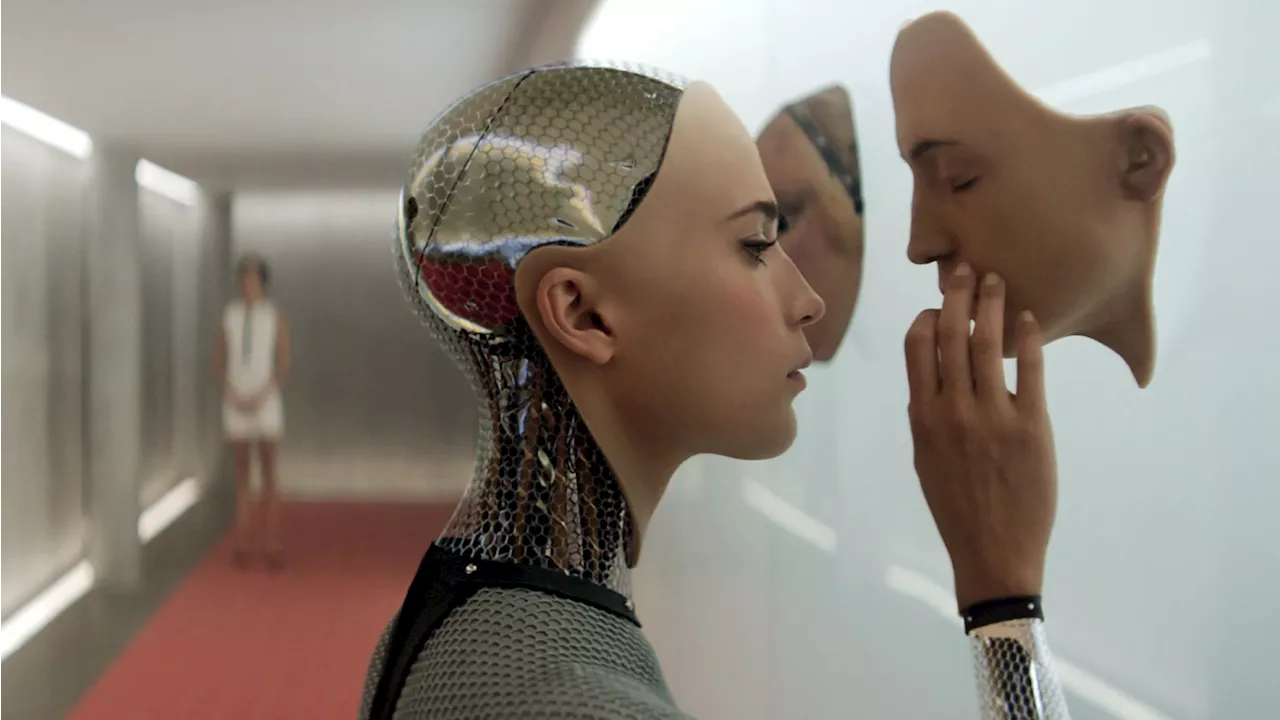
The plot centers on Caleb, a coder at a leading tech company, who wins a contest to spend time with the company’s enigmatic CEO, Nathan. During his visit, Caleb participates in a groundbreaking experiment involving Ava, a highly advanced AI. The film challenges viewers to consider what it means to be human, as Caleb interacts with Ava, evaluating her emotional depth and consciousness.
The performances of the lead actors, Domhnall Gleeson as Caleb and Oscar Isaac as Nathan, deliver a compelling dynamic. Gleeson portrays a socially awkward coder who becomes increasingly engrossed in his task, while Isaac embodies a self-centered genius whose motives become increasingly questionable. Their interactions drive the film’s tension and intrigue, making the narrative more gripping.
Alicia Vikander’s portrayal of Ava has also garnered significant attention. Her nuanced performance as a robot navigating human emotions and identity captivates audiences, adding layers to a familiar archetype in science fiction. The film’s exploration of these themes serves as a cautionary tale, urging viewers to reflect on the implications of rapid technological advancement.
Critical Acclaim and Lasting Legacy
Since its release, Garland’s film has gained status as an iconic piece of science fiction. It received an Oscar nomination for Best Original Screenplay, highlighting its narrative strength and originality. Critics have praised its effective resource management; despite a modest budget, Garland maximized its potential, receiving an Oscar for Best Visual Effects.
The film’s ability to raise thought-provoking questions about technology and humanity has contributed to its enduring appeal. As advancements in AI continue to evolve, the film’s message about the ethical dilemmas surrounding artificial intelligence remains crucial.
While Garland has since explored various projects, many still regard this film as a high point in his career. Its craftsmanship and storytelling serve as a benchmark for future filmmakers, emphasizing the importance of engaging narratives in cinema.
As audiences revisit this film through streaming platforms, its exploration of AI and human connection offers valuable insights into the intersection of technology and society. This profound narrative continues to captivate viewers, serving as a reminder of the importance of caution in the face of technological progress.