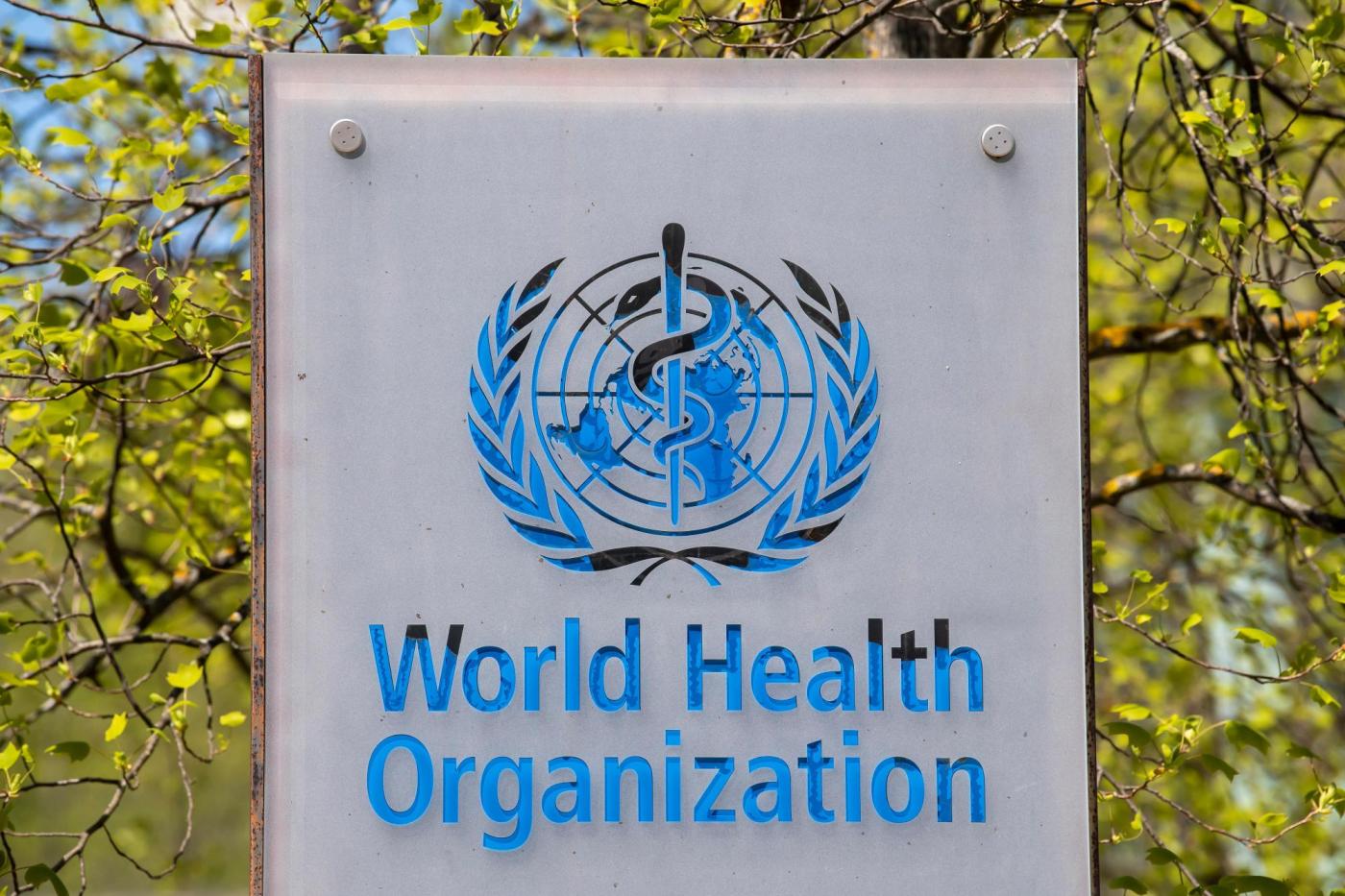
The United States has officially withdrawn from the World Health Organization (WHO), attributing the decision to the agency’s handling of the COVID-19 pandemic. This move comes after nearly eight decades of U.S. commitment to the organization. The announcement was made public on July 6, 2021, following a series of criticisms directed at the WHO for its perceived lack of reform, accountability, and transparency during the early stages of the pandemic.
U.S. officials emphasized that the WHO’s response was inadequate, stating, “The WHO delayed declaring a global public health emergency and a pandemic during the early stages of COVID-19, costing the world critical weeks as the virus spread.” They pointed to a pattern of behavior where WHO leadership allegedly praised the Chinese response to the outbreak, despite evidence suggesting early underreporting and delays in confirming human-to-human transmission.
Criticism of WHO’s Handling of the Pandemic
The criticisms extend to how the WHO managed information regarding asymptomatic transmission risks and airborne spread of the virus. In a joint statement, Secretary of Health and Human Services Robert F. Kennedy, Jr. and Secretary of State Marco Rubio condemned the organization, claiming it “pursued a politicized, bureaucratic agenda driven by nations hostile to American interests.” They further argued that such an agenda hindered timely information sharing that could have saved lives.
Following the withdrawal, U.S. officials indicated that the country would engage with the WHO solely to finalize its exit and ensure the safety of American citizens. The U.S. government currently owes the WHO over $130 million, a debt that remains unresolved. The Trump administration acknowledged the complexities involved in this withdrawal, particularly concerning access to critical global health data that informs early pandemic warnings.
Despite this withdrawal, the United States has been a significant contributor to the WHO, historically providing hundreds of millions of dollars and expertise through personnel. On average, the U.S. contributes $111 million annually in membership dues, along with approximately $570 million in voluntary contributions.
Future Directions for U.S. Global Health Engagement
In light of its withdrawal, the U.S. government stated its intention to maintain global health leadership through direct engagements with other countries, private sectors, non-governmental organizations, and faith-based entities. The administration noted that these efforts would focus on emergency response, biosecurity, and health innovation, prioritizing American interests while also delivering benefits to international partners.
This decision marks a significant shift in the U.S.’s approach to global health governance and raises questions about future collaborations in addressing global health challenges. As the international community continues to deal with the aftermath of the pandemic, the implications of this withdrawal will likely be scrutinized in the months and years to come.
The Associated Press contributed to this article.