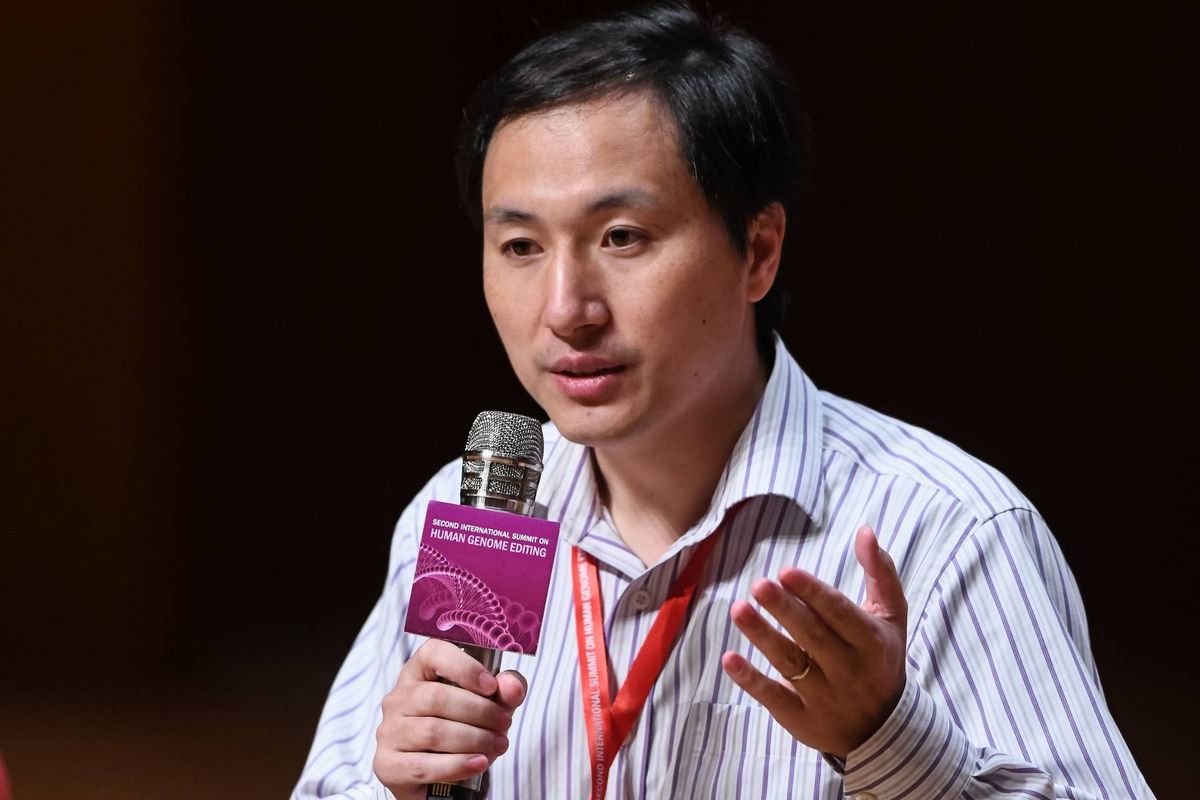
He Jiankui, the biophysicist known for creating the world’s first gene-edited babies, has been released from prison after serving a three-year sentence. Jiankui gained notoriety in 2018 for his controversial work, which involved editing the genomes of embryos to provide resistance to HIV. His actions sparked a global backlash regarding the ethical implications of gene editing, leading to his imprisonment by Chinese authorities for illegal medical practices.
Upon his release, Jiankui appears poised to resume his controversial research. He now aims to explore gene-editing techniques to combat Alzheimer’s disease, claiming he has identified a genetic mutation prevalent among Icelandic individuals who enjoy extended lifespans without developing the condition. While his intentions may seem altruistic, the methods he proposes involve germline editing, a practice that remains illegal in many countries due to ethical concerns.
Jiankui has indicated plans to initially test his theories on animals, as reported by the Daily Star. The prospect of human trials, however, presents more significant challenges. There is speculation that he may seek opportunities in South Africa, where germline gene editing was legalized last year, according to NewsBytes. This development could allow him to proceed with his controversial research under a more permissive regulatory framework.
The biophysicist’s initial claims about creating HIV-resistant babies were met with widespread condemnation. Jiankui presented his findings at a conference in November 2018 before undergoing the standard peer review process. The scientific community raised serious concerns about safety, informed consent, and the ethical ramifications of altering human embryos. Following the backlash, he was sentenced to three years in prison, a decision that underscored the serious legal and moral implications of his actions.
As scientific advancements continue in the field of gene editing, many researchers focus on somatic therapies that do not alter germline cells, thereby avoiding the ethical dilemmas associated with heritable changes. Such therapies are now gaining approval for treating serious diseases, highlighting a consensus in biomedicine: while gene editing holds promise for treating existing patients, editing embryos for reproductive purposes, especially to address complex diseases, remains highly contentious.
Jiankui’s renewed efforts in gene editing have reignited debates over the ethical boundaries of scientific research. As he moves forward, the global community remains watchful of his activities, balancing the potential benefits of gene editing against the moral and ethical considerations that have previously led to his imprisonment.