Minnesota’s state utility regulators have determined that burning municipal waste and wood can be classified as a carbon-free energy source under the state’s new clean energy law. This decision, made by the Minnesota Public Utilities Commission (PUC) during a contentious meeting on March 15, 2024, allows facilities that incinerate waste to qualify as carbon-free, amidst significant public outcry and protests.
The clean energy law, passed in 2023, mandates that all electricity generated in Minnesota must come from carbon-free sources by 2040. The legislation aimed to dramatically reduce the state’s greenhouse gas emissions, a key contributor to climate change. However, the law did not define which power sources would qualify as carbon-free, leaving that interpretation to the PUC.
Regulators held multiple hearings since the law’s enactment to clarify the implementation process. While renewable energy sources like wind and solar are clearly defined as carbon-free, the classification for facilities that burn municipal or biomass waste has been contentious. Critics argue that these methods produce significant greenhouse gases, even as they contend that incineration can be more environmentally beneficial than landfilling.
During the heated meeting, which saw interruptions from protesters, the commission ruled that facilities can be deemed carbon-free if they undergo a life-cycle analysis demonstrating that burning waste emits fewer greenhouse gases than alternative disposal methods. Commissioner Audrey Partridge provided an illustrative example involving a hypothetical Minnesota county. If burning damaged wood releases less carbon than allowing it to decompose, then it could be classified as carbon-free.
“If taking this waste and using it to generate electricity provides a climate benefit, then it should qualify,” Partridge stated, advocating for the decision.
Yet, this ruling has sparked considerable backlash. Environmental groups and attendees at the meeting expressed strong dissent, claiming that the PUC’s interpretation strays from the legislative intent. State Senator John Marty, a co-author of the clean energy bill, urged the commission to adhere strictly to the law’s wording, emphasizing that the legislation’s aim was clear and unambiguous.
Only about 2 percent of Minnesota’s electricity currently comes from biomass and waste incineration. Critics worry that this ruling could lead to an expansion of incineration facilities, thereby increasing overall greenhouse gas emissions. Hudson Kingston, legal director for the environmental group CURE, warned that transitioning coal plants to partially burn biomass would represent a significant regression from the goals set in 2023.
The utility company Minnesota Power is contemplating converting part of its Boswell coal-fired plant to biomass once it ceases coal operations in 2035. A spokesperson highlighted the importance of this facility for addressing storm debris and maintaining energy reliability.
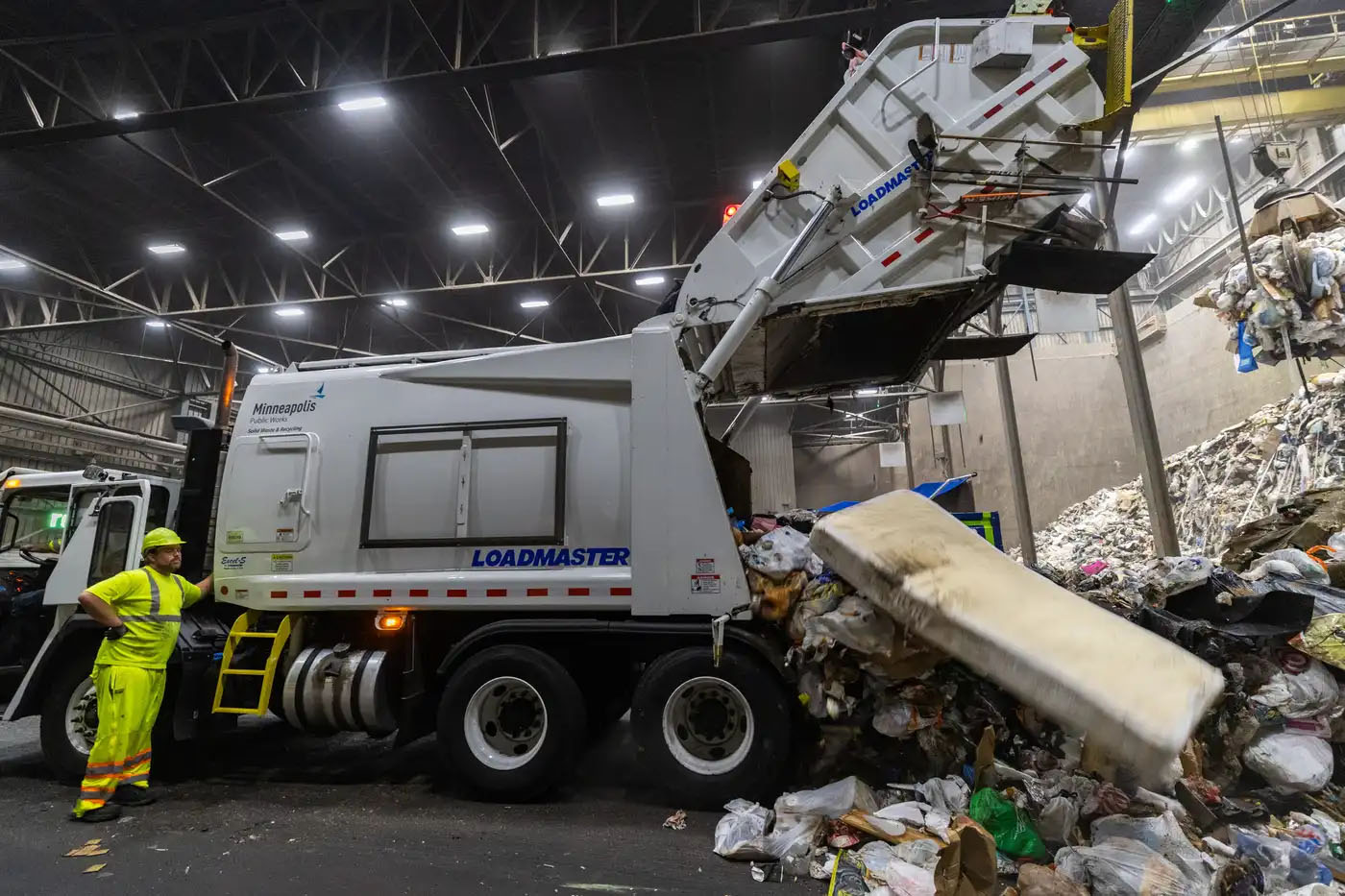
As the decision unfolds, implications for the Hennepin Energy Recovery Center (HERC), a controversial waste incinerator in Minneapolis, remain unclear. While PUC commissioners noted that the legislature has determined that energy produced at HERC cannot be classified as carbon-free, community advocates worry that the ruling does not explicitly prohibit the burning of trash at this facility.
Nazir Khan from the Zero Burn Coalition expressed skepticism about the PUC’s commitment to environmental regulations, stating, “We don’t have any faith. What we would have to see is an explicit removal of HERC.”
The decision is likely to face legal challenges. The Minnesota Center for Environmental Advocacy, which has previously litigated on similar issues, is currently assessing its options following the PUC’s ruling. The ongoing discourse around this decision underscores the complexities of balancing energy needs with environmental responsibility in Minnesota’s transition towards a sustainable energy future.