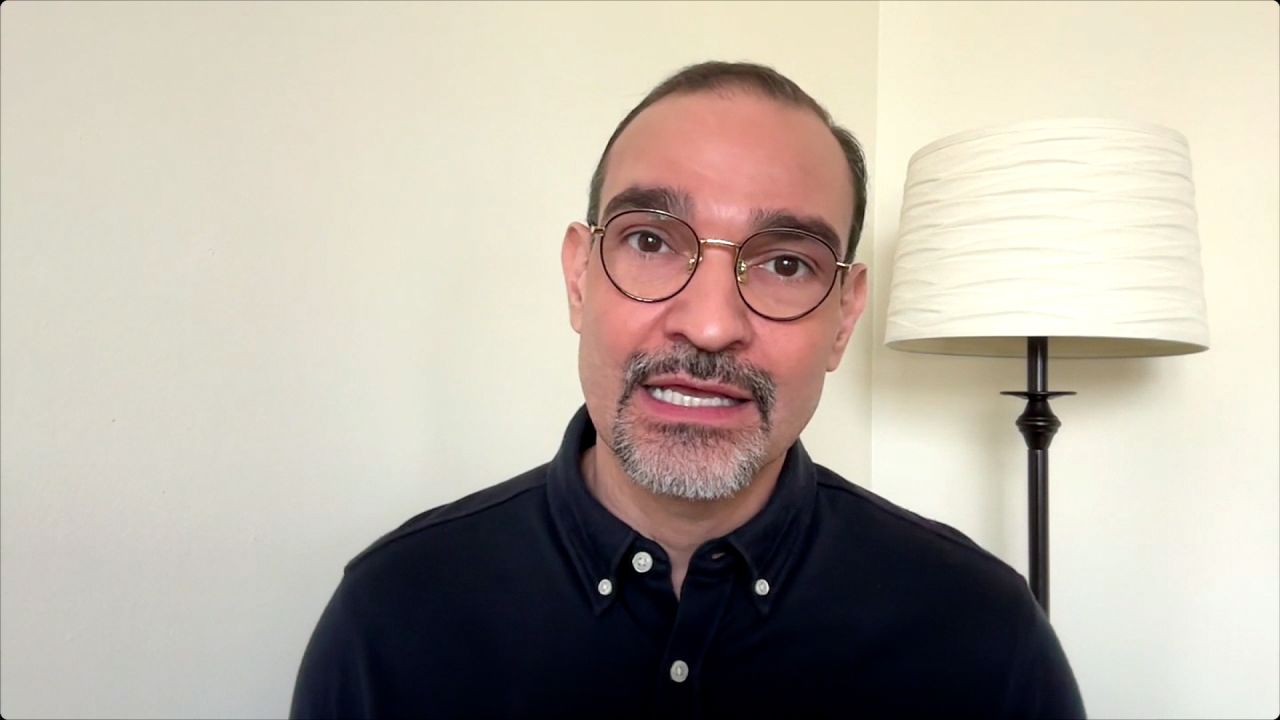
The Pentagon has announced a pause in initial training for military recruits living with HIV, prompting strong criticism from activists. Javier Muñoz, a prominent HIV/AIDS activist and Broadway actor, condemned the decision as a message “rooted in bigotry and discrimination.” His remarks were made during an interview with CNN’s Danny Freeman.
The Pentagon’s order halts the training of recruits who are HIV-positive, despite advancements in medical treatment that allow individuals with the virus to lead healthy lives. Muñoz emphasized that such a policy not only stigmatizes those living with HIV but also fails to acknowledge the progress in HIV care and treatment.
According to the Centers for Disease Control and Prevention (CDC), nearly 1.2 million people in the United States are living with HIV. The decision to restrict military service based on HIV status has reignited discussions about discrimination within the armed forces. Muñoz pointed out that the military’s policies must evolve to reflect current medical understanding and societal attitudes towards HIV.
Activism and Advocacy
Muñoz has been a vocal advocate for HIV awareness and stigma reduction. He argued that the Pentagon’s stance contradicts efforts to normalize the conversation around HIV and to support those affected by it. “This decision sends a damaging message to those who are living with HIV,” he stated.
The actor’s activism is informed by his personal experiences and the broader community’s ongoing battle against discrimination. He noted that policies like the Pentagon’s can discourage individuals from seeking treatment or disclosing their status for fear of repercussions.
The military has historically faced scrutiny regarding its treatment of service members with HIV. Prior to the recent pause, there had been discussions within the Defense Department about lifting restrictions on HIV-positive recruits. This latest decision raises questions about the military’s commitment to inclusivity and support for all service members.
A Call for Change
Muñoz urges the Pentagon to reconsider its policies in light of scientific advancements. He advocates for a more inclusive approach that aligns with the realities of living with HIV today. “We need to focus on education and understanding rather than exclusion,” he said.
As discussions continue, the impact of the Pentagon’s decision reverberates through the community, highlighting the need for ongoing advocacy. Activists like Muñoz remain steadfast in their commitment to fighting discrimination and promoting equal opportunities for all individuals, regardless of their health status.
The Pentagon has not yet issued a public response to Muñoz’s comments or to the broader implications of its policy on HIV-positive recruits. As the debate unfolds, the advocacy for a more inclusive military continues to gain momentum, with voices like Muñoz’s leading the charge.