In a recent statement, former United States President Donald Trump suggested that his interest in acquiring Greenland was linked to his disappointment in not receiving a Nobel Prize. This assertion has sparked a wave of diplomatic activity among European capitals, particularly in Denmark, as tensions rise over the world’s largest island.
Trump’s comments, made during a private gathering, indicated that he believed securing Greenland could have enhanced his chances of winning the prestigious award. “If I had gotten Greenland, I would have gotten the Nobel Prize,” he reportedly claimed. This unusual connection has left diplomats and government officials in Copenhagen scrambling to address the implications of Trump’s remarks.
Diplomatic Tensions Rise
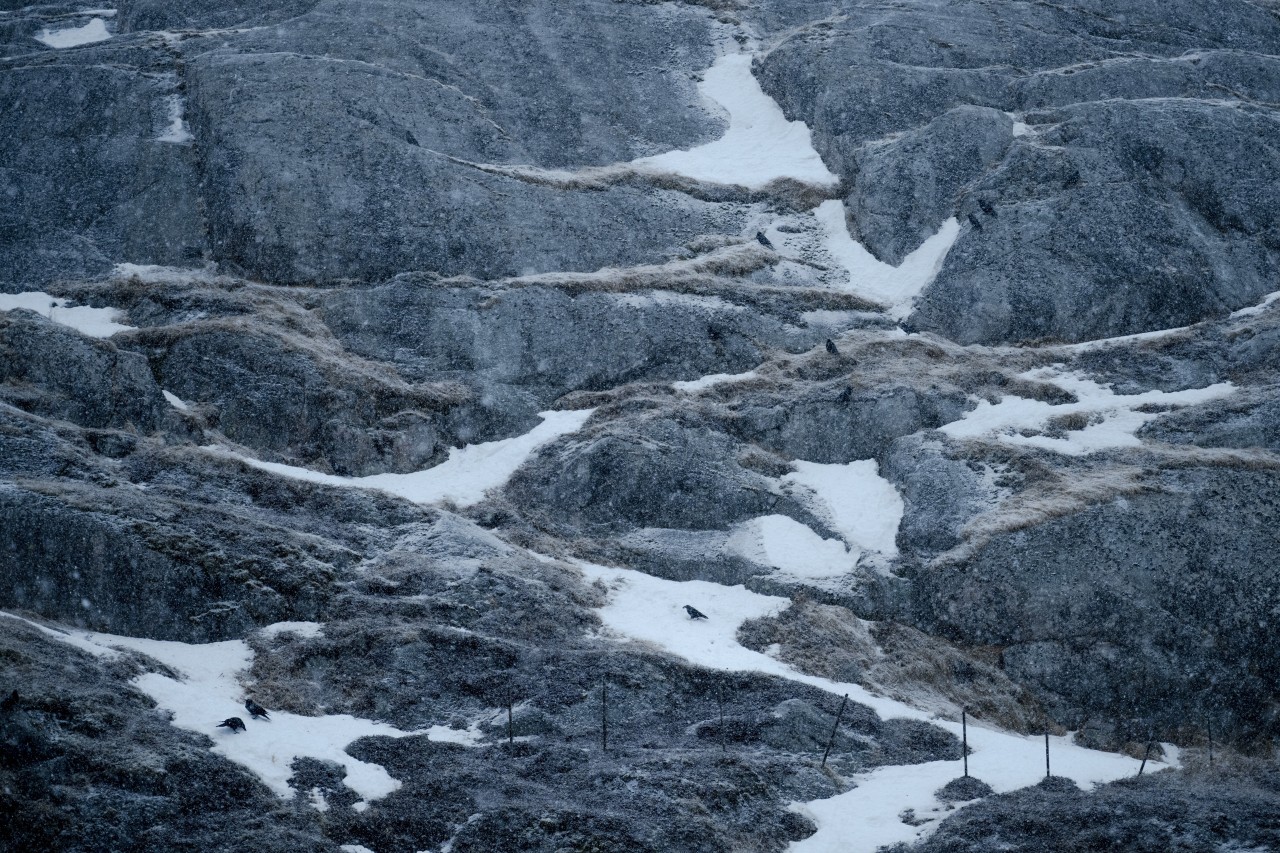
The former president’s statements come at a time when Greenland’s geopolitical significance is increasingly recognized. The island, which is an autonomous territory of Denmark, is rich in resources and strategically located between North America and Europe. Trump’s interest in Greenland first surfaced in August 2019, when he proposed purchasing the territory, a suggestion that was met with firm rejection from the Danish government.
In response to Trump’s recent comments, Danish Prime Minister Mette Frederiksen reaffirmed her country’s commitment to maintaining Greenland’s autonomy. “Greenland is not for sale,” she stated emphatically, emphasizing the island’s right to self-determination. The Danish government has since engaged in talks with Greenland’s government to further clarify their stance on the matter, aiming to prevent any misunderstanding that may arise from Trump’s remarks.
Global Reactions and Implications
International responses to Trump’s comments have varied, with some viewing them as a reflection of his unique approach to foreign policy. Analysts point out that the idea of purchasing Greenland aligns with Trump’s history of unconventional diplomatic proposals. While some may dismiss his statements as mere rhetoric, others see potential ramifications for US-Denmark relations.
Experts have expressed concern that such comments could exacerbate existing tensions, particularly as the Arctic region becomes increasingly important due to climate change and resource accessibility. The possibility of conflict over territorial claims in the Arctic has already drawn attention from global powers, including Russia and China, making diplomatic sensitivity crucial.
As European capitals continue to navigate this situation, the focus remains on maintaining constructive dialogue. The discussions surrounding Greenland’s future will likely become a focal point in international relations, especially as the world grapples with the geopolitical implications of climate change and resource management.
In conclusion, Trump’s linkage of Greenland to his Nobel aspirations has ignited a diplomatic firestorm, compelling European leaders to respond swiftly. The unfolding situation underscores the complexities of international diplomacy and the potential consequences of statements made by influential figures. As the world watches, the reactions from Denmark and Greenland will play a significant role in shaping future relations.