Flu cases in Pennsylvania have seen a decline following a spike during the holiday season, but health officials warn that the risk of illness remains significant. According to the Pennsylvania Department of Health, flu cases rose sharply around Thanksgiving, peaking in early January 2024 with over 14,500 reported cases for the week ending January 6. By the following week, the numbers decreased to just under 10,500 cases, indicating a temporary easing of the situation.
Local Impact and Hospitalizations
In Berks County, health experts observed similar trends. Dr. Debra Powell, chief of the division of infectious disease at Reading Hospital, noted, “After the holidays, we definitely saw cases go up. The good news is, we saw a peak last week and the numbers have come back down.” Hospitalizations at Reading Hospital decreased from 40 patients the previous week to 20 last week, reflecting a positive shift.
Dr. Rutul Dalal, medical director for infectious diseases at Penn State Health St. Joseph Medical Center, echoed these observations, stating that respiratory viruses, including COVID-19 and RSV, also surged during the holiday period. He highlighted that the stretch from December 23 to New Year’s Day was particularly severe, with flu cases exceeding the totals from the previous two seasons.
One contributing factor to the high number of flu cases this season is the prevalent strain, Influenza A, which was not included in this year’s vaccine. “It came from Europe and emerged after the vaccine was already formulated,” Dr. Dalal explained. Current data indicates that over 90% of flu cases are linked to this A substrain, with 9,956 cases of flu A and only 514 cases of flu B reported for the week ending January 10.
Continued Vigilance Required
Despite the recent decline in cases, both Dr. Powell and Dr. Dalal cautioned that the flu season is not over. “We’re not out of the woods yet,” Dr. Powell stated, emphasizing that flu season typically extends through March and sometimes even into April. Dr. Dalal added that health experts anticipate another increase in cases in the coming weeks.
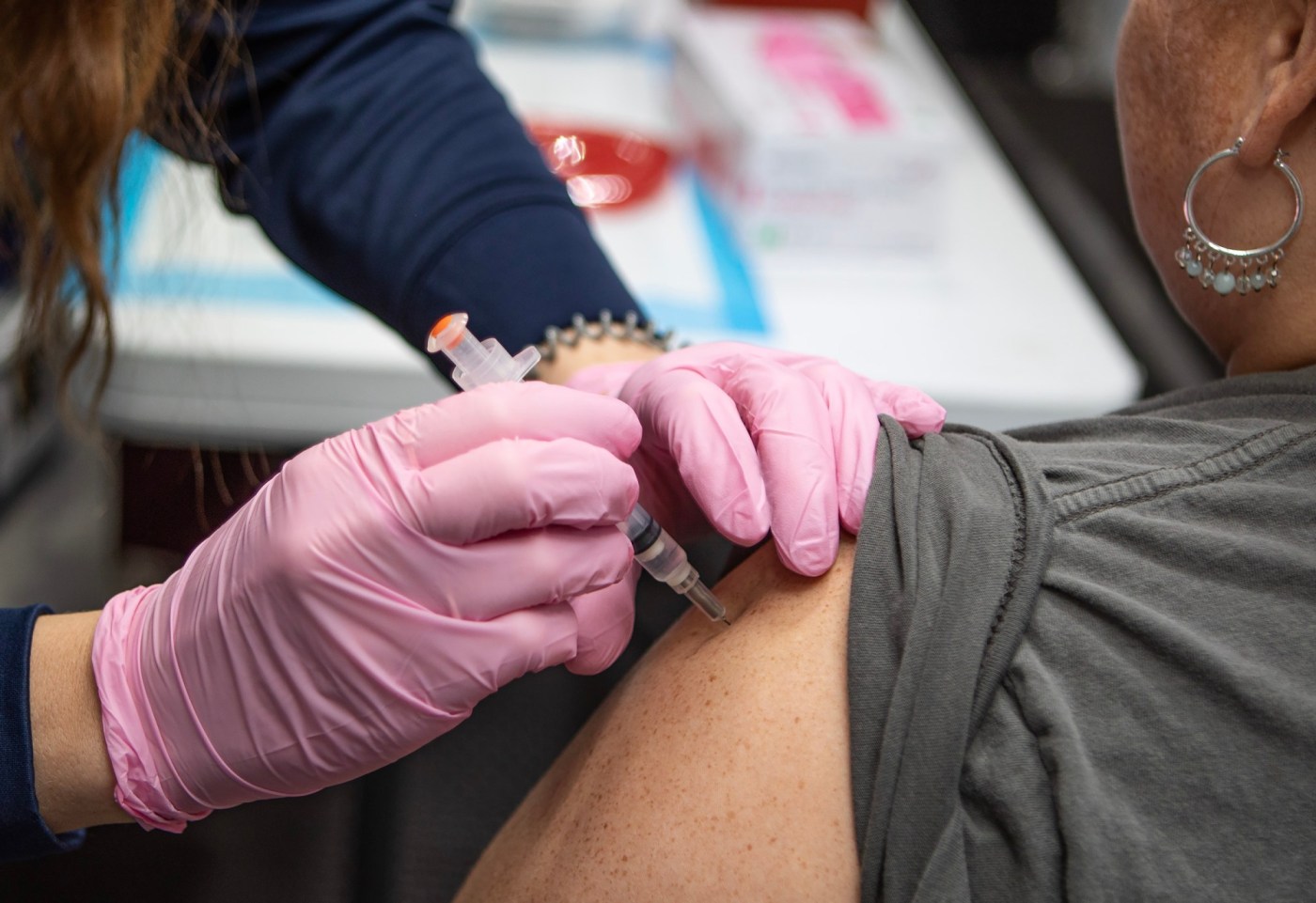
To mitigate risks, both physicians recommend continued vigilance. They urge individuals who have not yet received the flu vaccine to do so promptly, as it still offers substantial protection against severe symptoms, especially from other subtypes. “The flu shot isn’t a perfect match, but it does provide some protection from hospitalization,” Dr. Powell noted.
Dr. Dalal also emphasized that individuals should consider getting vaccinated at least two weeks before any planned family gatherings or travel, particularly for those in high-risk categories.
In addition to vaccination, Dr. Powell and Dr. Dalal advise practicing good hygiene, such as frequent handwashing, covering mouths and noses when sneezing or coughing, and maintaining distance from others when sick. “If you’re sick, stay home,” Dr. Powell emphasized. They also recommended using sanitizing wipes on frequently touched surfaces and stocking up on flu tests to determine if individuals are infected.
For real-time updates on flu data, residents are encouraged to visit the Pennsylvania Department of Health’s website or the U.S. Centers for Disease Control and Prevention’s site.