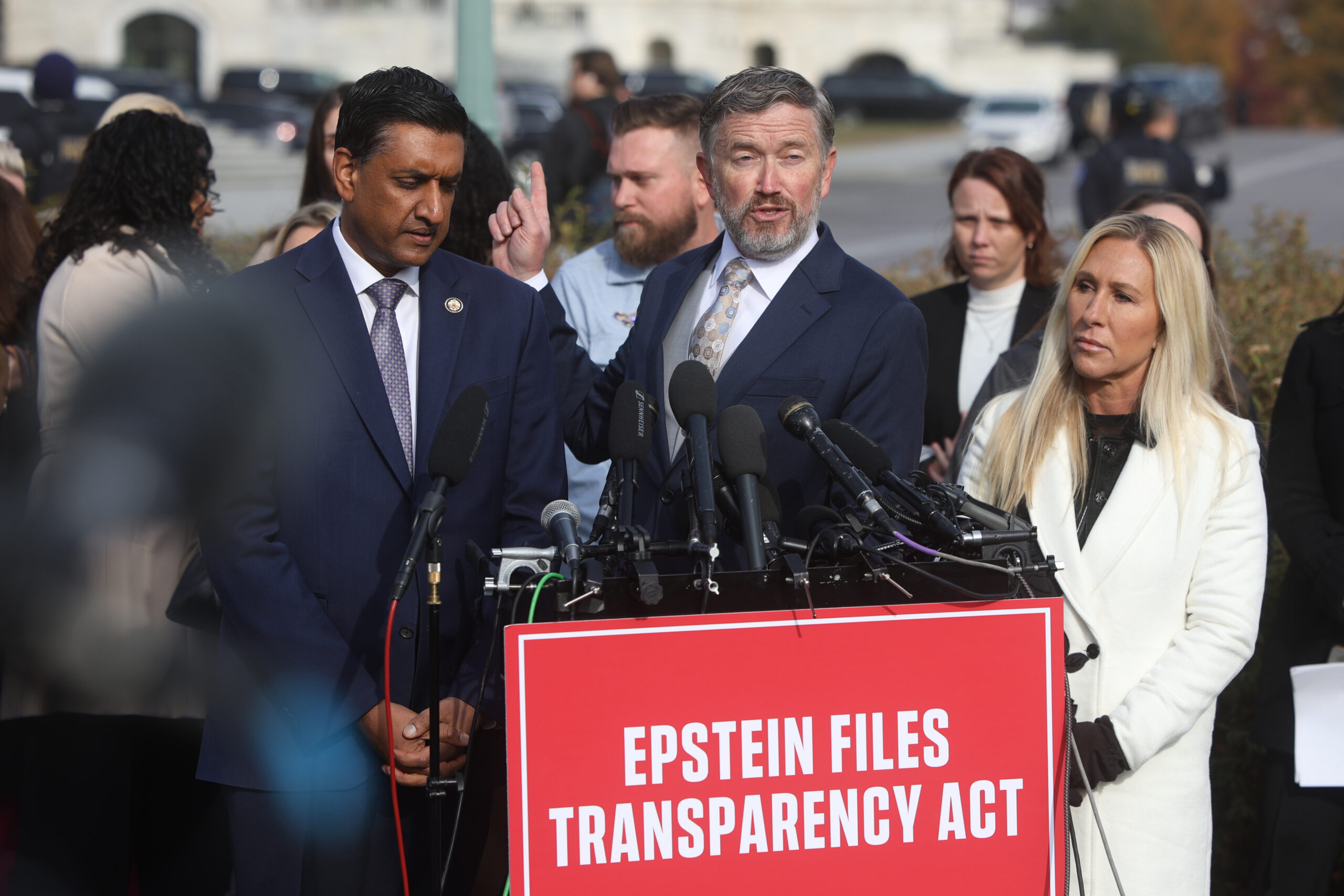
The Justice Department missed its deadline to release all materials related to the Jeffrey Epstein case on September 9, 2023. In the aftermath, many Republicans in Congress are showing a lack of interest in the situation, which marks a significant departure from previous calls for transparency.
While some lawmakers had previously expressed urgency regarding the release of documents tied to Epstein’s alleged crimes, the recent inaction appears to have dampened their enthusiasm. A month after the deadline, the silence from key Republican figures indicates a shift in priorities.
Republican Response to Epstein Case Diminishes
Initially, the Epstein case generated considerable attention, particularly given the high-profile individuals linked to the financier. However, as time has passed, Republican leaders have largely refrained from pressing the Justice Department for updates or accountability.
Previously, the House Judiciary Committee had shown interest in the release of these files, believing they could shed light on Epstein’s network and the failures of various institutions. Yet, now many prominent Republicans are seemingly stepping back from the issue. Some congressional members have even suggested that the matter is “no longer in our hands,” indicating a willingness to let it fade from public discourse.
Critics view this disengagement as a troubling signal. The Epstein case, which has implications for numerous powerful figures, raises questions about accountability and transparency in governance. As the Justice Department continues to withhold critical information, the lack of political pressure from Congress could allow the issue to slip further from focus.
Public Sentiment and Future Actions
The general public remains concerned about the handling of Epstein’s case and the potential implications of the missing documents. Advocacy groups and citizens have called for greater accountability from both the Justice Department and Congress.
Experts argue that the absence of pressure from lawmakers may embolden the Justice Department to delay further releases. This sentiment is echoed by various watchdog organizations that have consistently urged for transparency in high-profile investigations.
As the situation unfolds, the trajectory of the Epstein case will likely depend on public interest and any potential shifts within Congress. If lawmakers choose to re-engage with the issue, they may influence the Justice Department’s actions regarding the release of the remaining files.
With the clock ticking, the future of the Epstein investigation remains uncertain, and the political landscape surrounding it could change rapidly. For now, the lack of urgency among Republicans may present challenges to those seeking justice for Epstein’s alleged victims and accountability for those involved.