A recent study has uncovered the intricate processes involved in fermenting ‘Nam Hom’ coconut cider, highlighting how the choice of yeast influences aroma, flavor, and bioactive compounds. The research, led by Kriskamol Na Jom at Kasetsart University, was published in the journal Beverage Plant Research on March 17, 2025. It demonstrates the potential for transforming the naturally sweet and aromatic coconut water into a shelf-stable beverage with desirable sensory qualities.
The study addresses a significant challenge faced by coconut water producers: its short shelf life due to rapid deterioration. By fermenting the water into cider, producers can create a low-alcohol drink while enhancing its commercial viability. Much like wine and apple cider, yeast plays a pivotal role in this fermentation process, influencing sugar metabolism and the production of alcohol and aromatic compounds.
Researchers employed a comprehensive approach, combining physicochemical monitoring with large-scale metabolomics and flavoromics data. They investigated the fermentation of ‘Nam Hom’ coconut cider using two different commercial yeast strains, K1-V1116 and EC-1118. Through this method, they tracked the fermentation’s dynamics and aroma formation while utilizing multivariate statistics to analyze the results.
Understanding the Fermentation Process
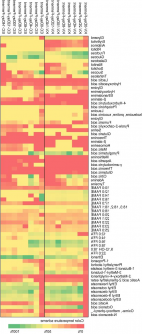
The findings revealed that fermentation occurs in three distinct stages: pre-fermentation, in-process, and the final product. Principal component analysis indicated that the fermentation process explained a remarkable 83.76% of the total variance in the data. The study identified a total of 152 metabolite peaks, with 64 of those being characterized, alongside 16 volatile flavor compounds.
Throughout the fermentation process, the basic kinetics were similar for both yeast strains. Brix levels and reducing sugars declined steadily, while the pH decreased slightly, indicating rising acidity. Alcohol content increased significantly, reaching approximately 7–8%, which aligns with typical cider ranges. Notably, there was no evidence of lactic acid bacterial contamination.
The research also provided insights into the specific changes that occur during fermentation. Initial samples showed high sugar concentrations, while mid-fermentation samples were linked to the release and utilization of primary amino compounds by yeast. The final product was characterized by the presence of fruity volatiles, particularly ethyl esters such as ethyl octanoate and ethyl 9-decanoate.
Implications for Coconut Cider Production
Metabolomics revealed a progressive depletion of sugars into ethanol and other metabolites. Byproducts such as glycerol, which is a normal outcome of yeast fermentation, were found to increase, alongside stable citric and lactic acids. A slight rise in malic acid was also observed, further confirming the clean nature of the fermentation process.
Amino acids, including leucine and isoleucine, increased in both yeast strains, aligning with the metabolic pathways associated with pyruvate and acetyl-CoA cycling. Lipid analysis indicated a decrease in fatty acid methyl esters, while free fatty acids, particularly lauric and stearic acids, accumulated more in the fermentation involving K1-V1116.
Flavor analysis highlighted the significance of esters as the primary aroma contributors. The strain EC-1118 produced a more pronounced fruity profile due to its higher abundance of ethyl esters. Correlation networks illustrated strong connections between sugars, ethanol, and esters, as well as between amino acids and flavor compounds. These findings underscore the coordinated metabolic pathways that can be manipulated to enhance both the aroma and bioactive composition of coconut cider.
The study serves as a practical guide for coconut cider producers, revealing that both yeast strains can yield successful results, albeit with distinct advantages. K1-V1116 is particularly effective at enhancing aroma and ester production, while EC-1118 supports a robust fermentation process with a cleaner, more pronounced fruity profile. By carefully selecting yeast strains and managing fermentation time, producers can tailor the flavor profiles of their products, ranging from dry and clean to fruity and aromatic, all while preserving beneficial bioactive compounds.
In conclusion, this research not only sheds light on the fermentation of ‘Nam Hom’ coconut cider but also opens up new avenues for the development of value-added coconut beverages in the market. The potential for creating diverse flavor profiles presents exciting opportunities for producers aiming to expand their offerings in the growing sector of fermented coconut drinks.