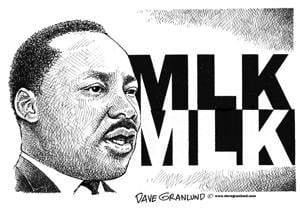
Celebrated on the third Monday of January, Martin Luther King Jr. Day invites reflection on the civil rights leader’s legacy. Observed as a federal holiday in the United States, the day often manifests in ceremonies, community service, and educational events. However, many argue that the essence of King’s message extends beyond mere acknowledgment; it demands active engagement in social justice.
The day traditionally marks the closure of schools and offices across the nation, and many people participate in various events. These gatherings typically feature speeches, volunteer opportunities, and discussions centered on King’s vision for equality and justice. Yet, as the holiday passes, the urgency of his message risks fading into routine.
Moving Beyond Commemorations
King’s life and work were dedicated to fighting racial injustice and advocating for civil rights. His assassination on April 4, 1968, was a tragic event that left a profound mark on American society. While the holiday serves to honor his contributions, critics suggest that simply sharing quotes on social media or attending events is insufficient. They emphasize the importance of translating those words into actionable change.
Activists and community leaders argue that a true tribute to King’s legacy should involve ongoing efforts to address systemic inequalities. Dr. King envisioned a society where individuals are judged by their character rather than the color of their skin. In light of this, many advocate for sustained initiatives that combat racism, promote economic equity, and ensure access to education and healthcare for marginalized communities.
Calls for Collective Responsibility
As the nation reflects on King’s impact, there is a growing call for collective responsibility. Discussions often center around how individuals and organizations can contribute to meaningful change. This could involve supporting local businesses, engaging in community service, or advocating for policies that promote social justice.
The challenge lies in maintaining momentum beyond the holiday. While the day serves as a reminder of King’s teachings, it is essential for individuals to consider how they can incorporate his principles into their daily lives.
In conclusion, while Martin Luther King Jr. Day provides a valuable opportunity for reflection and remembrance, it is vital to honor his legacy through ongoing action. By committing to the principles of equality and justice, society can strive to fulfill the vision that King championed, ensuring that his contributions are not relegated to a single day of observance.