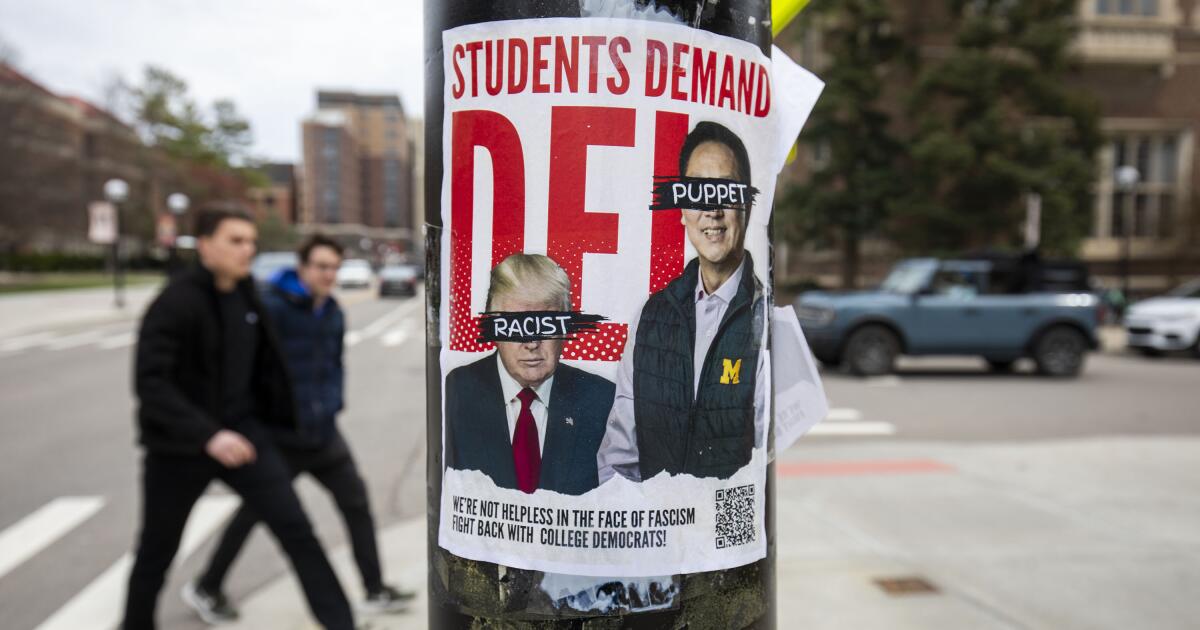
The ongoing debate surrounding diversity, equity, and inclusion (DEI) in various sectors has intensified, with some leaders advocating for a return to a merit-based system. Recent executive orders from the President emphasize the restoration of “meritocracy” and “merit-based opportunity,” framing DEI initiatives as detrimental to these ideals. This perspective has garnered support from figures such as Secretary of Defense Pete Hegseth, who criticized inclusive practices as “toxic ideological garbage” in favor of a strict merit-only approach.
The anti-DEI rhetoric echoes sentiments from activists and authors like Heather Mac Donald, who asserts, “At present, you can have diversity, or you can have meritocracy. You cannot have both.” In a notable shift, the chief executive of Scale AI proposed replacing DEI with MEI (merit, excellence, and intelligence), a notion that Elon Musk endorsed as “great.”
Despite the push against DEI, scholars advocate for a nuanced understanding of merit, arguing that it should remain a priority in admissions, hiring, and promotions. They contend that the need for diversity, equity, and inclusion arises from a historical context where assessments based on criteria other than merit—such as racism, sexism, nepotism, and other forms of favoritism—have prevailed. The call for a clearer connection between merit and equal opportunity remains critical in the public discourse.
Some advocates for diversity initiatives express skepticism about the term “merit,” suggesting it is linked to a biased system favoring dominant groups. Research indicates that perceptions of merit can shift based on racial dynamics. A study found that when white Californians perceived Black students as competition for college slots, they emphasized the importance of high school grade-point averages. Conversely, when they viewed Asian American students as the main competitors, this emphasis diminished, highlighting how biases influence assessment criteria.
Critics further argue that the markers of merit are often unearned, as family connections and wealth can skew opportunities. A separate study illustrated that hiring decisions deemed merit-based were viewed as less fair when it was revealed that candidates lacked equal access to resources. These findings compel advocates to consider how merit and fairness can coexist, especially when evaluating potential.
Philosopher Michael Sandel raises concerns about the pressures of a meritocratic system, which can create anxiety and a toxic competitive environment. He notes the “meritocratic imperative” fosters a sense of failure among those who do not succeed while reinforcing a self-congratulatory attitude among winners. This dynamic can lead to societal divisions, as those perceived as “losers” grow resentful, and “winners” develop a tolerance for inequality.
Despite these critiques, the argument for merit remains compelling, particularly in contexts where specialized skills are essential. Society benefits from the assurance that professionals, such as doctors and pilots, have undergone rigorous training and assessment. This reliance on merit-based systems helps maintain trust in critical societal functions.
To address the critiques of merit, advocates suggest that diversity can enhance merit rather than oppose it. For example, research shows that Black patients experience better outcomes when treated by Black physicians, and diverse teams often yield more innovative solutions. Recognizing these intersections can lead to a more equitable approach to merit.
Moreover, evaluating merit should not eclipse humanity or potential. In educational settings, all children should have access regardless of perceived intelligence or abilities. Hospitals should prioritize treatment based on need rather than meritocratic qualifications. Athletic organizations often differentiate between competitive leagues and those emphasizing participation and enjoyment, showcasing that merit should not dominate every aspect of life.
The cultural debate surrounding DEI and merit is ongoing, with implications for policy and public perception. Advocates for a more inclusive society can reclaim the concept of merit from its detractors by framing it in a way that underscores fairness and opportunity.
In Michigan, Erin Byrnes, a Democratic state lawmaker, highlighted the potential for merit-based legislation to dismantle “the old boys’ club” while promoting equality. Her response to the recent passing of a bill requiring state agencies to prioritize merit in hiring illustrates this strategy: “House Republicans in Michigan voted yes on a DEI bill. I love that for them.”
As the conversation continues, the challenge lies in finding a balance that acknowledges the importance of merit while promoting a more inclusive society. By embracing a broader understanding of merit and its relationship with diversity, equity, and inclusion, a more equitable future may be possible.