UPDATE: A new climate bill in Massachusetts is igniting fierce debate over potential restrictions on personal vehicle use. State Senator Cynthia Stone Creem, D-Newton, has introduced “An Act Aligning the Commonwealth’s Transportation Plan with its Mandates and Goals for Reducing Emissions and Vehicle Miles Traveled,” aiming to meet state climate objectives. However, the bill’s implications have raised concerns about governmental overreach into daily driving habits.
The legislation, which has been described as a significant step toward reducing emissions, has met criticism for its underlying goal of limiting how far residents can drive. Supporters argue it promotes public transportation options and targets heavily polluting cars, but critics fear it will infringe on personal freedoms.
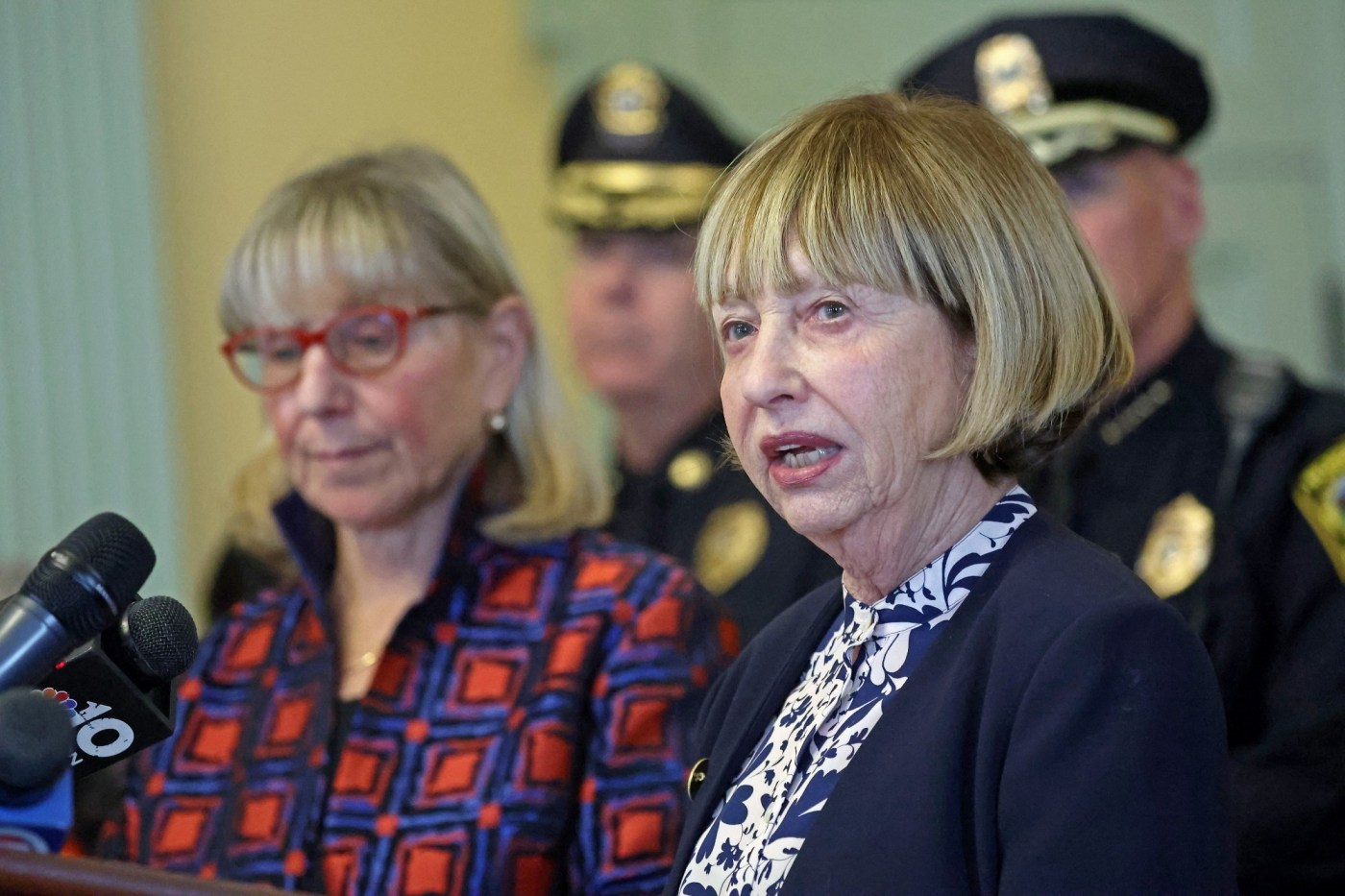
In a statement to the Boston Herald, Senator Stone Creem emphasized, “The purpose of the Freedom to Move Act is to ensure that we are investing in all transportation options—both roads and highways and cleaner alternatives like trains and buses.” She insists that the bill does not impose penalties on drivers and actually expands transportation choices.
However, the bill mandates that the Massachusetts Department of Transportation (MassDOT) set specific goals for reducing the total number of miles driven by residents. According to the legislation’s summary, MassDOT will be required to consider these goals when establishing greenhouse gas emissions limits.
Critically, the bill could prevent MassDOT from approving regional transportation plans that do not align with the set vehicle miles traveled reduction goals. Observers note this potentially limits local autonomy in transportation planning.
At a recent hearing before the Joint Committee on Telecommunications, Utilities and Energy, the bill’s supporters hailed it as vital for bridging the gap between climate goals and transportation strategies. Analyst Kevin Shannon from the Union of Concerned Scientists stated, “The bill would fill a necessary gap between our climate goals and the transportation plans the state makes every year.”
The timing of this legislative push is crucial. Many businesses have adapted to hybrid work models post-COVID-19, significantly reducing vehicle miles. A survey by the Greater Boston Chamber of Commerce found that 85% of local businesses now embrace hybrid work, with employees typically in the office only three days a week. This shift has led to a 15.1% commercial vacancy rate in Boston as of the third quarter of 2025, up 114% from pre-COVID levels.
Concerns have also emerged regarding equity. State Senator Michael Barrett, a co-chair of the committee, warned that limiting vehicle miles could disproportionately impact rural residents who rely more on personal vehicles for longer commutes. “I do worry about an unintended and subtle bias against rural Massachusetts,” Barrett noted.
Stone Creem addressed these concerns by stating the bill allows for “regional flexibility,” yet the implications of such limits on driving freedoms remain contentious. Observers stress that the ongoing changes in work habits and transportation patterns due to the pandemic must be taken into account.
As the debate continues, the future of personal vehicle usage in Massachusetts hangs in the balance. Lawmakers, environmental advocates, and residents alike are watching closely to see how this legislation unfolds and what it could mean for daily life in the state.
Stay tuned for more updates on this developing story as it impacts residents and their daily commutes.