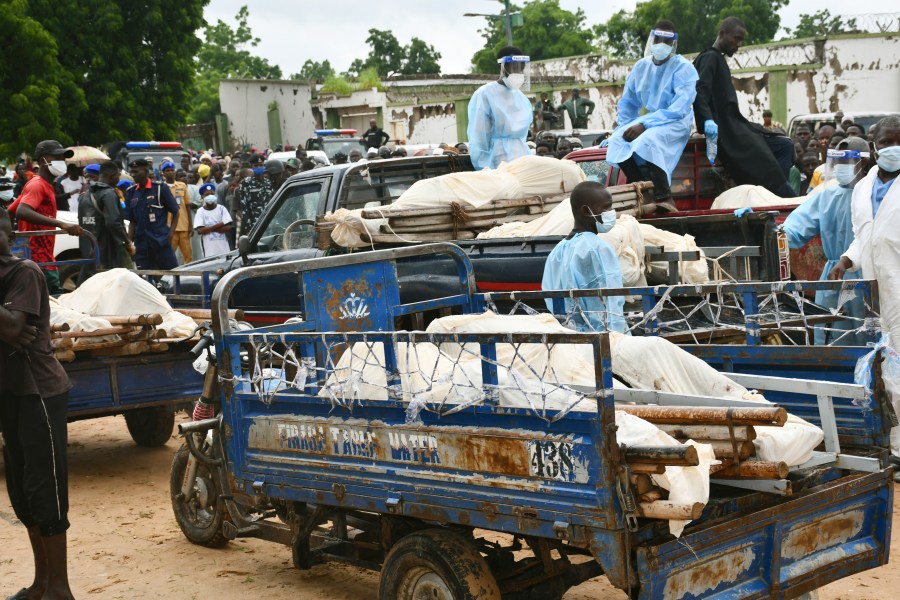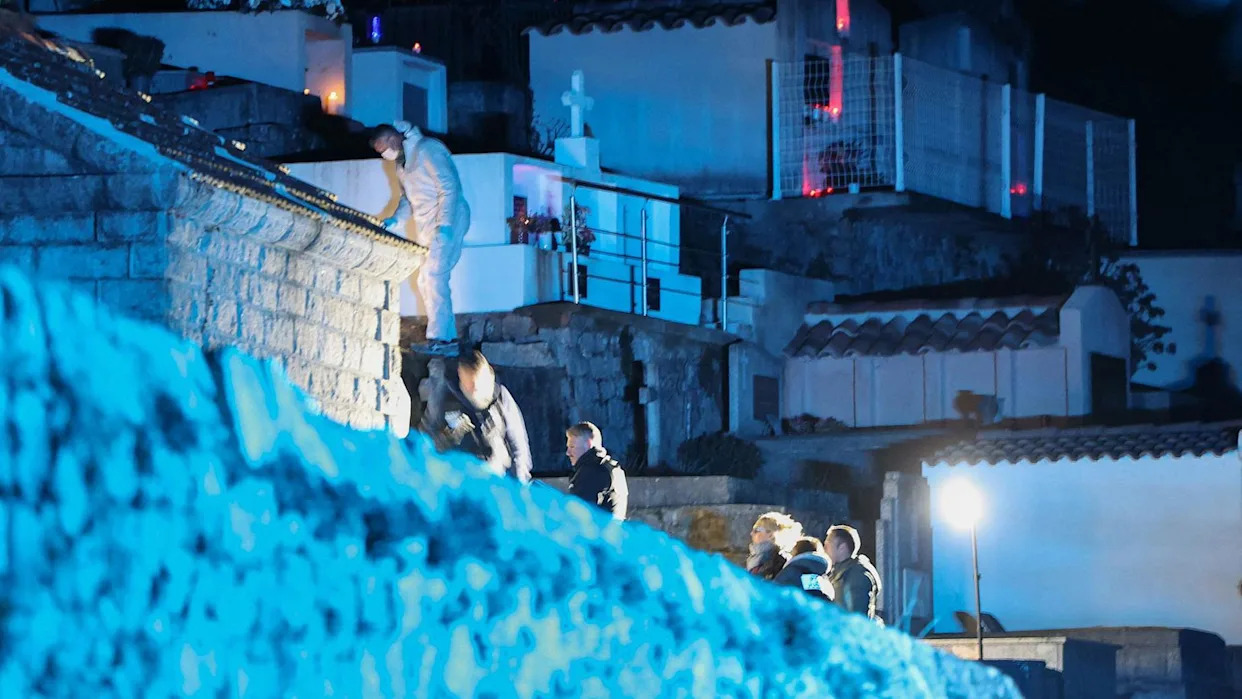
Mourners gathered in the small village of Vero, Corsica, on March 7, 2024, to pay their respects to former nationalist leader Alain Orsoni, who was shot dead during his mother’s funeral. Orsoni, 71, had returned from exile in Nicaragua to honor his mother’s passing when a shot rang out from nearby scrubland, striking him fatally. This incident marks a significant escalation in the violence that has plagued the island, known for its long history of vendettas.
Over the past three years, Corsica has experienced a troubling rise in violent crime, with 35 murders reported on the island, which has a population of approximately 350,000. Residents have become accustomed to a cycle of violence, yet the brazen nature of Orsoni’s killing has shocked many. Close friend Jo Peraldi, who attended the funeral, expressed disbelief at the desecration of a sacred space. “A cemetery is sacred in Corsica, just like a church. Never have I witnessed seeing someone murdered while accompanying their mother to their final resting place,” he stated during an interview with Corsican radio.
Orsoni’s funeral took place under heavy police presence in Ajaccio, the island’s capital. His cousin, Christian Leca, described the murder as a “tipping point in the horror,” emphasizing the unacceptable nature of violence in such a setting. The killing reflects a broader trend in Corsican society, where the shift from nationalist movements to organized crime has intensified.
According to Thierry Dominici, an expert on Corsican nationalism from the University of Bordeaux, the landscape of violence has transformed significantly. He noted that once armed groups sought autonomy from France, they transitioned into organized crime, exploiting the lack of oversight from authorities. “The French state was so focused on tackling the separatists that it turned a blind eye to their lucrative criminal activities,” Dominici explained to the BBC.
The investigation into Orsoni’s murder is being led by judges in Paris specializing in organized crime, in collaboration with the regional prosecutor’s office in Marseille. Gilles Simeoni, president of Corsica’s regional authority, emphasized the gravity of the situation, stating, “This murder increases the mafia pressure that weighs heavily on Corsican society.” Orsoni was a significant figure in Corsican nationalism, both overtly and behind the scenes, and his death resonates far beyond the island.
The Orsoni family has been intertwined with Corsican nationalism for decades. Alain Orsoni himself was previously imprisoned for his involvement in bomb attacks aimed at pressuring the French government for greater autonomy for Corsica. His brother was killed by rival factions in 1983, and his son is currently incarcerated for drug trafficking and attempted murder. This legacy of violence has contributed to a complex web of vendettas that continue to plague the region.
In the wake of these events, renowned criminologist Alain Bauer warned of the potential for further violence. “That Alain Orsoni was killed does not surprise me; it was just a question of when, not if,” he remarked. The manner of his assassination, particularly in a graveyard, has raised alarms about the future of public safety in Corsica.
Efforts to advocate for peace have emerged, notably from Cardinal François Bustillo, the bishop of Ajaccio. He has called for an end to the cycle of violence, urging the community to reject the mentality of retribution. “We mustn’t get used to this eye-for-an-eye, tooth-for-a-tooth violence. We cannot allow Corsica to drift towards its demons; we have to change mentalities,” Bustillo stated, highlighting the need for a cultural shift in response to ongoing violence.
As investigations continue and the island grapples with the implications of Orsoni’s death, many wonder whether the calls for peace will resonate within a community long accustomed to bloodshed. The tragic events surrounding the funeral serve as a stark reminder of the pervasive violence that threatens to overshadow Corsica’s idyllic image.