NASA is testing a blockchain-based system designed to enhance the security of flight data and protect air traffic management from evolving cyber threats. This initiative focuses on ensuring the reliability and transparency of data exchanged between aircraft and ground stations.
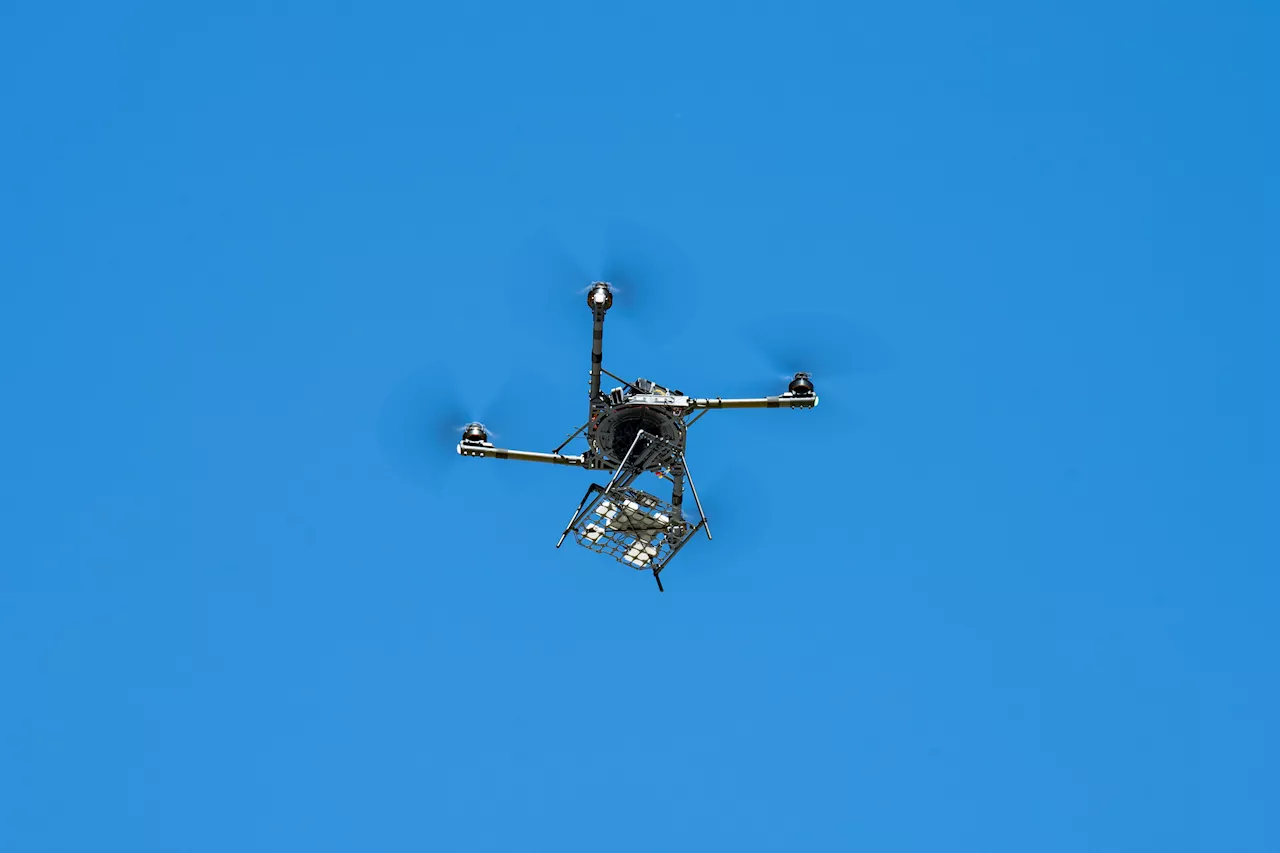
At the Ames Research Center in California’s Silicon Valley, NASA researchers conducted a flight test using an Alta-X drone equipped with a custom-built simulated Unmanned Aircraft Systems payload. This test aims to demonstrate how a blockchain framework can safeguard critical aviation data, thereby preventing unauthorized access or manipulation.
As the aviation sector faces increasing cyber threats, maintaining trust in data is paramount. The blockchain system offers a decentralized database that records and verifies every change to data sets, ensuring that information remains secure and accurate. While current systems have proven effective in protecting flight data, the need for innovative solutions is clear.
During the August 2023 test flight, researchers monitored the flow of telemetry from both actual and simulated flights. Key personnel, including Terrence D. Lewis, Kale Dunlap, and Aidan Jones, ensured that the blockchain system processed and recorded data accurately. The use of drones enabled the team to explore various applications of the blockchain framework in aviation development, including autonomous air traffic management and urban air mobility.
This technology allows real-time sharing and storage of essential information, such as aircraft operator registration details and flight plans, while restricting access to trusted users only. To further assess the system’s resilience, researchers implemented cybersecurity tests designed to improve and reinforce security protocols in airspace environments.
The successful demonstration involved an Alta-X drone operating in real-world conditions, complete with a separate ground control station and the necessary blockchain infrastructure. As the testing progresses, NASA anticipates that the insights gained will benefit U.S. aviation stakeholders seeking advanced tools to enhance operational safety and efficiency.
The overarching goal of this research falls within NASA’s Air Traffic Management and Safety project, which aims to transform air traffic management systems to accommodate the increasing demand for new air vehicles. This project is part of NASA’s Airspace Operations and Safety Program, focused on enabling safe and efficient aviation operations that serve the public and industry alike.
As the data collected from these tests is analyzed, NASA will continue to refine its approach to integrating blockchain technology into aviation systems, paving the way for a more secure and trusted airspace ecosystem.