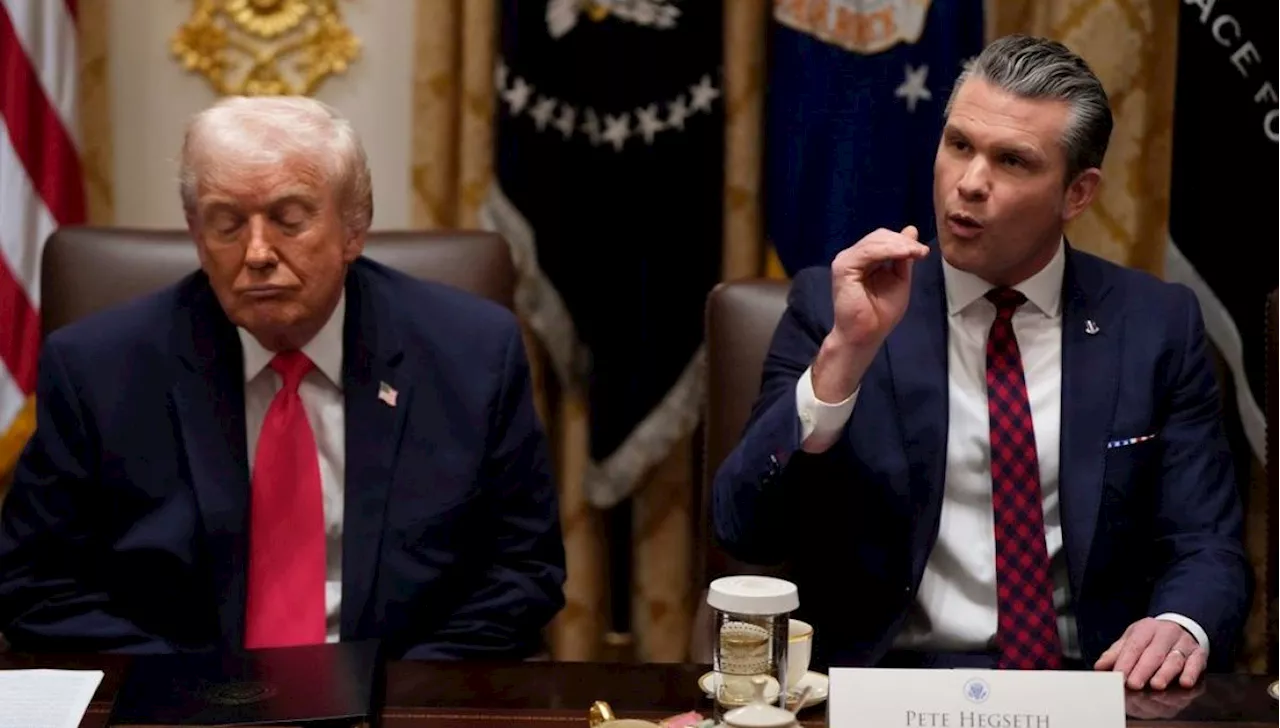
In a significant escalation of rhetoric, President Donald Trump has threatened to invoke the Insurrection Act in response to ongoing protests in Minneapolis. These demonstrations, sparked by the death of George Floyd in police custody, have intensified in recent days, leading to widespread unrest across the city.
The Insurrection Act, a law that allows the president to deploy military forces domestically, has not been used since the 1992 Los Angeles riots. Trump’s remarks came during a press briefing on June 1, 2020, where he stated that he would “send in the National Guard” if local authorities were unable to restore order. This announcement has sparked a heated debate about the balance between maintaining public safety and protecting citizens’ rights to protest.
Protests, which began as peaceful demonstrations, have seen instances of violence and property damage, prompting a response from local law enforcement. Over the weekend, some protesters clashed with police, leading to a curfew imposed by city officials. The situation has escalated tensions within the community and raised concerns about the potential for further violence.
Many local leaders and civil rights advocates have expressed alarm over Trump’s suggested actions. They argue that invoking the Insurrection Act would exacerbate tensions rather than resolve the underlying issues of systemic racism and police brutality. Local authorities have called for a focus on dialogue and reform rather than military intervention.
As protests continue, the National Guard has already been activated in several states, including Minnesota, to assist local law enforcement. The deployment reflects a growing concern among officials about the potential for unrest to spread beyond Minneapolis.
In a statement, Minneapolis Mayor Jacob Frey emphasized the need for a peaceful resolution, stating, “We need to listen to the voices of our community and address their concerns head-on.” His comments highlight a shifting strategy among some local leaders who are advocating for reform rather than heavy-handed policing.
The situation remains fluid, with protests expected to continue in the coming days. The eyes of the nation are on Minneapolis as the events unfold, raising critical questions about civil rights, public safety, and the role of federal intervention in local matters. As discussions progress, the potential implications of these actions could resonate far beyond the streets of Minneapolis, impacting communities nationwide.