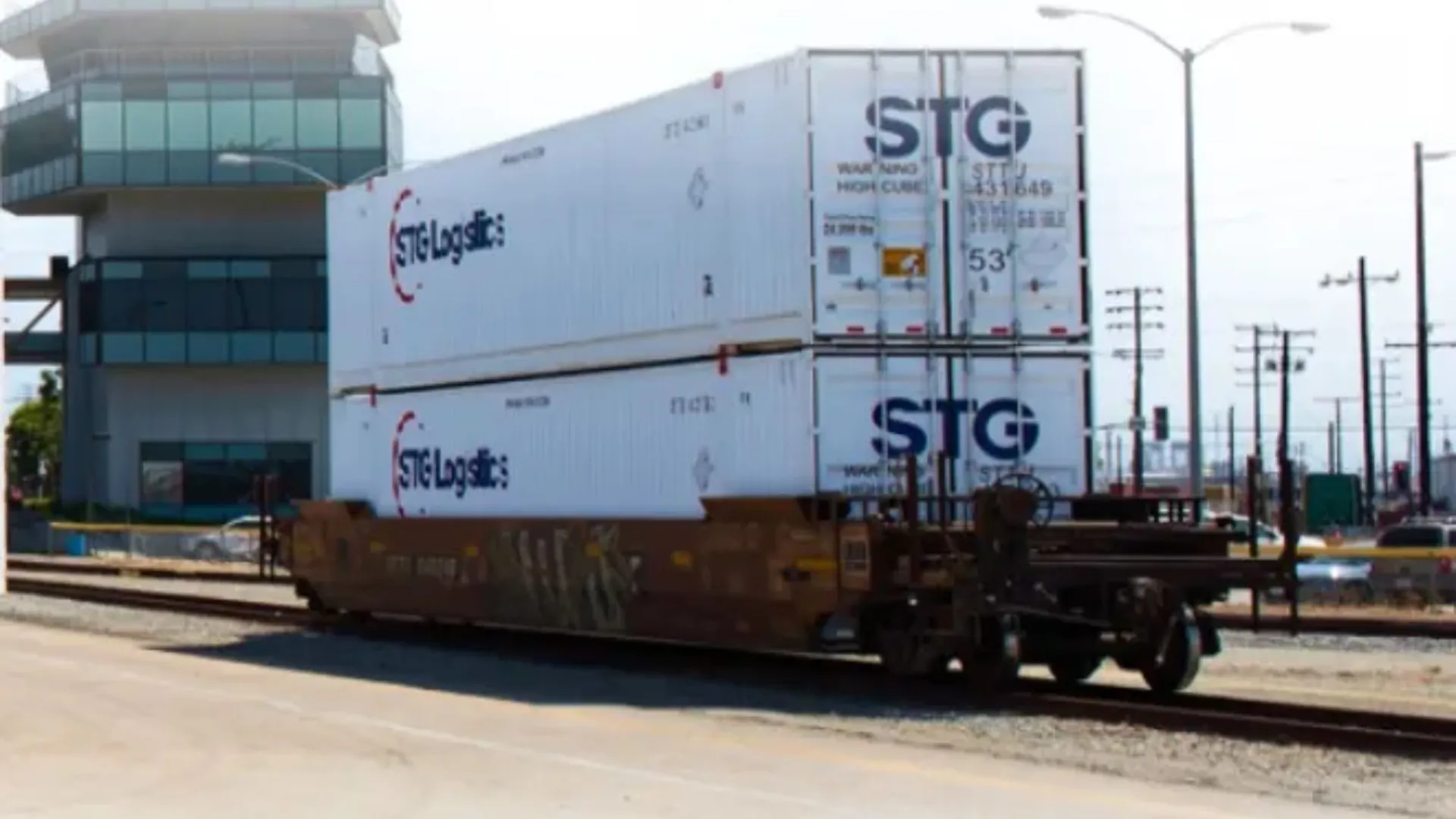
A significant shift in the shipping landscape has culminated in the bankruptcy filing of STG Logistics Inc., a legacy trucking firm established in 1985. The company sought Chapter 11 protection on Monday in the U.S. Bankruptcy Court for the District of New Jersey, burdened by approximately $1.16 billion in debt. This move is largely attributed to the ongoing “great freight recession,” which has persisted since March 2022, following a peak in revenue during the COVID-19 pandemic.
STG Logistics is recognized as North America’s largest provider of port-to-door shipping services and supply chain solutions. The company’s financial predicament highlights the challenges faced by the trucking industry, particularly as major retailers like Dollar General and Home Depot initiate significant changes in their shipping strategies. These retailers have begun establishing private in-house fleets, which now account for a historic 70% of all outbound shipments in the United States, according to STG’s bankruptcy declaration.
In a statement addressing the filing, STG Logistics CEO Geoff Anderman emphasized the importance of this decision. “Today’s announcement marks an important milestone in our efforts to strengthen STG amidst one of the most severe freight recessions in history,” he stated. He expressed confidence that the Chapter 11 process would position the company for future growth and success.
Factors contributing to STG’s struggles include softening freight demand and excess capacity in the market. Chief Financial Officer Tyler Holtgreven noted that these elements have significantly impacted the company’s operations. Additionally, external challenges such as rising inflation, increased insurance rates, and tariffs implemented during the presidency of Donald Trump have further exacerbated the situation. The tariffs reportedly led to a 14% year-over-year decline in import volumes during the second half of 2025, with STG experiencing a 7% decrease compared to the previous year.
The repercussions of STG Logistics’ bankruptcy extend beyond the company itself. The decision serves as a stark indicator of broader trends in the shipping industry, where established players face mounting pressure from changing market dynamics and the evolving landscape of retail logistics. As STG navigates the complexities of its Chapter 11 filing, the implications for employees, stakeholders, and the wider industry remain to be seen.
STG Logistics has not provided immediate comment regarding the bankruptcy filing to media outlets. The developments highlight a critical juncture for the company and the freight sector as a whole, as it grapples with significant shifts in supply chain management and market demand.