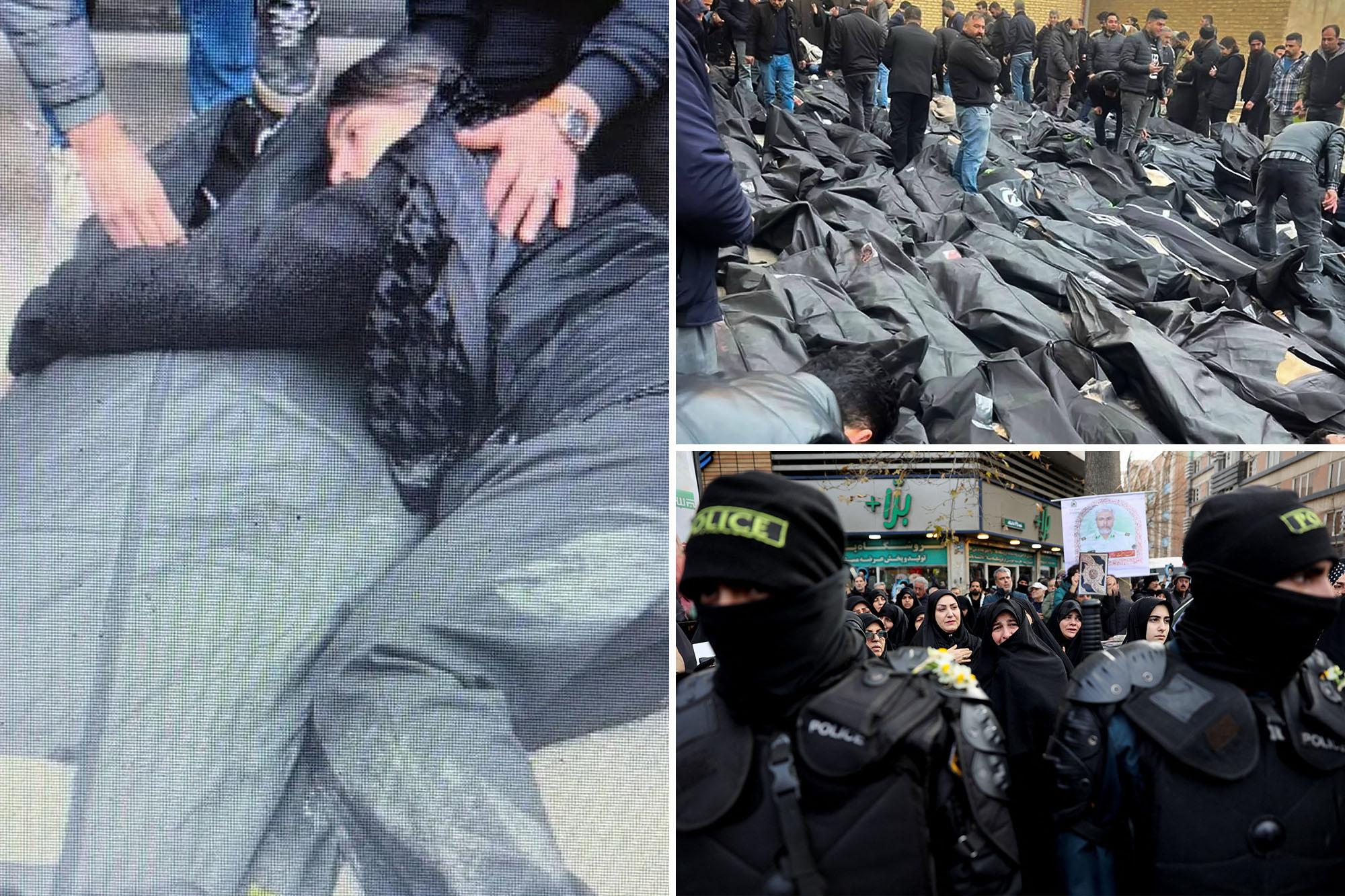
Reports indicate a dire situation in Iran as healthcare professionals face overwhelming exhaustion while treating numerous injured protesters. As violence escalates, hospitals are inundated with casualties, prompting many doctors to collapse from fatigue. This alarming crisis is occurring amid a severe crackdown on anti-government demonstrations led by the regime of Ayatollah Ali Khamenei.
Medical workers throughout Iran have communicated their distress via Starlink internet connections, revealing a healthcare system on the brink of collapse. According to The Telegraph, physicians are working around the clock, with little to no rest, as they attempt to manage the influx of wounded individuals. One doctor near Tehran described the harrowing scenes: “Dead bodies and injured people – men, women and children – are arriving in trucks, ambulances, and private cars.”
The situation in hospitals has become increasingly grim. Medical staff are overwhelmed, with reports of doctors collapsing due to exhaustion. Many are reluctant to stop working, fearing that doing so would lead to more fatalities. “We cannot help everyone. Many died because we could not even visit them,” one medical professional lamented. “Our staff are exhausted. I have not slept for days.”
The extent of the violence is shocking. The death toll has reportedly surged into the thousands, with estimates ranging from over 2,000 to as many as 20,000 fatalities, according to the Human Rights Activists News Agency. Among those confirmed dead is Rebin Moradi, a 17-year-old local soccer star, who was reportedly shot by government forces. His family has not yet received his body, as confirmed by the human rights organization Hengaw.
In addition to the overwhelming number of casualties, disturbing video footage shows bullet-ridden bodies piled up in overcrowded hospitals. Doctors are forced to perform CPR in hallways due to a lack of available space. The situation is compounded by reports of government forces storming a hospital in Ilam to arrest injured protesters and remove corpses, allegedly to obscure evidence of mass killings.
International tensions are escalating as well. Following the regime’s actions against protesters, US President Donald Trump has indicated that direct intervention may be considered, especially after he halted negotiations with Iran. Trump has threatened “very strong action” against the Iranian regime, particularly in response to the treatment of anti-government protesters.
The situation in Iran is urgent and evolving, with healthcare professionals on the frontline of a humanitarian crisis. As protests continue and the regime’s response remains brutal, the need for international attention and action is increasingly critical.