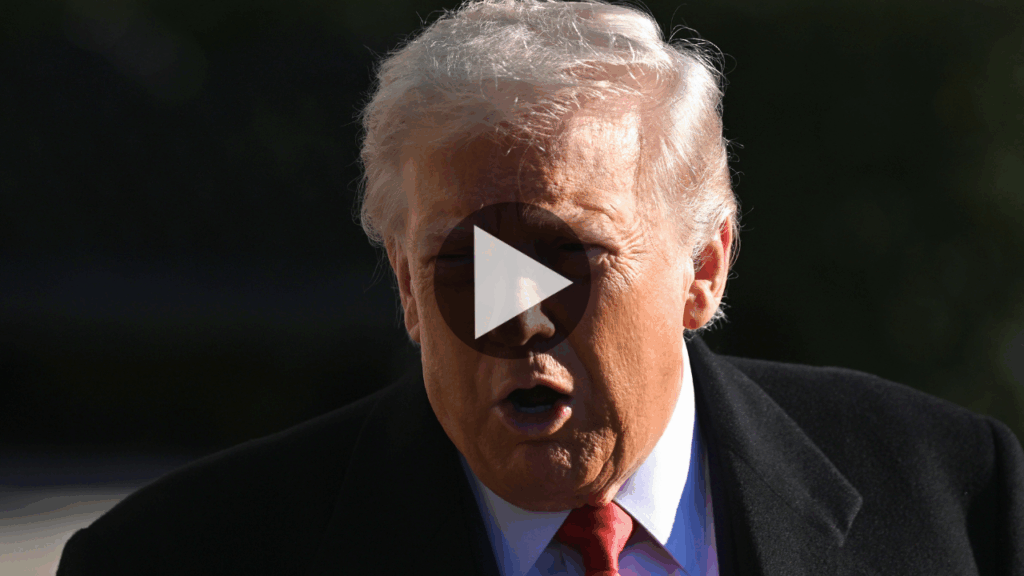
Former President Donald Trump has publicly criticized major defense firms, demanding that they expedite the production of military equipment. His remarks, made during a speech on August 15, 2023, highlight growing frustration over the delays in delivering critical defense supplies amid increasing global tensions.
Trump’s comments came as the U.S. faces ongoing challenges in national security. He emphasized that defense contractors must prioritize the needs of the military, particularly in light of heightened geopolitical risks. “It’s time for these companies to step up their production capabilities,” he stated, underscoring the urgency of the matter.
Concerns Over Military Readiness
During his address, Trump pointed to specific examples of delays in military procurement that he believes could jeopardize U.S. military readiness. He noted that the Pentagon has reported significant backlogs in orders for essential equipment, including advanced weaponry and vehicles. The former president called for an overhaul of the current procurement process, arguing that it should be more responsive to the dynamic nature of modern warfare.
The frustration is not isolated to Trump. Lawmakers in Congress have also expressed concerns about the pace of production from defense contractors. Both Democratic and Republican leaders have indicated that swift action is needed to ensure that the military is adequately equipped to face emerging threats.
Trump’s remarks resonate with calls for increased accountability within the defense industry. As military spending continues to rise, the expectation for timely delivery of products has become paramount. The U.S. government allocated approximately $800 billion for defense in 2023, with a significant portion designated for procurement.
Industry Response and Future Implications
In response to Trump’s criticism, industry representatives have defended their production schedules, citing supply chain disruptions and labor shortages as contributing factors to the delays. Major defense firms, including Lockheed Martin and Raytheon Technologies, have assured the government that they are working diligently to meet production targets.
The implications of Trump’s demands could lead to a significant shift in how defense contracts are managed. If his calls for faster production resonate with lawmakers, it may result in new regulations aimed at streamlining the procurement process. This could enhance military readiness but may also raise concerns about quality control and oversight.
Critics argue that rushing production could compromise the safety and effectiveness of military equipment. Balancing speed with quality will be a crucial challenge for both the defense industry and the government moving forward.
As the international landscape continues to evolve, the pressure on defense firms to deliver quickly and efficiently is likely to increase. Trump’s intervention in this ongoing debate underscores the critical relationship between the government and the defense sector, highlighting the essential role of timely production in maintaining national security.
The future of military procurement remains uncertain, but one thing is clear: the dialogue around defense production is intensifying, with significant implications for both industry and government.