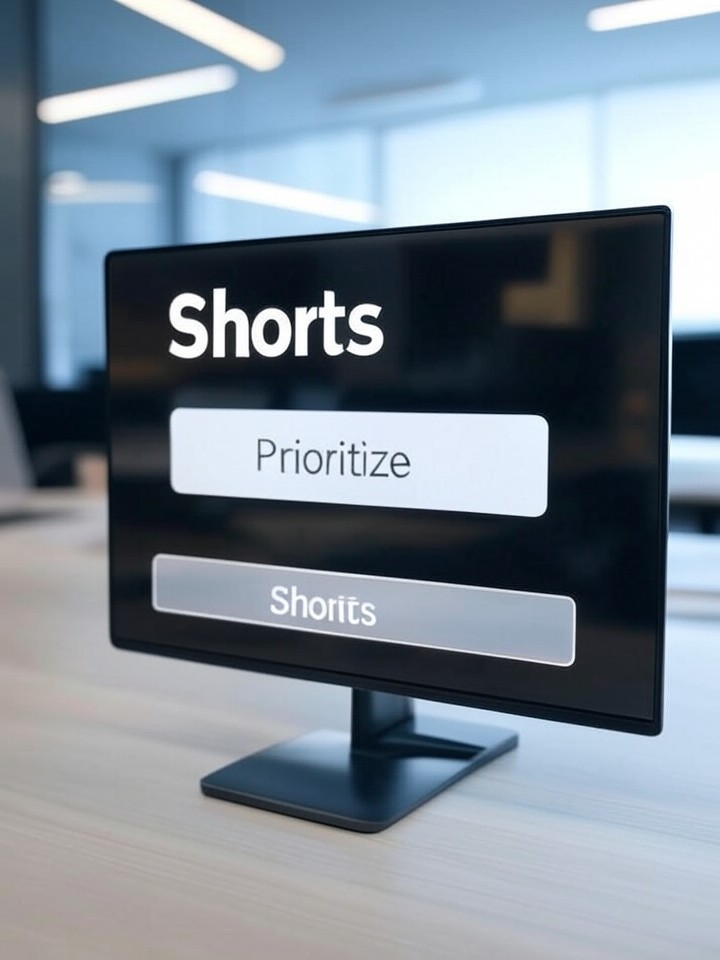
YouTube has revamped its search functionality in early 2026, introducing significant changes aimed at improving content discovery for users. The updates focus on refining search filters, with the most notable addition being a dedicated Shorts filter. This enhancement allows users to specifically seek out or exclude short-form videos from their search results, addressing frustrations surrounding the overwhelming amount of content available on the platform.
The new features also include a rebranding of the “Sort by” menu to “Prioritize,” a change that seeks to guide users toward more intuitive search options. While familiar choices like “Most relevant” and “Upload date” remain, the platform has removed less frequently used filters such as “View count.” This simplification aims to enhance user satisfaction by promoting engagement with content that aligns more closely with search intent rather than just popularity metrics.
Redefining User Experience with Enhanced Filters
The introduction of the Shorts filter under the “Type” menu reflects the growing distinction between short-form and long-form content on YouTube. According to a post on the YouTube Community forum, users can now easily toggle between Shorts, long videos, live streams, and playlists. For creators focusing on detailed tutorials or analyses, this change could lead to reduced competition from attention-grabbing Shorts, thereby increasing watch times and improving algorithmic favor.
The decision to rename and remove filters is not merely cosmetic. As highlighted by Business Standard, the “Prioritize” menu emphasizes relevance and recency, phasing out metrics that might favor established channels over newer creators. This could create a more level playing field, allowing smaller creators to gain visibility based on the quality of their content rather than its viral appeal.
Moreover, these adjustments align with YouTube’s ongoing algorithm refinements. A guide from SocialBee indicates that the 2026 algorithm prioritizes viewer satisfaction signals such as watch time and engagement over raw view counts. By making search filters more user-friendly, YouTube encourages users to interact in ways that provide positive data feedback to the system, thus creating a beneficial cycle of better recommendations.
Impact on Creators and Content Strategies
Digging deeper into the 2026 updates, these changes represent years of evolution in YouTube’s algorithm, which now uses machine learning for more accurate predictions of user preferences. Factors such as click-through rates and audience retention heavily influence search results. The new filters enable users to bypass irrelevant content, signaling to the algorithm what types of videos should receive more promotion.
Content creators are now urged to adapt their strategies accordingly. Insights from industry experts on X suggest a growing focus on niche keywords and high-engagement thumbnails to leverage the “Most relevant” prioritization. Broad terms may become less effective as they risk being drowned out by the influx of Shorts.
Additionally, the removal of specific filters underscores YouTube’s shift toward valuing quality over quantity. VeeFly reports that this overhaul is designed to enhance the overall user experience by reducing decision fatigue. Creators who produce evergreen content—such as timeless tutorials or analytic pieces—may see sustained traffic, while those reliant on trending Shorts could face challenges if users increasingly filter them out.
The ongoing tension between short-form and long-form content remains a prominent issue, with the new filters providing a clear option for users to select their preferred video format. GizChina explains that the updates introduce engagement-focused metrics, potentially favoring in-depth content that retains viewer interest over time.
While many users have welcomed the ease of discovering longer videos, some creators express concern that the focus on Shorts might fragment audiences. Analyses from Buffer suggest that habitual exclusion of Shorts could diminish the visibility of quick-hit content, forcing creators to rethink monetization strategies tied to ad impressions in shorter formats.
As creators navigate these updates, they are encouraged to use YouTube’s analytics tools more effectively. 9to5Google reports that the platform’s Studio features now offer insights into how searches lead to views, aiding creators in refining their titles and descriptions. Marketers are actively discussing strategies on X that incorporate these filters into SEO approaches, emphasizing the need for content that aligns with user intent across various formats.
Looking forward, these search updates illustrate YouTube’s commitment to personalization in an increasingly crowded digital environment. The Indian Express notes that the simplified interface may lower barriers for new users, potentially expanding the platform’s global reach. In regions with varying internet speeds, the ability to prioritize content based on format could optimize user experience despite bandwidth constraints.
The evolution of YouTube’s search functionality underscores the importance of adaptability for creators. Those who closely monitor algorithm signals and adjust their strategies accordingly stand to benefit from the changes. Sentiment among influencers and YouTube’s official accounts indicates anticipation for upcoming features, including enhanced TV integration, suggesting that search is just one aspect of a broader transformation.
Ultimately, these updates reflect YouTube’s data-driven approach, where user behavior shapes the platform’s future. As engagement metrics take precedence, the divide between casual scrolls through Shorts and deeper dives into long-form content may widen, significantly impacting how content is produced and consumed on the platform. The implications of these changes could resonate across global content ecosystems, influencing trends in various markets and necessitating strategic adjustments from creators and marketers alike.