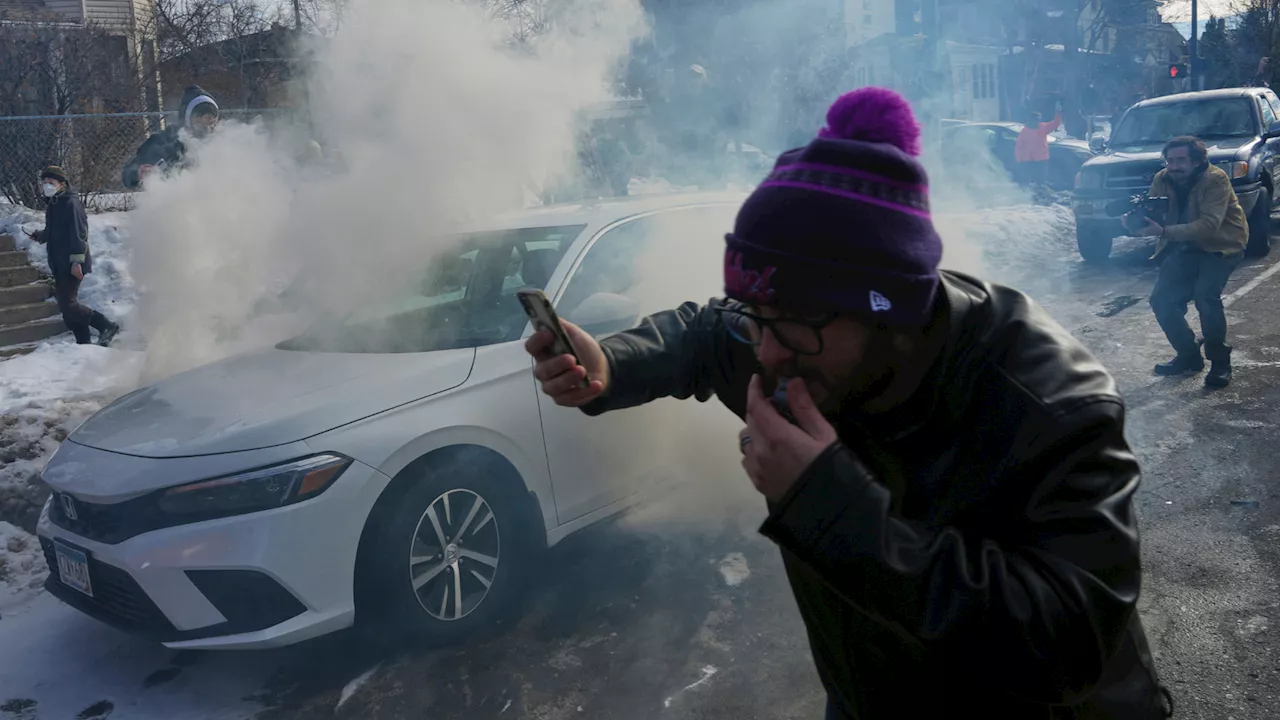
The state of Minnesota and its largest cities, Minneapolis and Saint Paul, have initiated legal action against the Department of Homeland Security (DHS) to halt what they describe as an “unlawful” increase in federal law enforcement presence. The lawsuit, filed on January 12, 2026, claims that this surge represents a “federal invasion” aimed at conducting unconstitutional stops and arrests, particularly at sensitive locations such as schools and hospitals.
During a news conference on Monday, Minnesota Attorney General Keith Ellison articulated the state’s position, stating, “This has to stop.” He was joined by Minneapolis Mayor Jacob Frey and Saint Paul Mayor Kaohly Her, who echoed concerns about the targeting of Minnesota’s diverse communities. Ellison asserted that the federal actions violate both the Constitution and federal law, alleging that they are driven by political motivations against cities led by Democrats.
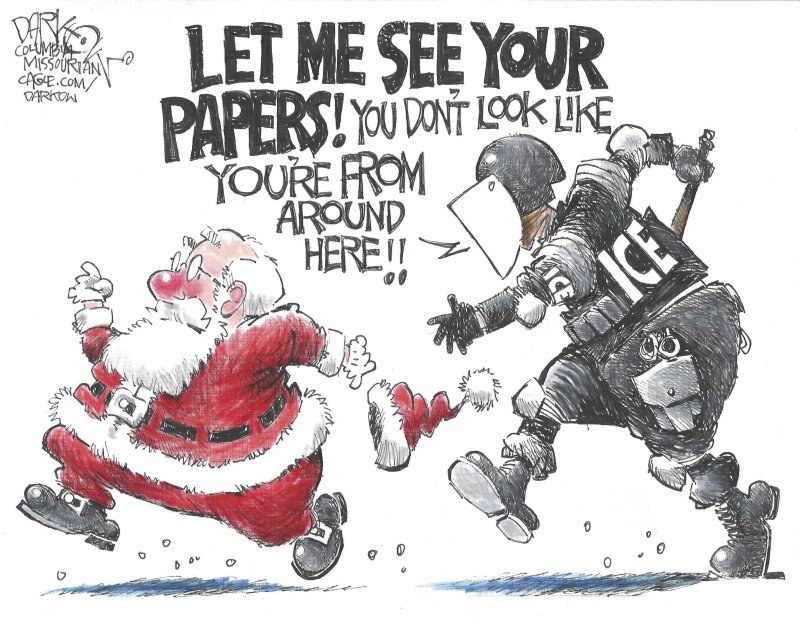
The lawsuit alleges that the DHS has engaged in tactics that amount to harassment, with accusations that federal agents are conducting unauthorized stops and detentions based on race and ethnicity. Ellison criticized these agents as “poorly trained, aggressive and armed,” claiming they have instilled fear within the local communities through their “widespread unlawful conduct.”
In addition to concerns about civil liberties, the lawsuit highlights the financial and social impacts on local businesses and educational institutions. The complaint asserts that the presence of federal agents has disrupted daily life and harmed community relations. It also claims that the DHS has violated the 10th Amendment by imposing federal enforcement operations on state property without proper justification.
The legal action seeks a preliminary injunction to prevent DHS from arresting individuals without “probable cause” and from using physical force or displaying weapons in situations where individuals do not pose an immediate threat. Specifically, the lawsuit aims to prohibit agents from pointing firearms at individuals who are not presenting a danger of serious bodily injury or death.
This legal battle reflects ongoing tensions between federal immigration policies and local governance, as cities across the United States grapple with the implications of federal enforcement actions. The outcome of this lawsuit could set a significant precedent for how immigration laws are enforced in urban areas, particularly those with diverse populations that may feel targeted by aggressive federal measures.
As Minnesota and its major cities take a stand against what they perceive as overreach, the implications of this case may resonate far beyond state lines, influencing national discussions on immigration policy and civil rights.