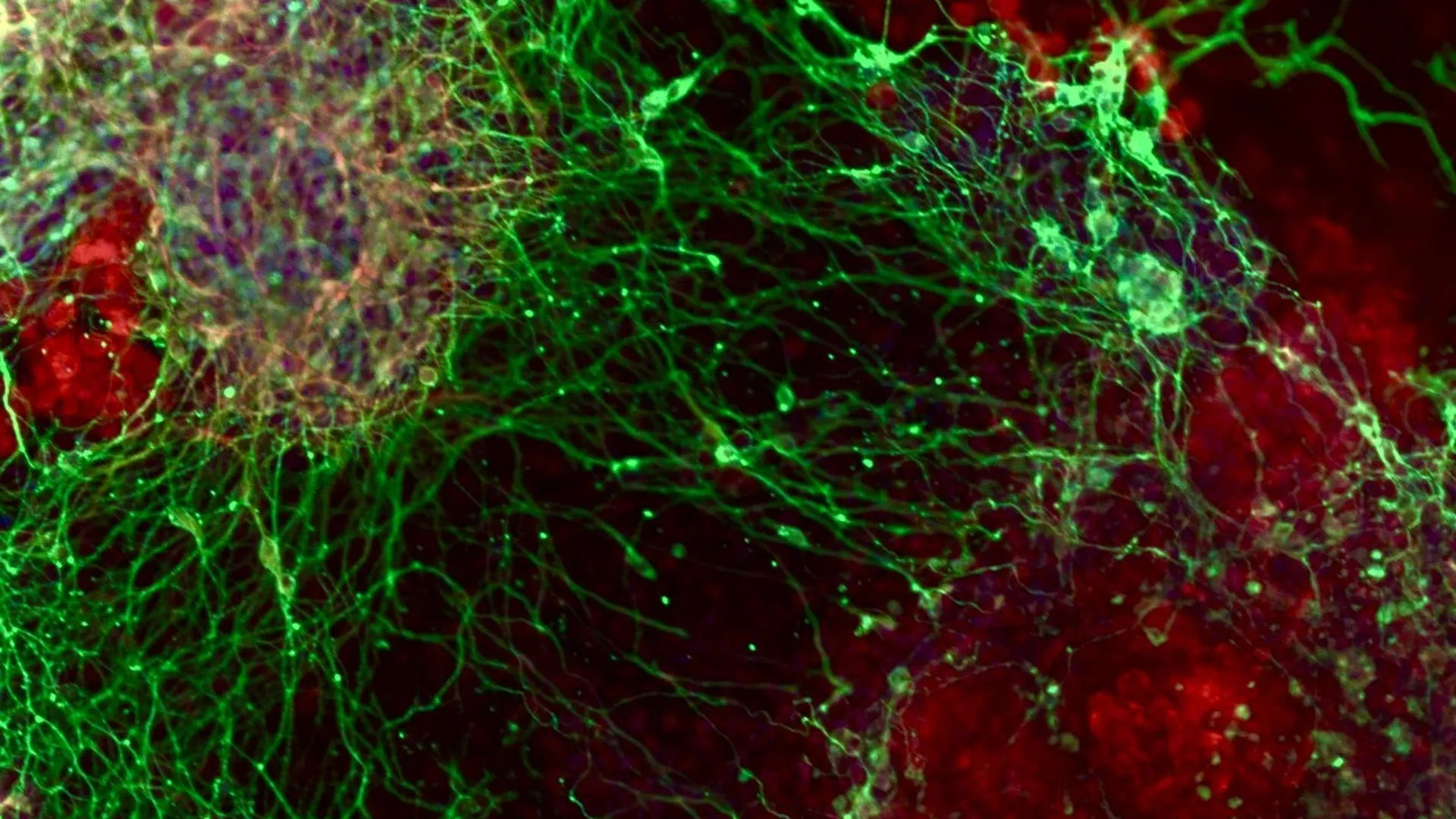
URGENT UPDATE: A groundbreaking genetic study reveals critical insights into how brain cells are formed, uncovering over 331 genes essential for this complex process. Led by Prof. Sagiv Shifman from The Hebrew University of Jerusalem, the research dramatically highlights the PEDS1 gene, now linked to a previously unidentified neurodevelopmental disorder in children.
Published on January 5, 2026, in Nature Neuroscience, this study utilized advanced CRISPR gene editing to explore the genetic underpinnings of brain cell transformation. The team systematically disabled nearly 20,000 genes to observe their effects on embryonic stem cells attempting to develop into neurons.
This research is crucial now, as it not only illuminates the early stages of brain development but also implicates genetic variations in conditions such as autism and developmental delays. The implications are profound for families affected by these disorders, as researchers aim to improve diagnosis and treatment options.
The findings revealed that the PEDS1 gene is vital for producing plasmalogens, essential components of myelin that insulate nerve fibers. Disruptions in PEDS1 lead to impaired brain growth and nerve cell formation, resulting in significant developmental symptoms in affected children. Genetic testing in two separate families confirmed that mutations in PEDS1 correspond with severe developmental delays.
“This map can help us better understand how the brain develops and identify genes linked to neurodevelopmental disorders that have yet to be discovered,” stated Prof. Shifman. The research outlines a comprehensive genetic framework essential for understanding and addressing brain disorders.
The study also established an “essentiality map,” which differentiates genetic mechanisms related to autism from those tied to developmental delays. This distinction is vital in guiding future research and therapy development.
In a significant step forward, the research team has launched an open online database to share their findings, enabling global researchers to access the data and advance studies in neurodevelopmental disorders.
This major breakthrough not only sheds light on the genetic causes of brain disorders but also lays a foundation for future research aimed at preventing and treating these conditions effectively.
Stay tuned for more updates as researchers continue to unravel the complexities of brain development and its implications for health.