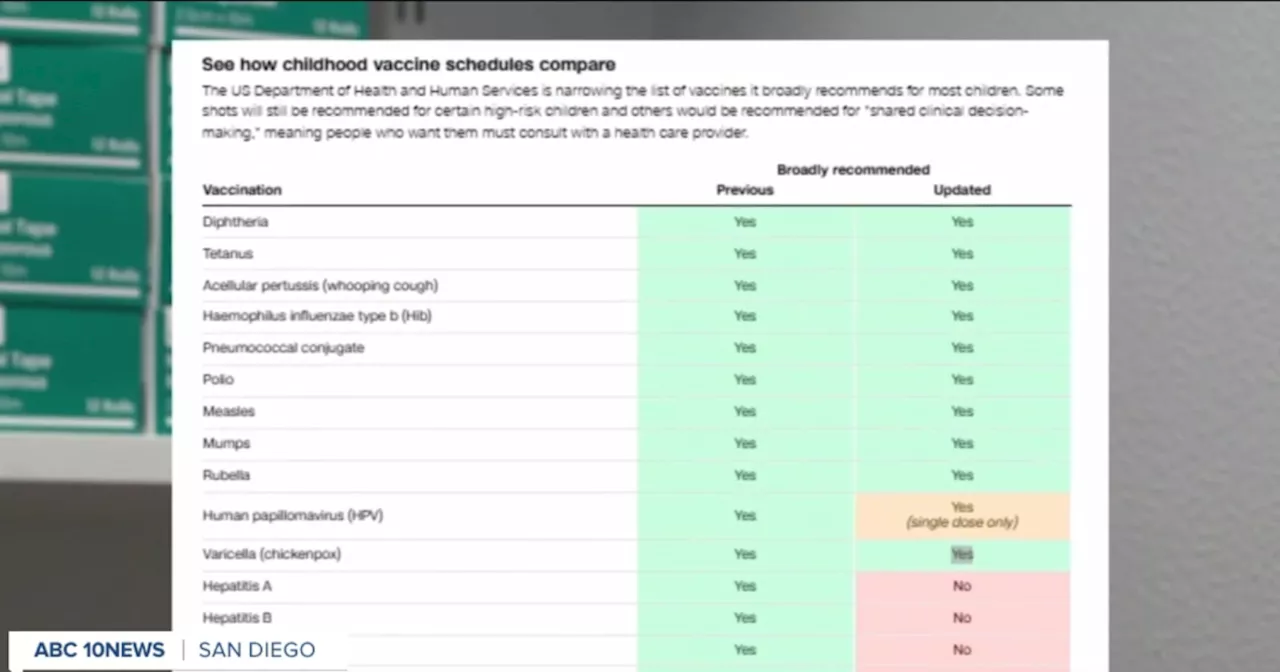
BREAKING: The CDC has just announced a controversial new vaccine schedule for children, significantly reducing the recommended vaccinations from 17 to 11. This urgent update, released earlier this week, is raising alarms among pediatricians, parents, and public health experts nationwide.
The American Academy of Pediatrics, led by President Dr. John Bradley of Rady Children’s Hospital, is pushing back against the CDC’s decision, calling it “dangerous and unnecessary.” Dr. Bradley emphasized the potential risks, stating, “If you don’t give vaccines that we’ve been giving and have been shown to be safe and effective, and a child ends up in the hospital, that’s preventable.”
This drastic change in the vaccine recommendations comes without the traditional collaborative input from the AAP, which has historically worked alongside the CDC to shape these important guidelines. Dr. Bradley expressed disappointment over the lack of dialogue, stating, “If the CDC had said ‘let’s have a meeting, let’s discuss this,’ I would have been really happy.”
Parents and pediatricians are now left grappling with the implications of this new guidance. Experts fear that limiting vaccine access could lead to increased hospitalizations from preventable diseases. Questions are swirling about whether certain vaccines will become more difficult to access or be less covered by insurance.
The AAP warns that the confusion stemming from these changes could severely undermine public trust in pediatricians and the vaccinations they recommend. “If we can’t recommend it in association with the CDC any longer, that takes away some of the credibility the pediatricians may have,” Dr. Bradley noted.
As the fallout continues, pediatricians are urging parents to remain vigilant and informed. The AAP and other medical organizations are poised to challenge these new guidelines, advocating for a return to a more collaborative approach in vaccine policy discussions.
WHAT’S NEXT: All eyes are now on the CDC and AAP as discussions unfold. Dr. Bradley remains hopeful that the pushback from medical professionals and parent groups will lead to reconsideration of the new policy. “I hope that they learn that this push back will make them think twice about just releasing a policy for vaccines without getting everyone’s input,” he said.
Stay tuned for more updates on this developing story, as the implications of these changes could affect millions of children across the United States. Parents are encouraged to consult their pediatricians for guidance and to stay informed about vaccine availability and insurance coverage.
This news is critical as it could reshape public health protocols in schools and communities, emphasizing the importance of staying updated on vaccination schedules.