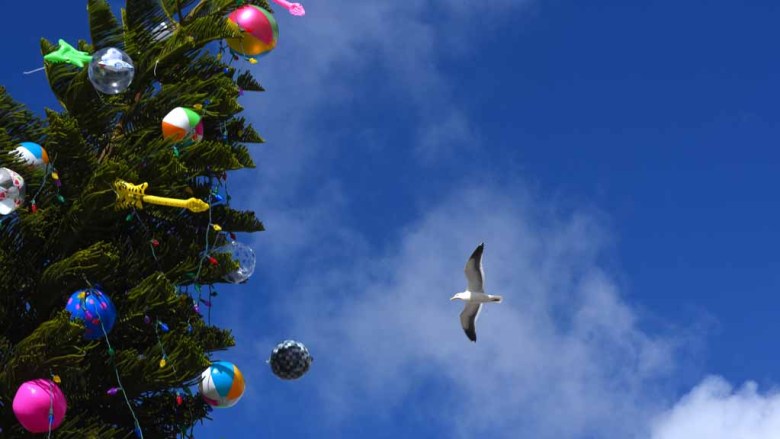
Utilizing a live Christmas tree as a bird feeder during winter is an eco-friendly practice gaining popularity among gardeners. This approach not only extends the life of the tree but also provides food for local birds. Mark S., a homeowner, sought advice on this recycling method after using a live tree for the holidays. He expressed concerns about potential soil acidity from fallen needles and the likelihood of birdseed creating weeds in his flower garden.
Experts, including Don Kinzler of the NDSU Extension-Cass County, confirm that placing a Christmas tree in the garden presents no significant acidity issues. Though evergreen needles are slightly acidic when fresh, they break down quickly, posing no danger to soil health. In fact, many regional soils may benefit from some acidification, but evergreen needles are not a substantial contributor.
Birdseed, when scattered at the base of the feeder, can indeed lead to unwanted growth. Certain seeds, particularly perennial types like thistle, are more prone to sprouting. To mitigate this risk, gardeners can utilize non-seed bird food options. Suet cakes and peanut butter on pinecones are excellent alternatives that can be easily hung from the branches of the tree. Additionally, choosing birdseed that has undergone treatment to prevent sprouting can further reduce the chances of creating a weedy mess.
After receiving this advice, Mark updated Kinzler with a photo of his family enjoying their repurposed Christmas tree, now adorned with bird food and awaiting the arrival of feathered visitors.
In another query, Ryan L. sought information about rhubarb, specifically Canadian Red, which he had successfully grown for nearly two decades. He wondered whether he should pursue new varieties or stick with the classic he knows. Experts acknowledged that while it is challenging to improve upon established varieties, there are notable differences among rhubarb cultivars.
Color is the most apparent distinction, with some varieties exhibiting deep red stalks, while others appear green or a mix of both. The diameter of the stalks also varies; certain green types can be quite large, while some red varieties feature smaller stalks. A common belief among gardeners is that red varieties are sweeter and require less sugar, but scientific data on this matter is limited.
A study published in the National Library of Medicine in 2021 compared several rhubarb varieties, including Canadian Red, Valentine, Red Champagne, Poncho, and Victoria. The findings were intriguing. Valentine, noted for its deep color, actually had the lowest sugar content and the highest acidity. In contrast, Red Champagne boasted the highest sugar levels. The study revealed that sugar content tends to increase as the growing season progresses, influenced by factors such as weather and soil type.
For those considering rhubarb cultivation, North Dakota State University recommends a selection of varieties, including Valentine, Ruby, MacDonald, Canadian Red, and Sunrise. Regardless of the type, most rhubarb will require some sugar for optimal flavor, making the attractive red varieties particularly appealing to many gardeners.
Lastly, a question from Nikki M. raised concerns about maintaining the cleanliness of houseplants. She inquired about the effectiveness of leaf shine products. The natural sheen of most houseplant leaves comes from a protective layer known as the cuticle, which helps prevent water loss and protect the plant. Cleaning leaves with a soft, moistened cloth is generally sufficient to maintain their luster.
While some products claim not to clog leaf pores, many gardeners prefer to rely on simple cleaning methods to preserve the natural appearance of their plants. Occasionally, household items like milk or mayonnaise are suggested for leaf shine, but concerns about pore obstruction remain valid.
For those seeking gardening advice, questions can be directed to Don Kinzler at the NDSU Extension-Cass County, where inquiries of broad interest may be published.