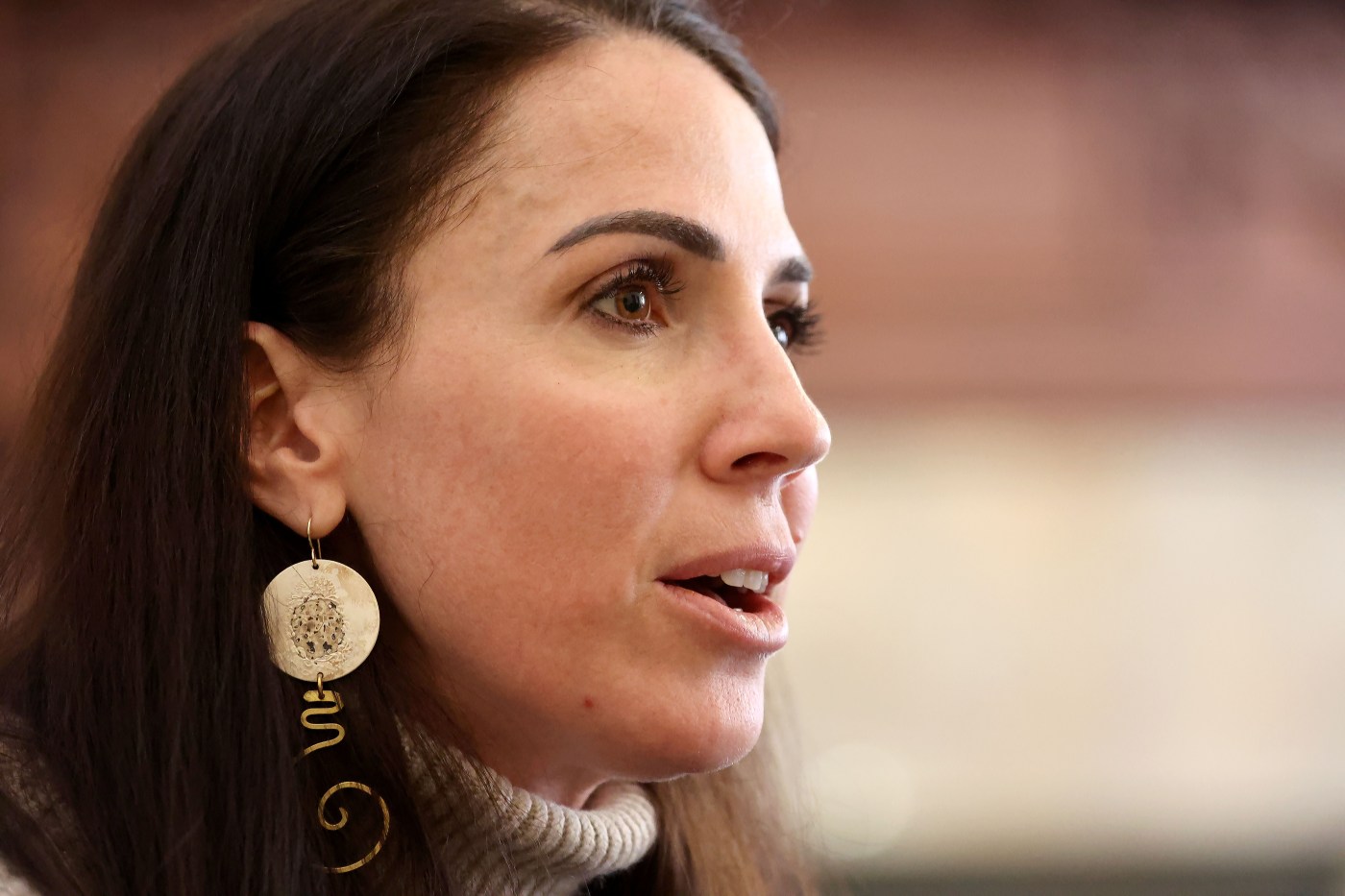
The unexpected death of midwife Janell Green Smith has intensified discussions surrounding the alarming rates of maternal mortality among Black women in the United States. Green Smith, who was a certified nurse-midwife and doctor of nursing practice in South Carolina, passed away on January 1, 2024, just days after delivering her daughter, Eden, prematurely on December 26, 2023. Her case underscores a broader public health crisis affecting Black mothers, highlighting systemic issues that have persisted for years.
Green Smith’s journey to motherhood began with joy and anticipation. The 31-year-old had dedicated her career to facilitating safe births for Black women, participating in over 300 deliveries. Her pregnancy announcement this past summer was met with excitement from her family, particularly since her due date aligned with the birthday of her husband’s late great-grandmother. However, complications arose when Green Smith was admitted to the hospital on Christmas Eve due to severe preeclampsia, a condition that can pose serious risks for mother and child.
While baby Eden was born healthy, further complications led to an emergency surgery shortly thereafter. Reports indicate that Green Smith experienced a significant rupture related to her incision, leading to her rapid decline during recovery. The exact cause of her death remains unconfirmed, but her passing has sparked outrage and sorrow among her community and beyond.
According to recent statistics, Black women face disproportionately high maternal mortality rates, with a staggering 47.4 deaths per 100,000 live births, compared to the national average of 18.3 deaths. This disparity is attributed to a combination of systemic racism, implicit biases, and inequities within the healthcare system. For context, countries with similar economic profiles, like Norway, report a maternal mortality rate of just 1 death per 100,000 live births.
Green Smith’s death is not just a personal tragedy; it represents a systemic failure that has claimed countless lives. “Janell was fighting with all of the rest of us who are tired of, day in and day out, looking at these numbers,” said Nichole Wardlaw, Green Smith’s aunt and fellow midwife. “She was my comrade in this fight. And now she is gone.”
Her colleagues remember her as a dedicated professional committed to improving maternal health. Green Smith entered the field motivated by alarming statistics regarding Black maternal health. In a video posted in April 2024, she expressed her desire to be part of the solution, emphasizing the importance of listening to patients. Her mentor, Penelope Bowman, noted that Green Smith approached her work with kindness and tenacity. Despite the demanding nature of midwifery, she was known for her warmth and dedication, often going above and beyond for her patients.
Despite her expertise, Green Smith faced challenges in accessing midwifery care during her own pregnancy. Due to potential conflicts of interest, midwives often avoid using the same practice where they work. This situation underscores the systemic barriers that even experienced professionals encounter within the healthcare system.
As news of her death spread, vigils were held in both Greenville and Charleston, drawing fellow midwives, patients, and family members. The American College of Nurse-Midwives issued a statement lamenting Green Smith’s passing, calling it both “heartbreaking and unacceptable.” The organization highlighted that her death illustrates the persistent risks faced by Black women, regardless of their professional credentials.
The National Black Nurses Association echoed this sentiment, emphasizing that Green Smith’s knowledge and experience could not shield her from the systemic issues that plague maternal healthcare for Black women. “That reality demands more than reflection; it demands accountability,” they stated.
This tragic event comes on the heels of a growing awareness of the challenges Black mothers face. Recently, two incidents involving Black mothers receiving inadequate care at hospitals gained national attention, further amplifying calls for change in the healthcare system. As Dr. Chris T. Pernell, director of the NAACP’s Center for Health Equity, noted, over 80% of maternal deaths are preventable, indicating a significant opportunity for improvement if systemic issues are addressed.
Wardlaw’s grief is compounded by frustration, as she grapples with the reality that her efforts and expertise could not prevent this tragedy. “We cannot continue to lose our women,” she stated, highlighting the urgent need for change in maternal healthcare policies and practices.
The tragic loss of Janell Green Smith serves as a stark reminder of the ongoing crisis in Black maternal health. Her legacy may inspire renewed advocacy and efforts to address the systemic inequities that continue to endanger the lives of mothers like her.