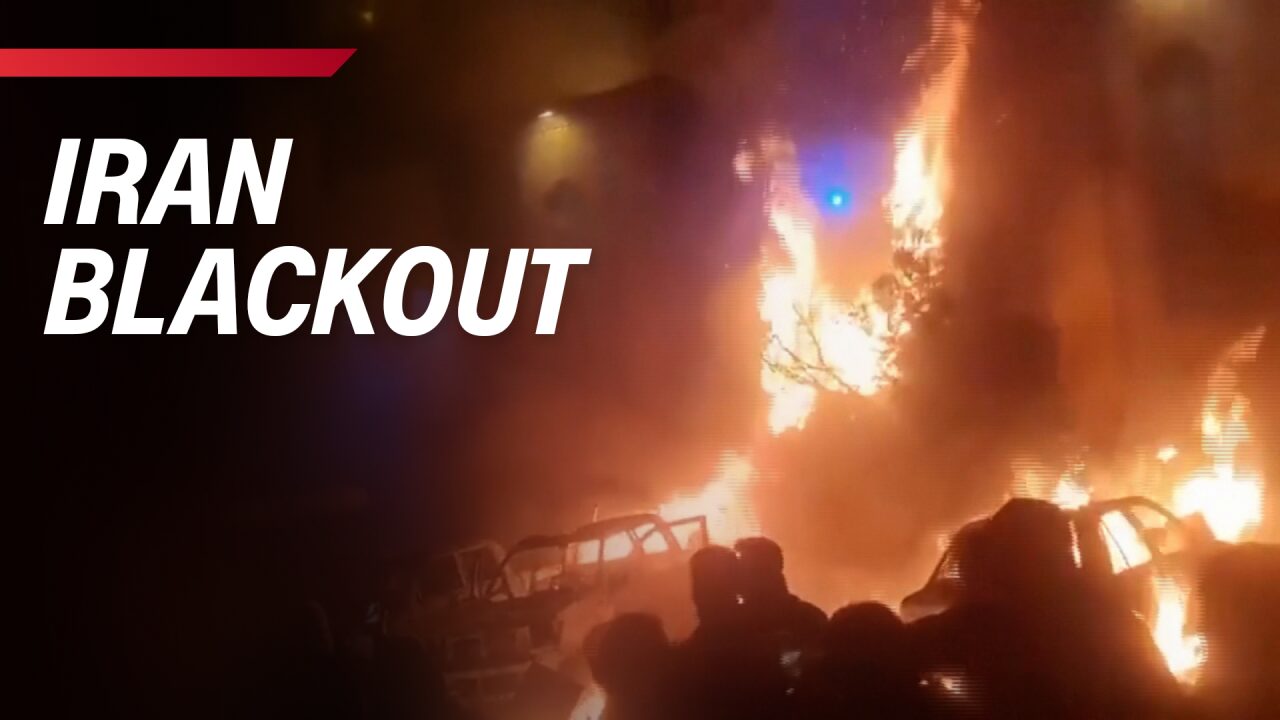
Protests in Iran persist as the country enters the second day of an internet blackout imposed by authorities. The unrest, which began on December 28, 2023, has seen demonstrators express their frustration over rising inflation and dissatisfaction with the ruling government.
Reza Pahlavi, the son of Iran’s last shah, has called for a nationwide strike lasting two days. In a video posted on X, the exiled opposition figure urged “workers and employees in key sectors of the economy—especially transportation, oil and gas, and energy—to begin a nationwide strike” starting Saturday, coinciding with the beginning of the working week in Iran.
Pahlavi’s address comes during a significant government-imposed internet blackout, which has greatly restricted communication and information flow within the country. He encouraged protesters to take to the streets with flags, images, and national symbols, stating, “The goal is to prepare to seize city centers and hold them.” He claimed that the protests on Friday sent a powerful message to the Iranian leadership.
The extent of Pahlavi’s popularity within Iran remains uncertain. The US-based figure was only 16 when his father, Shah Mohammad Reza Pahlavi, was ousted during the 1979 Islamic Revolution, ending a 40-year reign. As the eldest son, he was the first in line to inherit the oil-rich empire.
According to watchdog group NetBlocks, the internet blackout has now lasted over 36 hours, severely limiting the ability of Iranians to communicate with one another. The organization reported, “It’s now 8:00 am in Iran where the sun is rising after another night of protests met with repression.” The metrics indicate that the blackout continues to hinder Iranians’ ability to check on the safety of friends and family amid growing tensions.
The protests reflect deep-rooted frustrations among the population, fueled by economic challenges and dissatisfaction with the government’s handling of public discontent. Demonstrators have voiced their anger not only at inflation but also at the conservative rulers and the violent security measures employed against dissent.
As the situation evolves, the international community watches closely, with many expressing concern over the government’s response to the protests. The ongoing unrest highlights significant social and economic issues that continue to challenge the Iranian government.