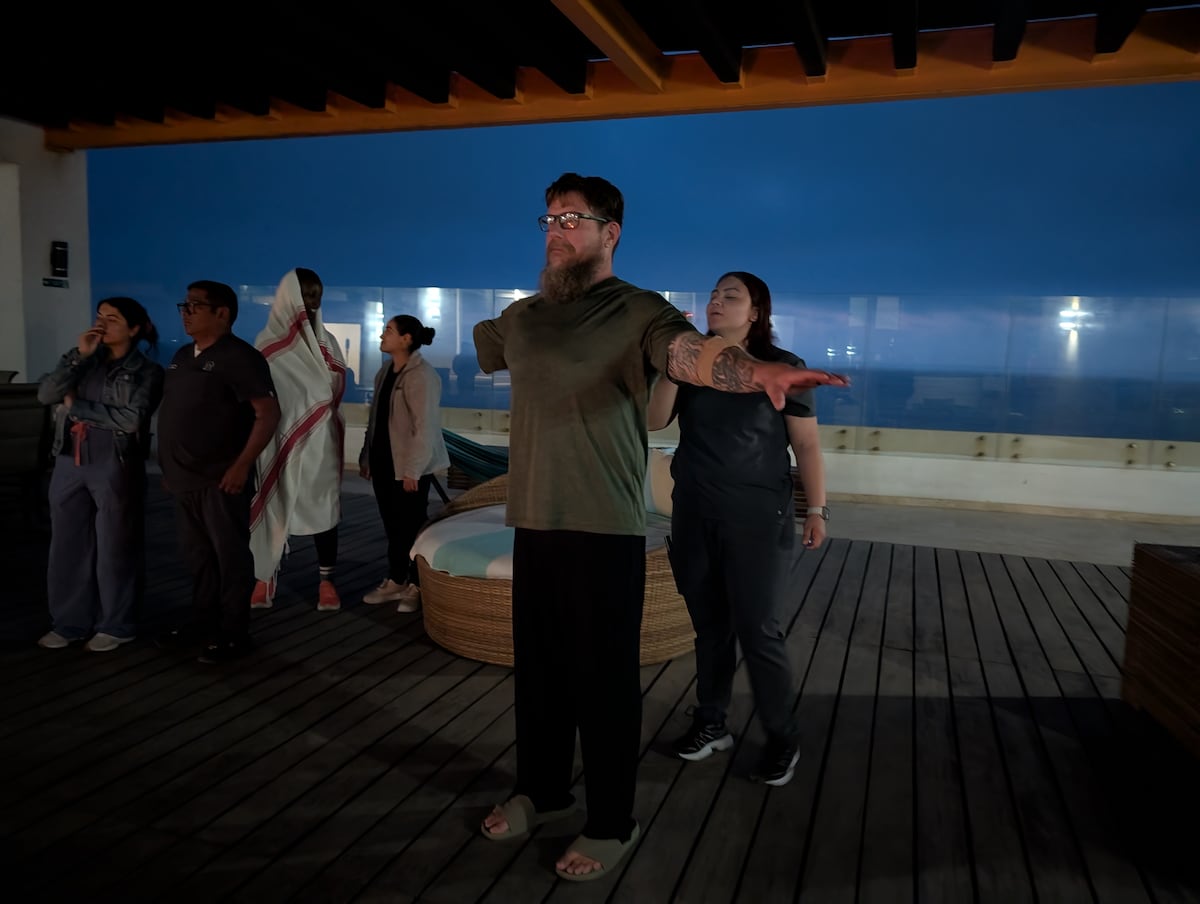
Marc Dervaes, a veteran of the Iraq and Afghanistan wars, sought healing from his traumatic experiences through an ibogaine treatment at a clinic in Tijuana, Mexico. This journey marked a significant step for Dervaes, who had previously faced severe mental health challenges and substance abuse.
Dervaes, along with nine other men, gathered at the clinic—Ambio Life Sciences—paying approximately $8,000 for an unregulated psychedelic treatment. Each participant carried their own burdens, hoping that the intense experience would alleviate their suffering, which ranged from post-traumatic stress disorder to addiction.
Before arriving at the clinic, Dervaes had reached a critical point in his life. Following a near-fatal bout of alcohol poisoning, he recognized the urgency for change. His wife, Michaela Dervaes, expressed the turmoil in their home, stating, “Peace was totally gone in this house.”
After a lengthy wait for an appointment, the clinic scheduled Dervaes for April 2026. Frustrated and desperate, he emphasized that he would not survive that long. The high demand for treatment at such facilities highlights a growing trend; over the past decade, Ambio and The Mission Within Center have treated around 3,000 U.S. veterans. Both clinics utilize psychedelics such as ibogaine, derived from a Central African shrub, and 5-MeO-DMT, a substance from the Sonoran desert toad, to help veterans find relief when traditional therapies fail.
Dervaes’ experience at the clinic was marked by vulnerability and a desire for introspection. He initially approached the group with indifference, stating, “I really don’t care about any of you. I’m here for me.” This stark honesty set the tone for his subsequent journey, which would force him to confront the pain he had caused others and the lingering trauma from his service.
The clinic’s approach combined traditional medical assessments with psychedelic treatments. Upon arrival, patients underwent EKG tests to ensure their physical readiness for ibogaine, which has a narrow therapeutic range and poses serious risks, including heart arrhythmias. Despite these dangers, many veterans feel drawn to these treatments, believing they offer a chance at healing that conventional methods have failed to provide.
Dervaes’ journey began in September 2009, during his deployment in Afghanistan. A traumatic incident involving a rocket-propelled grenade resulted in the amputation of his right arm. Following extensive recovery, he faced the challenges of civilian life, which included struggles with opioid addiction and the emotional scars of war.
In the months leading up to his trip to Tijuana, Dervaes had turned to extreme sports, including Paralympic snowboarding and cave diving, as a means to cope with his pain. However, the physical toll of these activities ultimately exacerbated his mental health struggles.
As Dervaes arrived at Ambio, he faced his fears head-on. The treatment involved intense sessions where patients could experience vivid hallucinations, often leading them to confront their past traumas. For Dervaes, this meant grappling with the memories of those he had wronged, leading to profound emotional releases.
“Holy shit,” he exclaimed during a particularly intense moment, signaling a significant breakthrough in his journey. After the treatment, he reported feeling “reborn,” a stark contrast to his previous mental state.
Despite the immediate effects of the treatment, Dervaes soon confronted the complexities of healing. Less than a month after returning home, he faced another personal tragedy—the loss of a friend to suicide. This event triggered feelings of regression, leading him back to alcohol as a coping mechanism.
Yet, the journey did not end there. Michaela noted subtle but significant changes in her husband following his treatment. He displayed reduced anger on the road and began finding solace in reading. Inspired by the resilience of others, including veterans with more severe injuries, Dervaes recognized the importance of community and support.
In early December, Dervaes decided to return to the clinic for a second round of treatment, propelled by a newfound determination to abstain from alcohol and embrace healthier coping strategies. His experience at Ambio was not just about the drugs, but about finding the tools to navigate life with intention and purpose.
Upon his return to Colorado Springs, Michaela observed a positive shift in Dervaes. “Even though everything seems wonderful right now,” she stated, “there could be just something happening and it’ll go downhill.” For now, she remains hopeful, witnessing the efforts her husband is making towards healing.
The story of Marc Dervaes reflects a broader narrative among veterans seeking alternative treatments for the lasting impacts of war. As discussions around psychedelic therapy evolve, the journey of individuals like Dervaes highlights the complexities and potential of such treatments in addressing mental health challenges.