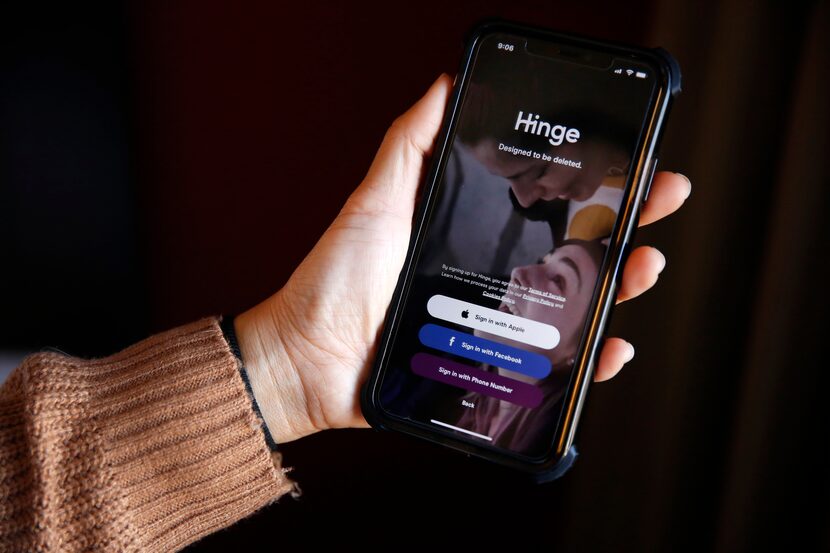
Recent incidents of dating violence have underscored the critical need for safety and privacy considerations when engaging in romantic relationships, both online and face-to-face. A tragic shooting in northwest Dallas last week left one woman dead and her husband injured after they arranged to meet a man they met through Facebook Dating. Such events highlight the evolving landscape of dating, where digital platforms have become a primary avenue for forming connections.
Jan Langbein, the chief executive officer of Genesis Women’s Shelter & Support, noted that the current dating environment significantly differs from the past. “Today’s dating landscape is vastly different than it once was, with digital dating being the new way many people pursue romantic relationships,” she explained. While these online platforms offer opportunities to meet new people, experts emphasize that safety and privacy must remain paramount.
Tiffany Tate, chief executive officer of The Family Place, echoed this sentiment, stating, “Your safety should always come first. If you feel unsafe or experience harassment, remember you are not alone.” As dating continues to shift online, understanding how to protect oneself becomes increasingly vital.
Understanding Risks in Online Dating
According to the Mozilla Foundation, approximately 80% of dating apps share or sell their users’ personal information for advertising purposes. Additionally, about a quarter of these apps collect metadata associated with shared content, such as the time and location a photo was taken. Tate warned that dating apps can unfortunately be misused for harmful purposes, including stalking, harassment, and violence. “Predators can exploit these platforms to access personal information, make unwanted contact, stalk new matches, or deceive individuals into unsafe situations,” she added.
While dating apps can facilitate genuine relationships, caution is essential. “People can curate exactly how they want others to perceive them,” Langbein stated. “For some, that may mean showing only the highlights and best parts of themselves. For others, that may mean using false information or photographs to deceive or trick others.”
Abusers can use these platforms to mask concerning behaviors while forming romantic bonds, making it crucial for individuals to remain vigilant.
Steps to Enhance Safety and Privacy
It is vital to take proactive measures when creating and maintaining a dating profile, similar to the precautions one would take when meeting someone in person. Texas’s Internet Dating Safety Act, implemented in 2011, mandates that dating apps and websites provide users with safety disclosure statements. This legislation requires dating service providers to include a list and description of safety measures designed to enhance awareness of safer online dating practices. Non-compliance can result in civil penalties of up to $250.
For those navigating the complexities of online dating, several services offer resources and support. The helpline from Genesis is available 24/7 for individuals seeking advice on recognizing red flags, planning safe dates, and accessing additional services. This confidential support can be reached by calling or texting 214-946-4357. Meanwhile, The Family Place provides assistance through their 24-hour crisis hotline in both English and Spanish at 214-941-1991.
As the landscape of dating continues to evolve, prioritizing safety and privacy remains essential. By being aware of the potential risks and taking steps to protect oneself, individuals can navigate the world of dating with greater confidence and security.