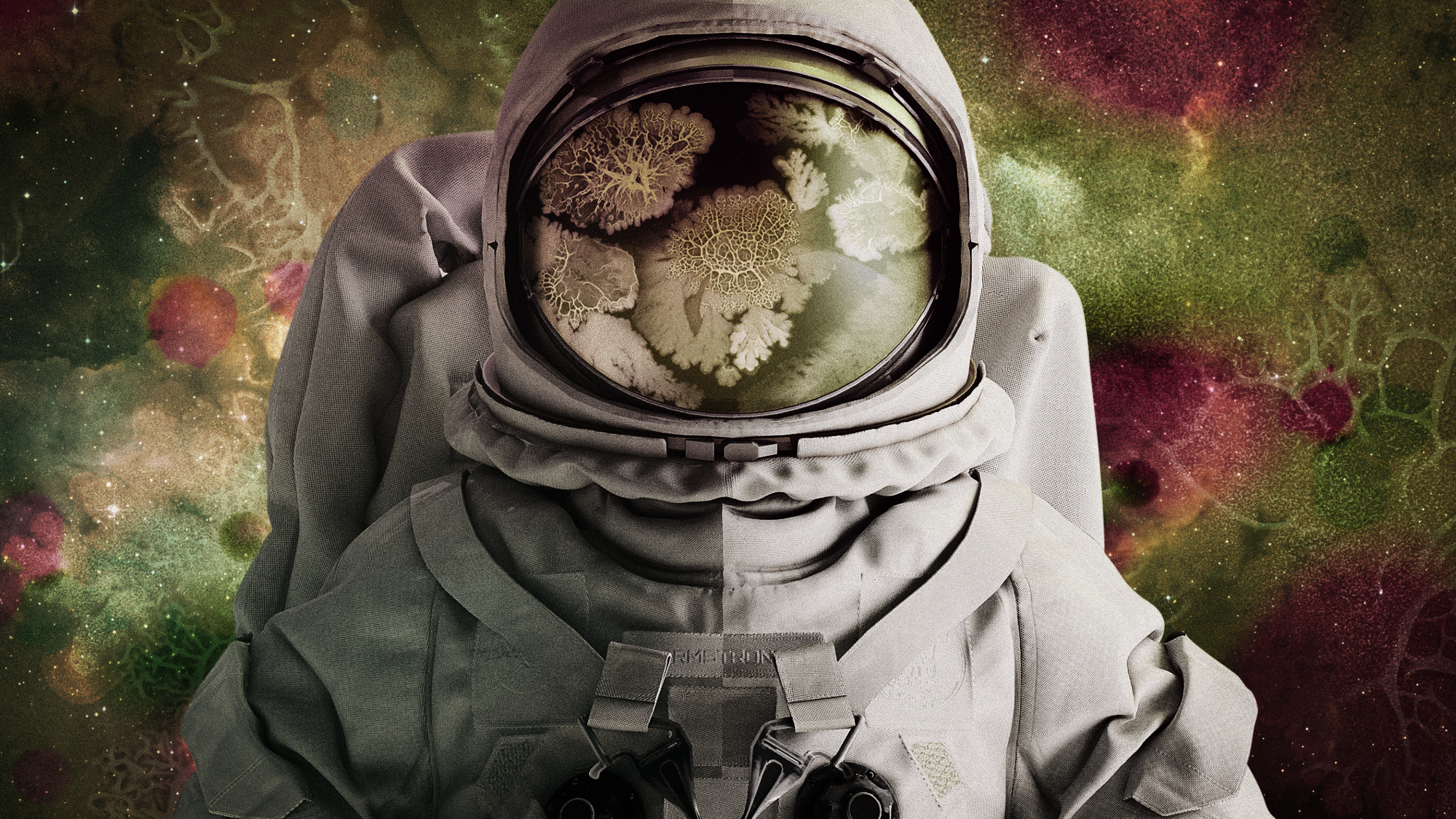
NASA has identified 26 previously unknown microbes residing in its cleanrooms at the Kennedy Space Center in Florida. These microorganisms, classified as extremophiles, were discovered despite rigorous protocols aimed at minimizing contamination during spacecraft assembly. Their genetic characteristics suggest a remarkable ability to endure extreme environments, raising concerns for future space missions.
Microbial Discovery in Rigorous Cleanroom Conditions
Cleanrooms at NASA are maintained with stringent controls, including regulated airflow, temperature management, and thorough cleaning procedures. According to a study published in the journal Microbiome, these environments are designed to limit the presence of dust and microorganisms. Yet, the resilience of certain microbes poses potential risks, as they can survive and thrive under these controlled conditions.
The study highlights the presence of 26 strains of bacteria at the Kennedy Space Center, particularly in the area where the Phoenix Mars Lander was assembled. These microbes exhibit unique traits, such as resistance to common cleaning agents and the ability to adhere to sterile surfaces through the production of sticky films. Many of them also possess genes that protect against radiation damage and facilitate cell repair under oxidative stress.
One notable microorganism, Tersicoccus phoenicis, can enter a dormant state to survive periods of starvation and other stressors. During this dormant phase, it is undetectable using standard surface swabbing techniques, which raises concerns about its potential to inadvertently accompany missions intended to be free of Earth-based contaminants.
Implications for Space Exploration and Biotechnology
Despite the challenges posed by these resilient microorganisms, their discovery also presents opportunities for biotechnological advancements. Junia Schultz, the study’s lead author, emphasized the significance of identifying these hardy organisms. She stated, “Identifying these unusually hardy organisms and studying their survival strategies matters.” This research could enhance our understanding of planetary protection measures and the potential for microbial life on other celestial bodies.
The findings suggest that if extremophiles like T. phoenicis were to reach a fresh environment, such as Mars, they could thrive. The nutrients necessary for sustaining human life on Mars might also support the revival of these dormant bacteria, complicating efforts to maintain a sterile environment.
Moreover, the genetic traits found in these microbes could lead to innovations in food preservation and medical applications. Researchers at the University of Houston noted that preventing bacteria like T. phoenicis from entering dormancy could make them easier to eliminate through antibiotics or sterilization techniques.
Additionally, these organisms could serve as benchmark species for evaluating decontamination strategies prior to spacecraft launches. Their presence provides a unique opportunity to assess the effectiveness of sterilization processes, helping to ensure that missions are conducted with the highest standards of planetary protection.
As scientists delve deeper into the characteristics and behaviors of these extremophiles, the implications for both space exploration and biotechnology continue to unfold, highlighting the complex relationship between microbial life and our endeavors beyond Earth.