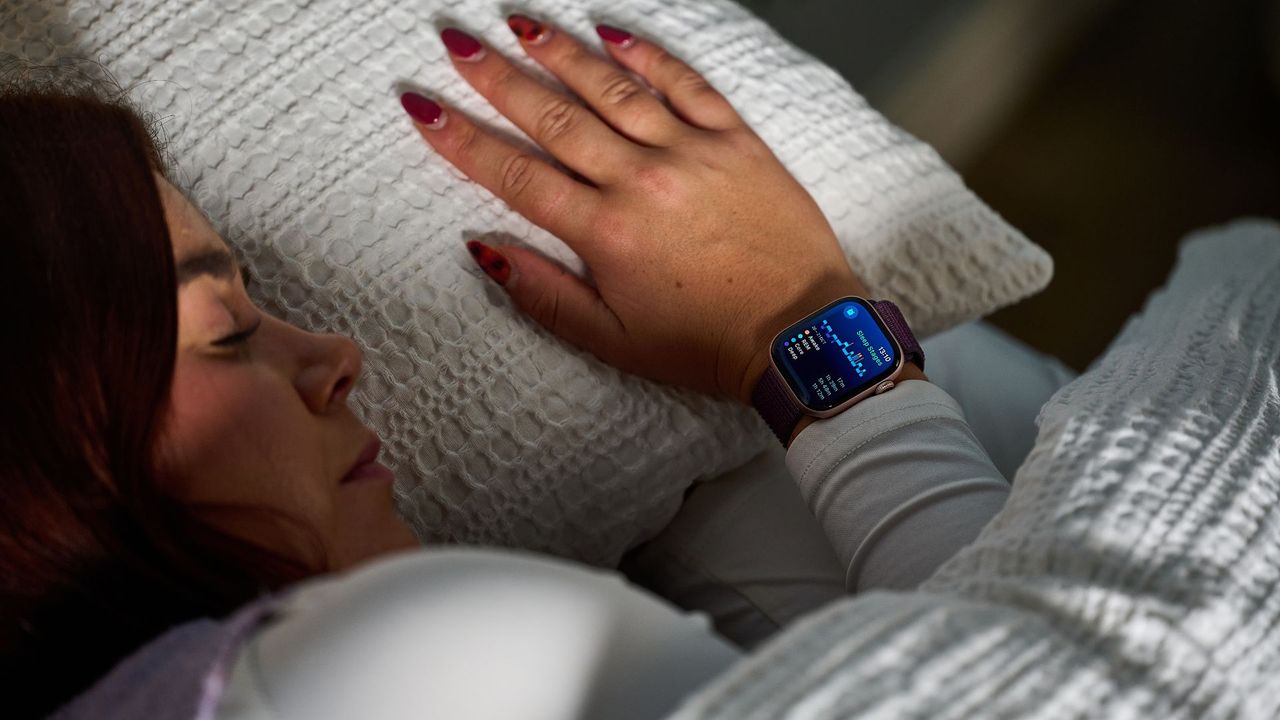
Many individuals received smartwatches this holiday season, not only to track workouts but also to enhance sleep quality. As 2026 approaches, experts suggest that these devices can be instrumental in improving rest, provided users understand how to leverage their capabilities effectively. With insights from industry leaders such as Tim Rosa, CEO of Somnee, and Dr. Nerina Ramlakhan, a sleep expert at Oak Tree Mobility, this article aims to guide users in utilizing their new technology for better sleep.
Understanding the Benefits of Sleep Tracking
Tracking sleep patterns can provide valuable insights into personal health. It helps users identify habits that may impact their rest. According to Tim Rosa, monitoring metrics like sleep onset and duration in various sleep stages can lead to improved sleep hygiene. This approach fosters awareness about how daily habits, such as diet and activity levels, influence sleep.
Nonetheless, Rosa cautions that sleep tracking can also lead to “score anxiety,” where users become overly focused on achieving perfect numbers rather than improving their sleep quality. He advises selecting devices that not only collect data but also provide actionable recommendations. Popular options like those from Apple, Garmin, Oura, and Whoop offer insights that can help users make informed decisions about their sleep habits.
Maximizing the Effectiveness of Your Sleep Tracker
1. **Wear It Consistently**
For accurate data, it is essential to wear the smartwatch securely throughout the night. This ensures that the sensors can effectively monitor biometrics. Consistent use allows the device to learn individual habits, thus providing personalized health and sleep advice. For instance, the Oura Ring can take up to 90 days to assess a user’s chronotype, helping establish a sleep schedule that aligns with natural body rhythms.
2. **Keep a Sleep Diary**
As users familiarize themselves with their smartwatch, maintaining a sleep diary can be beneficial. Noting sleep quality, disturbances, and feelings upon waking can help verify the watch’s accuracy and effectiveness. According to Dr. Ramlakhan, tracking daily habits that influence sleep quality—like alcohol consumption or exercise—can reveal patterns that either enhance or disrupt rest.
3. **Focus on Trends Rather Than Scores**
It is crucial not to get fixated on achieving a perfect sleep score. As Dr. Ramlakhan points out, observing trends in how daily activities affect sleep can be more beneficial than striving for unattainable metrics. Understanding terms like sleep latency and sleep efficiency can empower users to make informed decisions about their nighttime routines based on their data.
4. **Listen to Your Body**
While data from sleep trackers can enhance understanding of sleep quality, it is vital to prioritize personal feelings and experiences. Feeling refreshed after a night’s sleep is a solid indicator of adequate rest, regardless of what the smartwatch indicates. Both experts emphasize the importance of tuning into one’s body over relying solely on numbers.
Practical Steps for Improving Sleep Quality
1. **Establish a Consistent Sleep Schedule**
One of the primary advantages of sleep tracking is its ability to help users maintain a regular sleep schedule. Going to bed and waking up at the same time each day is crucial for good sleep quality. Setting bedtime reminders through compatible apps can encourage users to adhere to this schedule.
2. **Optimize Your Sleep Environment**
Advanced smartwatches, including newer models from Apple, can monitor wrist temperature and environmental noise. If sleep disruptions are linked to room temperature or noise levels, adjustments can be made to create a more conducive sleeping environment. Ideally, bedrooms should be kept at temperatures between 18 to 21 °C (65 to 70 °F).
3. **Make Health-Conscious Choices**
Experts agree that sleep quality is influenced by daytime habits. Everything from morning routines to meal timings can affect nighttime rest. Analyzing sleep data can reveal how specific habits, such as late-night eating or excessive screen time, might be detrimental. Sustainable choices, including balanced diets and regular exercise, can significantly enhance sleep quality.
Implementing these strategies can transform how individuals use their smartwatches, ultimately leading to improved sleep patterns and overall well-being. By understanding both the technology and the personal aspects of sleep, users can make informed decisions that promote healthier sleep habits in 2026 and beyond.