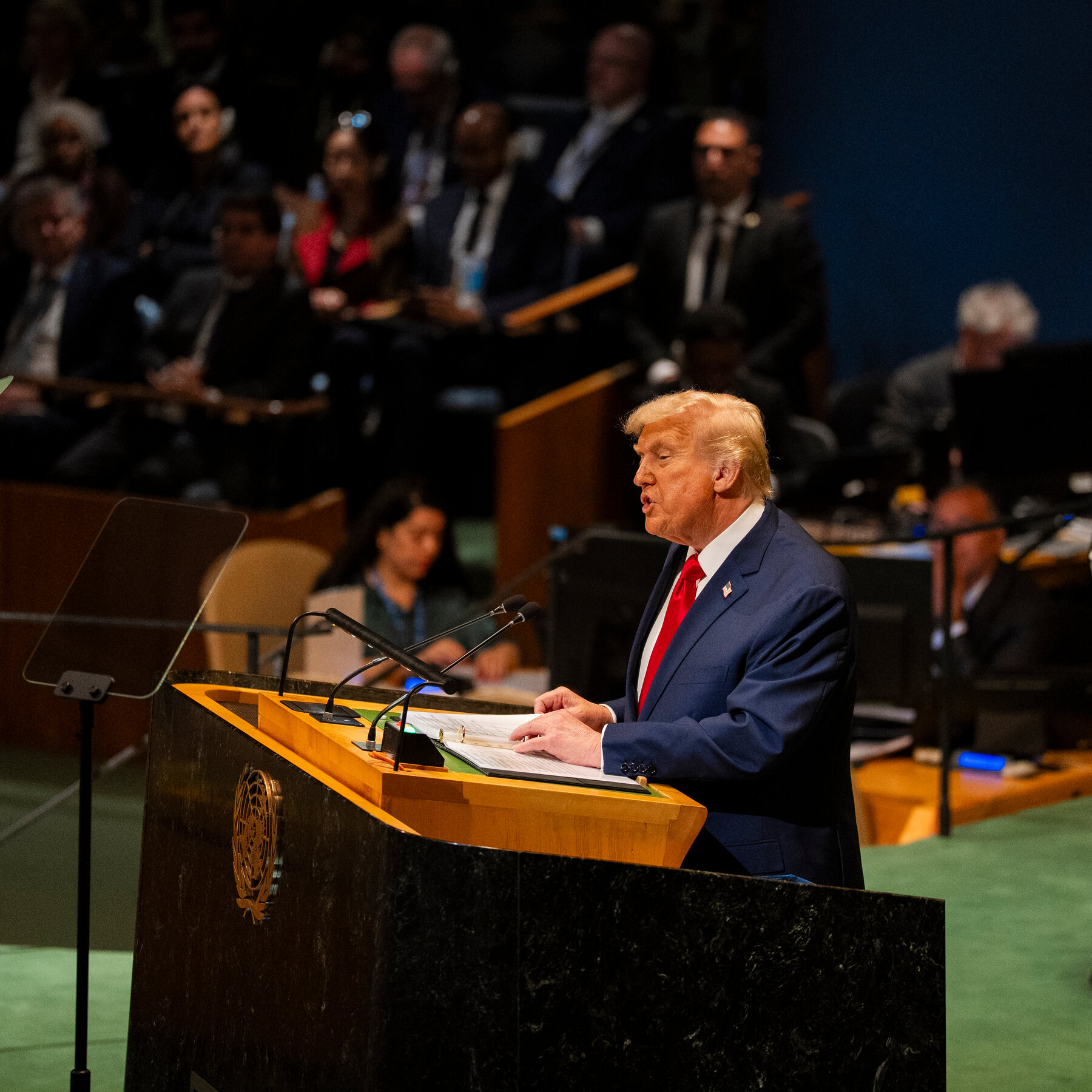
Donald Trump, the former President of the United States, has officially withdrawn the nation from the Paris Climate Accord, a landmark global agreement aimed at combating climate change. This decision, announced on November 4, 2019, has significant implications for the international community’s efforts to address rising temperatures and other environmental challenges.
The Paris Climate Accord, adopted in December 2015, brought together nearly 200 countries to commit to reducing greenhouse gas emissions and limiting global warming to well below 2 degrees Celsius above pre-industrial levels. Trump’s withdrawal not only signals a shift in U.S. climate policy but also raises concerns about the potential long-term effects on global climate initiatives.
Implications for Future U.S. Climate Policy
Trump’s exit from the accord complicates the possibility for any future administration to rejoin the agreement. The withdrawal means that the United States, one of the largest emitters of greenhouse gases, will no longer be bound by the accord’s commitments. This could hinder collective efforts to mitigate climate change, as the U.S. has historically played a significant role in international climate negotiations.
Environmental groups and many world leaders have criticized the withdrawal. They argue that it undermines global cooperation and jeopardizes progress made in the fight against climate change. According to the United Nations Framework Convention on Climate Change (UNFCCC), the accord represents a collective commitment from nations to work together to reduce emissions and adapt to climate impacts.
Reactions from Global Leaders
International leaders reacted swiftly to the news of the withdrawal. Emmanuel Macron, President of France and a key architect of the Paris agreement, expressed disappointment, stating, “We will continue to work together to make our planet great again.” Other world leaders echoed similar sentiments, emphasizing the importance of collaborative efforts to address climate change.
The decision also faced backlash from various sectors within the United States, including businesses and local governments that have committed to sustainable practices. Many states and cities have vowed to continue their efforts to meet the goals set forth in the accord, despite the federal withdrawal.
As the impacts of climate change become increasingly evident, the future of U.S. participation in international climate efforts remains uncertain. The decision to withdraw has set a precedent that may influence how future administrations approach global agreements on climate change.
In summary, Trump’s withdrawal from the Paris Climate Accord marks a significant shift in U.S. climate policy, raising questions about the future of global cooperation in addressing climate challenges. The international community continues to advocate for unity and action as the need for effective climate solutions becomes more pressing.