UPDATE: In a shocking series of events, Bangladesh is reeling from the brutal lynching of Dipu Chandra Das, a 25-year-old Hindu garment worker, and the subsequent killing of fellow Hindu Amrit Mondal. These incidents, occurring just days apart, highlight a grave failure of state protection for vulnerable minorities amid escalating communal tensions.
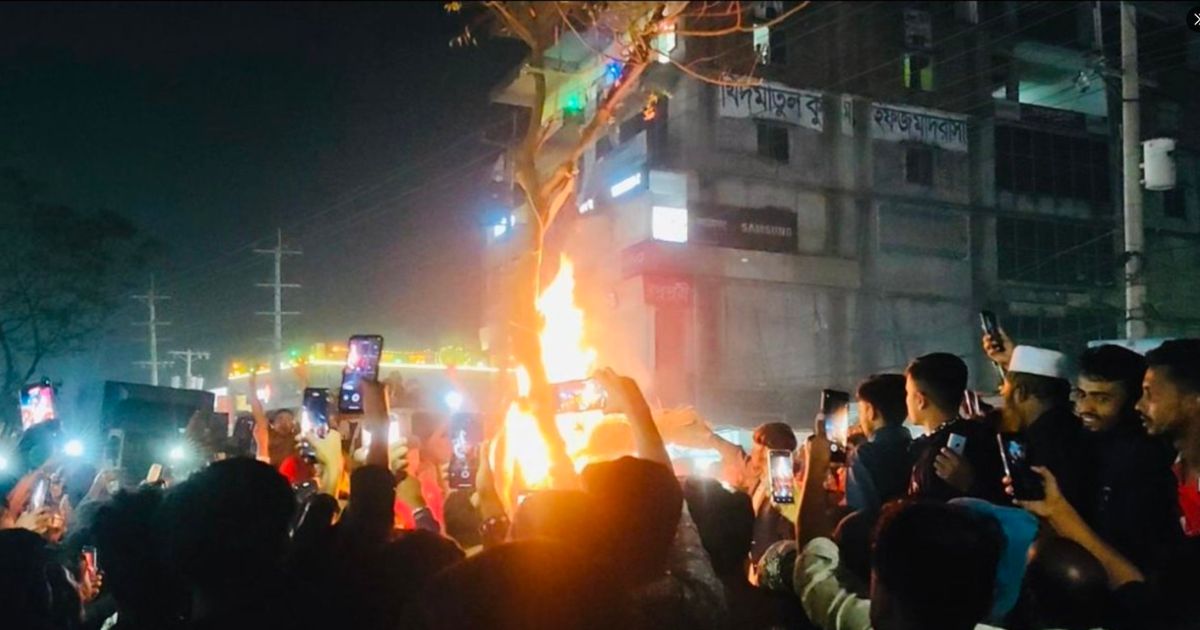
On December 18, a dangerous rumor spread that Dipu had made blasphemous remarks about Islam. Despite no verified evidence, he was handed over to a mob by local police, leading to his horrific death—beaten, stripped, and burned alive on the Dhaka-Mymensingh highway. The chilling circumstances surrounding his death raise urgent questions about the safety of religious minorities in Bangladesh, where accusations can lead to violence without warning.
The killings of Dipu and Amrit are not isolated incidents; they reflect a troubling trend of mob violence targeting Hindus in a Muslim-majority nation. Authorities have attempted to downplay the communal motives behind these attacks, yet the pattern is undeniable. Two Hindus, two public killings, and two failures by the state to protect its citizens signal a deeper crisis.
These events echo Bangladesh’s fraught history, with reminders of the 1971 genocide when millions of Hindus faced violence during the war of independence. Recent moves by Tarique Rahman of the Bangladesh Nationalist Party to return from exile further complicate the political landscape. His return is seen as a potential catalyst for renewed instability, particularly with reports of rising street-level violence and radicalization as Bangladesh approaches its next elections.
The implications extend beyond Bangladesh’s borders. For neighboring India, the violence poses a strategic threat. As a regionally stable Bangladesh falters, India faces the potential for increased instability, radicalization, and refugee pressures. The U.S. has also taken note; on December 28, the U.S. State Department condemned the killings and called for the protection of religious minorities, emphasizing the need for Bangladesh to uphold its commitment to democracy and the rule of law.
In a poignant statement, Prime Minister Sheikh Hasina expressed her regrets about leaving amid escalating unrest, underscoring the urgent need for constitutional governance and the restoration of law and order. She stated, “You cannot claim democratic legitimacy while banning the party elected nine times by the people.”
As the situation deteriorates, the international community must act decisively. The normalization of violence against minorities represents a significant threat to democracy in Bangladesh. The recent killings serve as a chilling reminder that when mobs replace courts, the foundations of justice erode.
The world is watching closely. The United States and its allies must ensure that justice is served and that the voices of the oppressed are heard. With elections looming, the resilience of Bangladesh’s secular foundations hangs in the balance, and the time for action is NOW. The question remains: how far will extremists go, and what will be the cost of inaction?
As Bangladesh grapples with this urgent crisis, the need for solidarity and support for its vulnerable populations has never been greater. The message is clear: violence against the defenseless must not be tolerated, and the global community must stand firm in defending human rights and democratic principles.