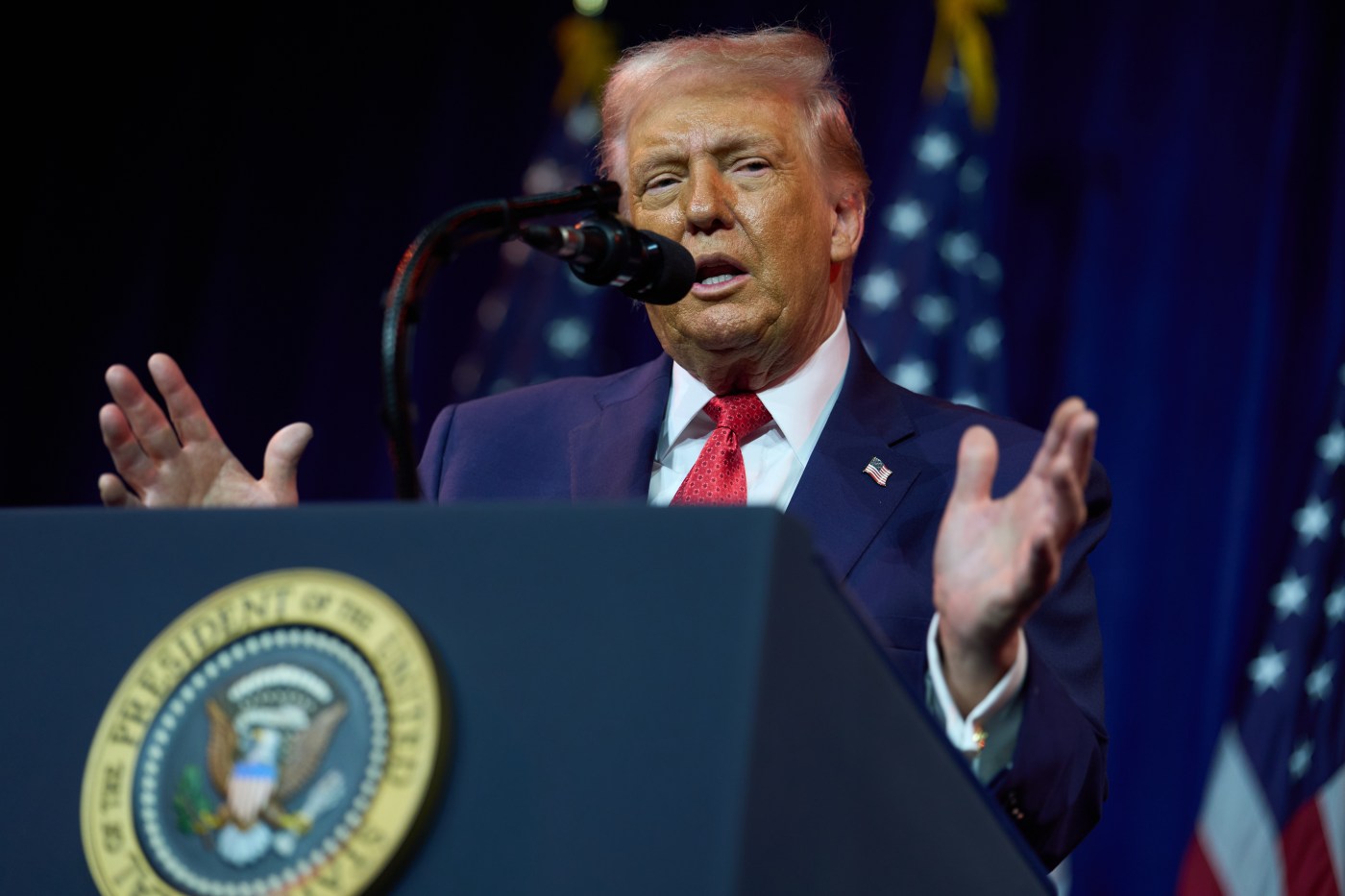
As the new year begins, former President Donald Trump is taking aim at social services that support millions of children and families in several states. He has proposed freezing $10 billion in aid disbursements primarily affecting the Temporary Assistance for Needy Families (TANF) food assistance program in New York, California, Illinois, Colorado, and Minnesota. This decision follows allegations of extensive fraud within Minnesota’s welfare system, where significant sums were reportedly claimed for services that were never rendered.
The issue of fraud in Minnesota has garnered national attention, particularly among right-wing commentators and supporters of Trump. Investigations revealed that certain entities exploited the welfare system, billing for billions in services that did not exist. While the seriousness of this fraud cannot be overlooked, critics argue that the response has been disproportionate and politically motivated, targeting states led by Democratic governors rather than addressing the systemic issues at hand.
It is essential to recognize that two facts can coexist: the fraud in Minnesota is significant, and the current political narrative may be using it as leverage against Democratic-led states. The majority of those implicated in the Minnesota fraud are reportedly Somali-Americans, a demographic that has faced scrutiny from Trump in the past. His previous comments regarding immigrants from “s-hole countries” have fueled concerns about the motivations behind this proposed aid freeze.
Multiple investigations into COVID-19 relief funds have identified potential fraud exceeding $1 trillion, affecting individuals across the political spectrum, including both supporters and opponents of the former president. The rapid distribution of funds during the pandemic led to gaps that allowed fraudulent claims to flourish, which is a challenge that requires thorough examination and rectification.
While it is crucial to address the fraud allegations, the potential impact of suspending aid is grave. Any interruption in funding could force families to make difficult choices between basic necessities such as food and housing. Children may struggle academically as a result of these financial pressures, compounding the challenges already faced by low-income families.
As of now, there has been no formal notification to the states targeted by Trump’s proposal. On his social media platform, the former president criticized the governors of these states, specifically calling out Tim Walz of Minnesota, as well as Gavin Newsom, JB Pritzker, and Kathy Hochul, claiming they have mismanaged their states.
Questions remain regarding the legality of Trump’s proposed freeze on aid. His previous actions have often faced legal challenges due to a lack of clear authority. Legal experts anticipate that this freeze will likely be contested in federal court, where it may be deemed unconstitutional. There is hope that such a ruling would include accountability measures for those within the federal bureaucracy responsible for implementing these cuts.
In conclusion, while addressing welfare fraud is essential, the potential consequences of Trump’s proposed aid freeze could have dire effects on vulnerable populations in several states. The situation continues to develop, and many are watching closely to see how it will unfold.