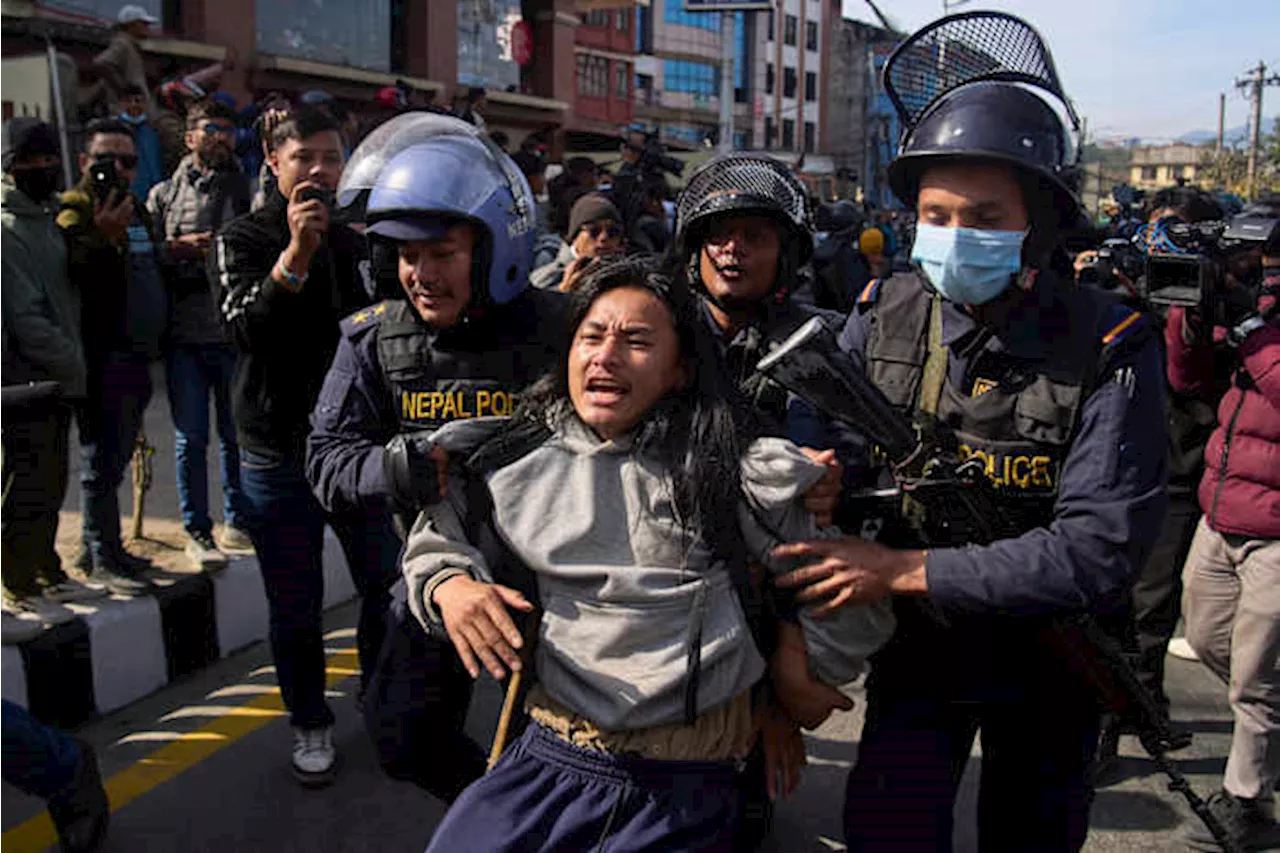
UPDATE: The protest movement in Nepal is escalating as demonstrators express outrage over the government’s failure to address key demands for change and accountability. Following a surge of protests that began in September, which resulted in 76 deaths and over 2,300 injuries, frustration is reaching a boiling point among activists who feel betrayed by the interim government appointed on September 12.
Protesters, mainly driven by Gen Z activists, are back on the streets demanding justice for the violence they faced, including a ban on social media and rampant corruption that sparked the initial unrest. Mukesh Awasti, a 22-year-old who lost his leg after being shot by security forces during the protests, lamented, “I regret my involvement—there’s been no real change or accountability.”
The urgency of the situation is heightened by the impending elections scheduled for March 5, 2024, where many politicians accused of corruption are expected to participate, further inflaming public anger. Demonstrators are demanding not only justice for victims but also the imprisonment of former leaders who failed to deliver on promises made during the protests.
The protests have shifted in focus, with various factions calling for diverse changes, including the direct election of prime ministers and constitutional revisions. However, the lack of cohesive leadership has made it challenging for the movement to maintain momentum. Suman Bohara, who walks with crutches due to an injury from the protests, emphasized the sense of betrayal felt by many, stating, “The government has not addressed our grievances or offered support to those affected.”
The interim government has pledged to ensure smooth elections, but analysts warn that the complicated security environment and unresolved issues present significant obstacles. As tensions remain high, the streets of Nepal serve as a battleground for those demanding accountability and justice.
Demonstrators are returning to the streets daily, fueled by a mix of anger and disappointment over the government’s inaction on key issues. This ongoing unrest reflects a critical juncture in Nepal’s political landscape, with the upcoming elections poised to either exacerbate or alleviate the current tensions.
The protesters’ voices echo a deep-seated demand for change, and as the situation develops, the world watches closely. The path ahead is fraught with challenges, but the resolve of the people remains strong. This story is still unfolding, and the stakes could not be higher for the future of Nepal.